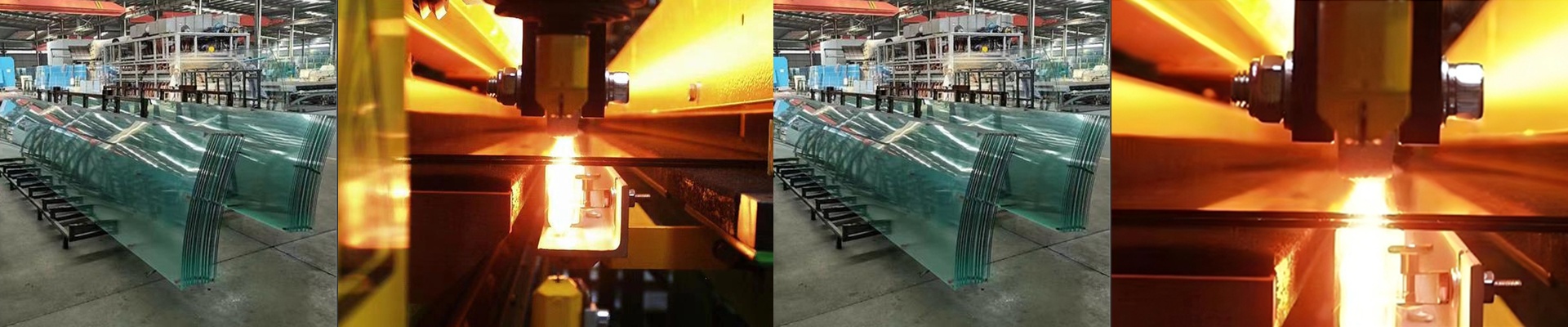
Out on the line, glass waits for heat, and heat doesn’t wait for anyone. A tempering furnace that climbs slow, or a bending oven that drifts even a couple degrees, can turn a profitable run into scrap, rework, and blown delivery windows. We built our oven heaters around one simple idea: predictable heat, under production pressure.
What matters under the hood
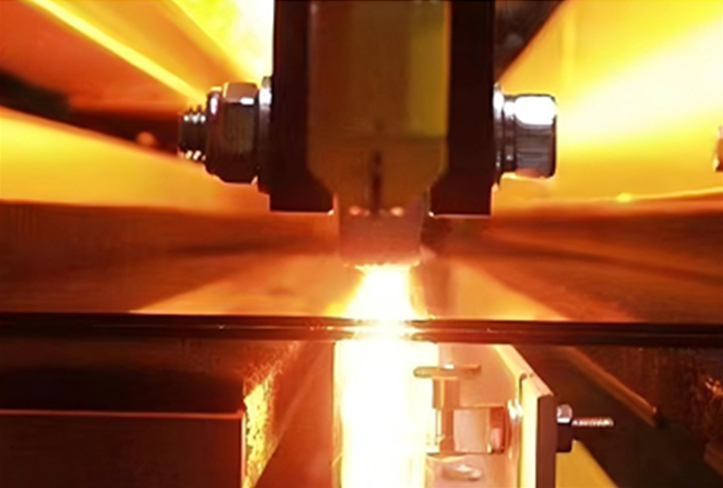
We use quartz short-wave infrared heaters, tuned for the temperature window you actually run in tempering and bending. Ramp rate hits up to 12°C/s, so the oven snaps back after a cold load and cycle time stays tight. Across the heating zone, uniformity holds within ±2°C—less thermal stress, fewer optical distortions. Power density is engineered to 30–40 kW/m². That’s enough flux to push through coatings and thicker glass stacks without hot spots. The heaters come in 240 V or 480 V configurations, with standard terminal housings and mounting options that make a drop-in replacement straightforward.
Why this matters where the glass meets the heat
In tempering and bending, the oven isn’t just heating—it’s setting the stress profile and the shape. Fast, even heat keeps the furnace on schedule, cuts glass breakage from thermal shock, and helps you hold bow and warp consistently. For lamination prep and coating drying, the same controlled flux keeps solvent traps out and improves adhesion repeatability. The payoff is simple: fewer off-spec sheets, less scrap, and a line that runs the speed it was designed for.
The practical details that bite you if you ignore them
These heaters care about clean mounting and proper clearance. Surface temperature is high, so shielding and guarding are mandatory around operator areas. For the best uniformity, pair the heaters with verified airflow and zone control that accounts for emissivity. They’ll fit most oven frames, but confirm lead lengths and terminal geometry before changeover. That one step saves you a lot of field tweaking.