


Why Your Bathroom Heater Actually Works
Most people just think of those infrared lamps as a way to stay warm while stepping out of the shower. But if you look under the hood, it’s actually about fighting a war against moisture. We aren’t just warming up the air. We’re hunting down the dampness hiding in your tiles and grout to stop mold before it even starts.
The Secret is in the Wave
We don’t just pick any heat source. We use short-wave infrared because it actually sinks into the surfaces. Think of it like this: when those waves hit a damp wall, they shake up the water molecules. This forces the moisture out of the walls and into the air, where your fan can just whisk it away. It’s a much smarter way to dry out a room than just blowing hot air around.
Why Quartz Matters
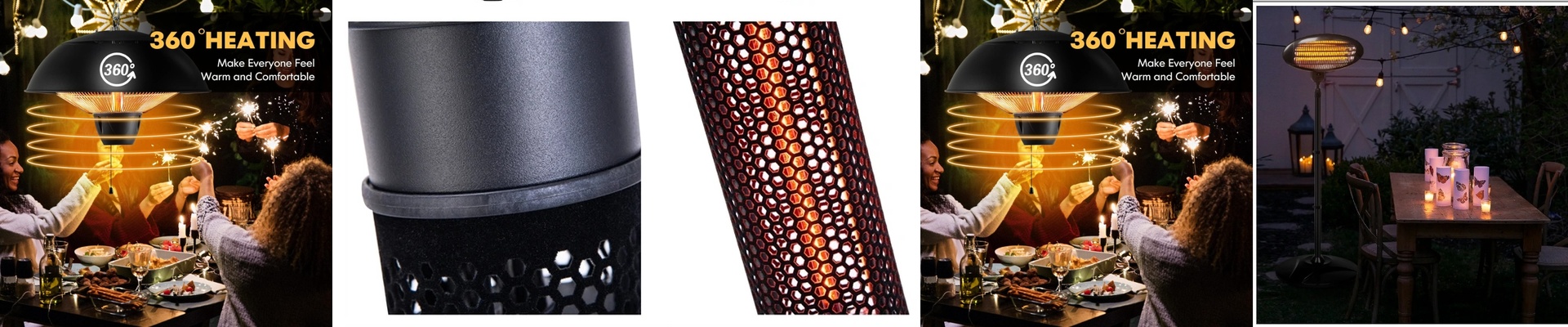
To keep that heat consistent, we use high-purity quartz tubes. Usually, a lamp between 250W and 600W does the trick. It keeps the walls warm enough that condensation never gets a chance to settle. No condensation, no dampness. And if it’s not damp, mold spores have nowhere to live. One quick tip: make sure your wiring can handle the initial surge. These things hit full blast almost the second you flip the switch.
Finding the Sweet Spot
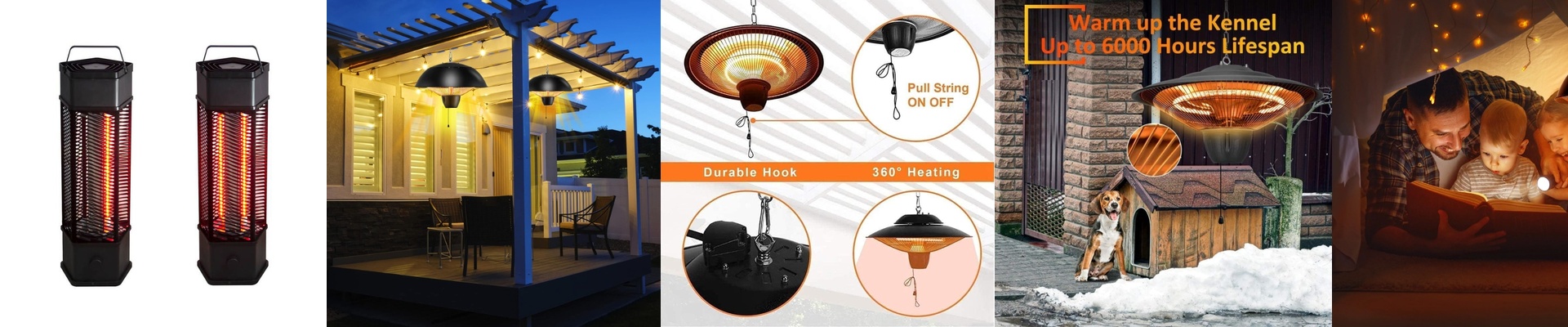
Here’s the tricky part: the more power you throw at the mold, the hotter it feels on your skin. Nobody wants to feel like they’re being grilled while brushing their teeth. To fix this, we play around with the angle of the reflector. If we have to crank up the wattage to deal with a really humid bathroom, we just mount the fixture higher in the ceiling. You get the drying power you need without the “hot spot” feeling. At the end of the day, it’s pretty simple. You take away the water, and the mold disappears. Physics does the hard work for you.