
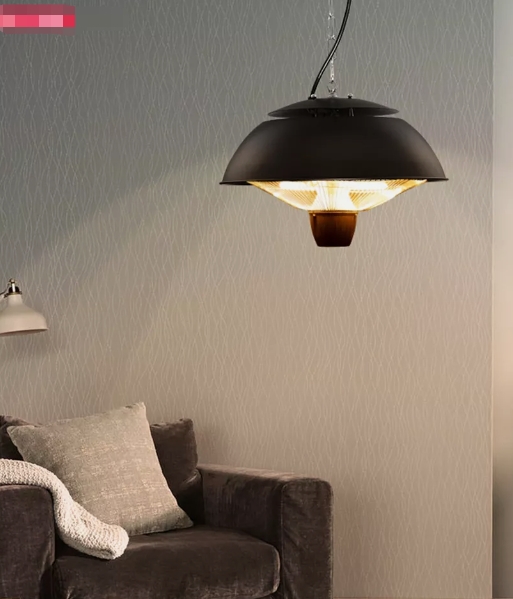
Beyond Just Making Things Hot: Why Far Infrared Heaters Are a Different Beast
Let’s cut through the noise. We build far infrared heaters for engineers who need to control heat, not just crank it up and hope for the best. This isn’t about warming up the whole room. It’s about putting the heat exactly where you need it, when you need it. The kind of heating solution that just keeps showing up, day after day, in the toughest industrial environments.
Getting into the Details: Power, Voltage, and Size
These heaters are born for the factory floor, not your living room. We’re talking serious industrial muscle. A typical setup runs at 400V and pulls a lot of power to hit the heat density that heavy-duty work demands. And the size? It’s compact. Think about a unit around 300mm long that can squeeze into tight machine spaces without dropping the ball on output. That high voltage packed into a small frame means you get a ton of heat in a tiny footprint. But here’s the reality check: packing that much energy into a short tube means the surrounding equipment is going to feel it. Plan your cooling and clearances. It’s just common sense.
The Heart of the Matter: The Element’s Design
The heating element itself is a halogen-filled quartz tube, built to handle the stress of rapid heating and cooling. We coat the quartz with something special that shifts the energy into the far infrared band. Why does that matter? Because it means the target material soaks up the energy directly. You’re not wasting power heating up the air. And the connector? We chose an R7s base for a reason. It’s a solid, two-point contact that handles high current and vibration without sparking. It’s simple, tough, and it installs in a flash. Once it’s in, it stays put.
What This Means for You on the Shop Floor
Out in the real world, this setup means faster heat-up times, tighter control over temperature, and an output you can count on. The far infrared spectrum zeroes in on materials like plastics, coatings, and composites. That focus leads to more consistent, repeatable processes. Installation is a breeze, too. The R7s base is a standard interface, so it’s a straightforward drop-in replacement for what you already have. We built these heaters to be workhorses. They’ll keep performing, cycle after cycle, but they do need proper thermal management. Spec out your heat shielding and airflow, and you’ve got a reliable heating solution that performs exactly where it counts. It’s all about focused energy, delivered exactly on spec.