
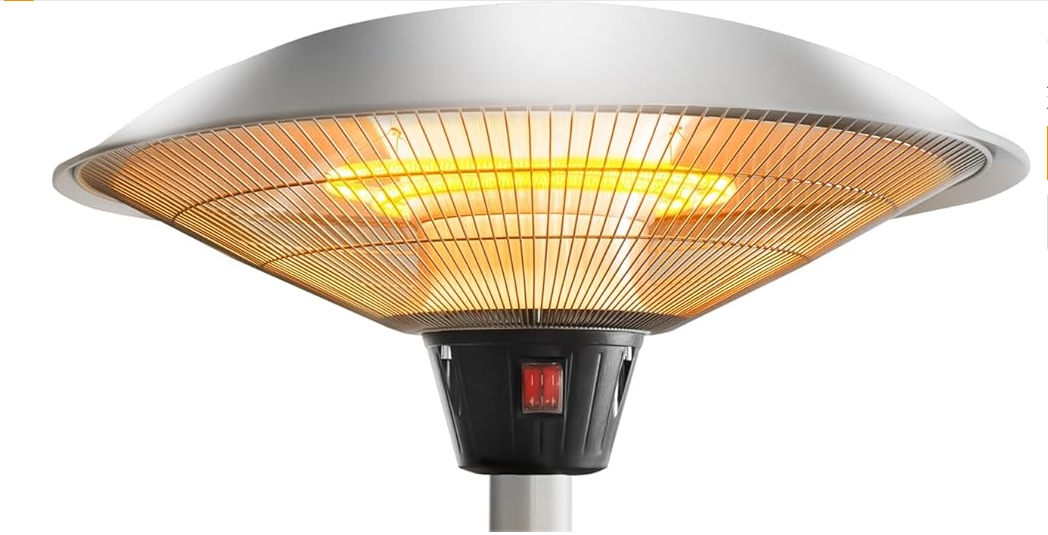
Why We’re Switching to High-IP Infrared Heaters
Let’s talk bathrooms. Specifically, the kind of bathroom where the air is thick with steam and you need heat you can actually count on. We built our infrared heaters for places like that—where moisture is just part of the day and reliability isn’t optional. If you’re renovating, ditching the old-school lamp heaters makes sense. It’s about physics, sure, but more than that, it’s about protection. A high waterproof-grade infrared unit just takes the abuse—steam, direct water, sudden temperature swings—and keeps going.
Power, Voltage, and a Design That Fits
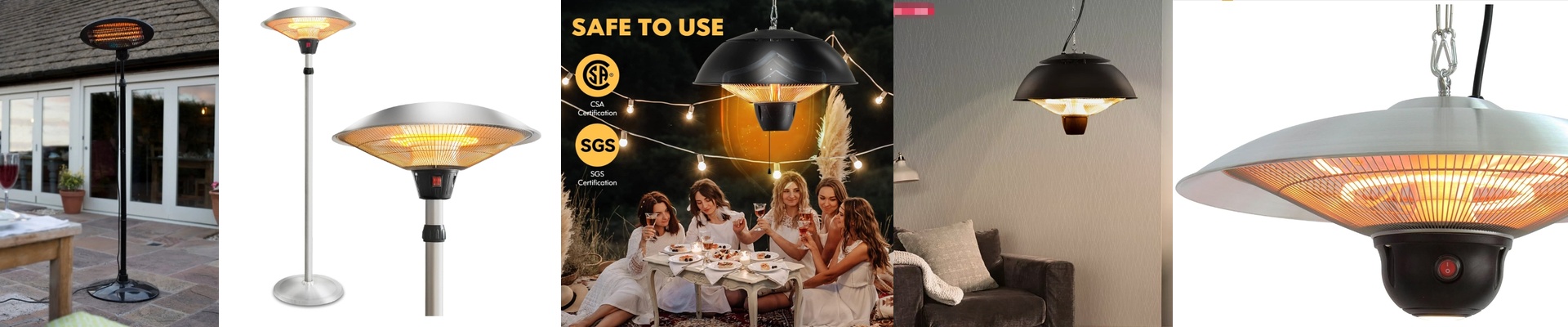
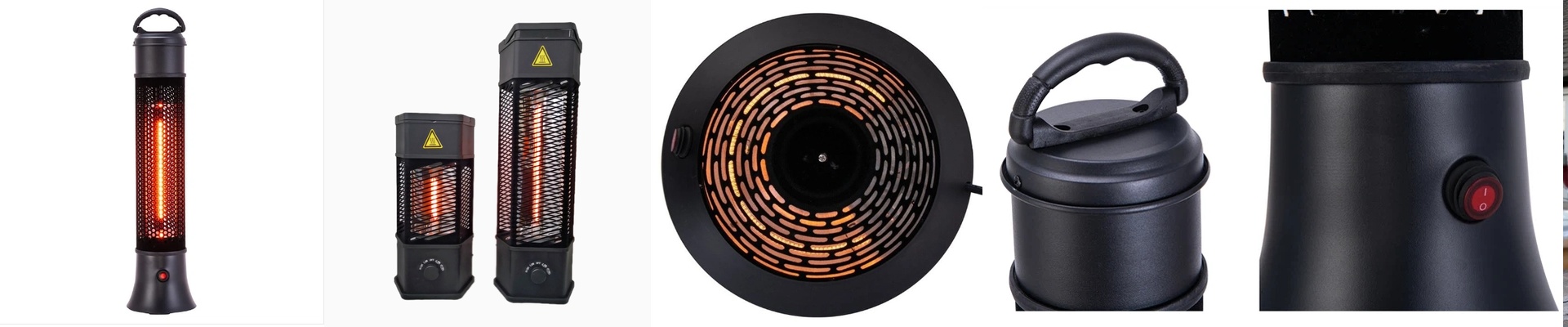
Under the hood, we’re using high-density quartz infrared elements. They’re spec’d for 220–240V and sized to match the room’s real thermal needs. And the footprint? It’s compact. That means you can drop it in tight ceilings or tucked-away alcoves, recessed or surface-mounted. You get fast heat-up because of the high wattage density, which feels great when you step out of the shower. But it also means you need to plan your wiring and overcurrent protection from the start. Do that part right, and the heater just does its job—quietly and consistently.
What It’s Built From—and Why It Matters
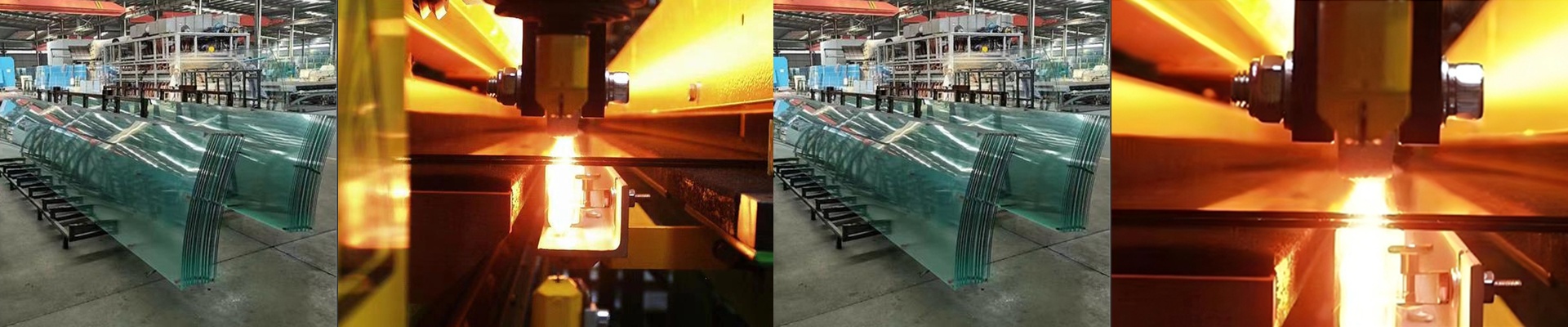
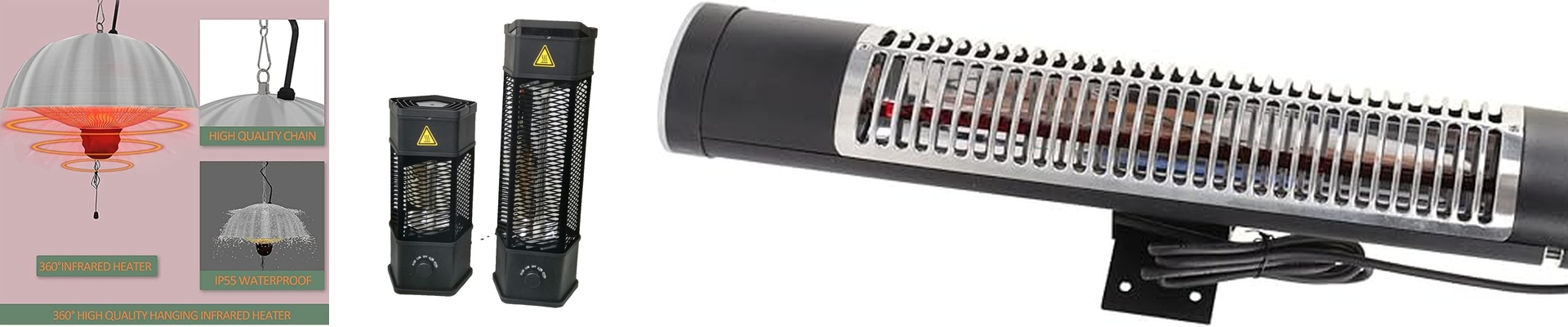
The core is a quartz tube, chosen because it handles sudden temperature changes without cracking, and it gives you steady output. Then there’s a specialized coating that keeps surface temps in check and cuts down on hot spots. That matters because it helps the element last longer—no early fatigue, no surprise failures. The connectors are built for high heat and vibration, so they stay solid even when things expand, contract, and shake a little over time. And the waterproof housing? It’s IP-rated to keep water out and the electrical parts dry, no matter how steamy it gets.
The Bathroom Renovation Win
When you’re upgrading a bathroom, you want heat that’s quick to install, tough on steam, and low-maintenance. That’s exactly what our IP-rated infrared heaters deliver. They warm what’s in front of them—no need to heat the whole air—so you use less energy and you get fewer cold, wet surfaces that sweat up with condensation. If you’re swapping out an older lamp-style system, this is a clean drop-in upgrade with better heat control and a longer service life. A couple of practical notes: because the heat is denser, you need adequate ventilation and thoughtful placement so nearby materials don’t get too hot. Spec the room load, make sure the IP rating matches the zone, and wire it to code. Do that, and you’ll feel the difference the first time you step into a warm, dry bathroom.