
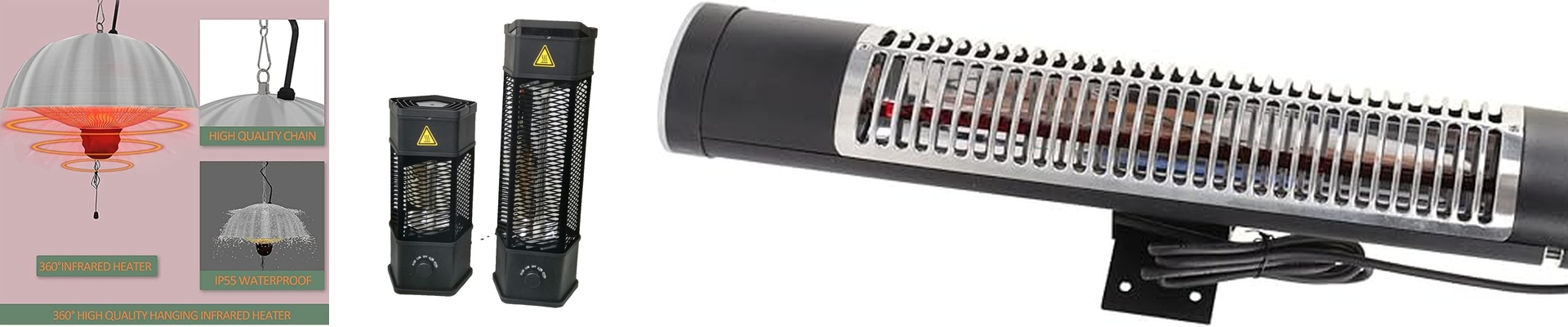
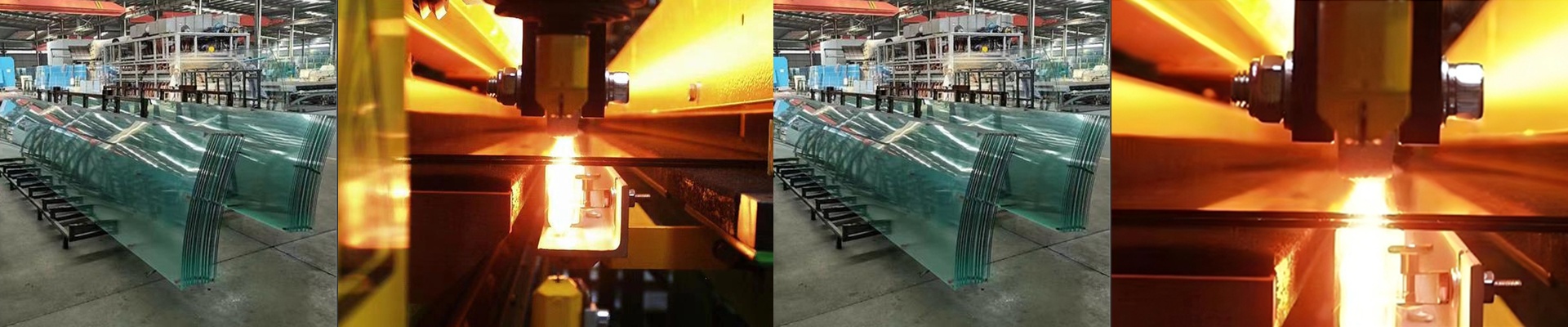
Cutting ultra-thick glass is brutal on your equipment. If you try to score it cold, your cutting wheels take a beating and wear out way too fast. It’s basically a fight between the blade and the glass, and the blade always loses. We found a better way. Instead of forcing it, we use high-penetration infrared (IR) lamps and aluminum reflectors to soften the glass right before the blade hits. Here’s the thing about thick glass: standard heat just doesn’t soak in. It sits on the surface. To actually get inside the material, you need shortwave IR radiation. This dives deep into the glass, relaxing the molecular structure and lowering the surface tension. Suddenly, the blade isn’t fighting the material anymore. It just glides. Your consumables last longer because they aren’t being ground down to nothing. But an IR lamp on its own is kind of a waste—it throws heat in every direction. That’s why we use polished aluminum reflectors. They catch that wasted energy and bounce it back, focusing the heat into a tight, precise line. This is key. You don’t want to heat the whole plate—that’s a recipe for thermal shock and random cracks. You only want the heat exactly where the cut is happening. Of course, it’s a bit of a balancing act. If you just crank up the wattage to speed things up, you end up with a “heat-affected zone” that’s too wide. That’s how you get jagged edges or annoying chips. You have to get the lamp distance and the reflector angle just right to match your line speed. If your conveyor picks up the pace, you’ll need a lamp with higher power density to keep that interface at the right temperature. It takes a little tweaking, but once it’s dialed in, it just works.