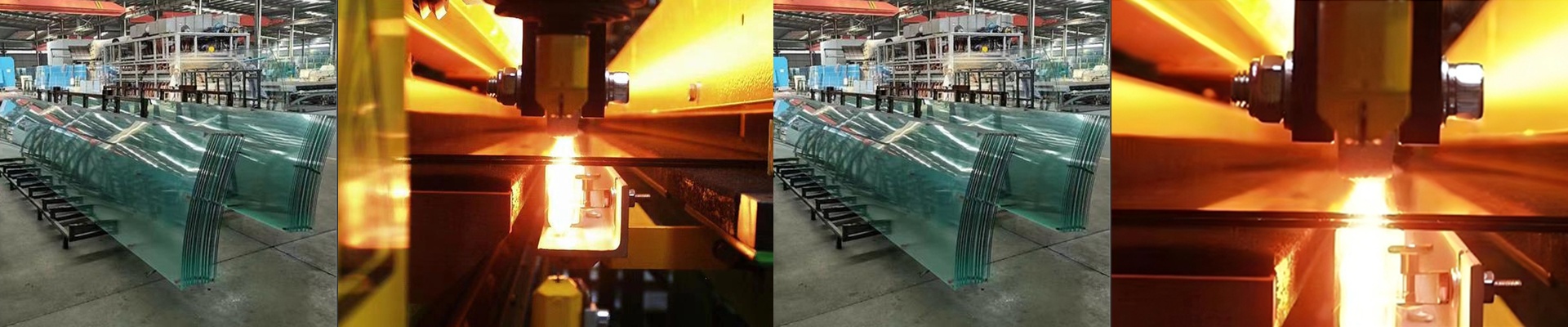
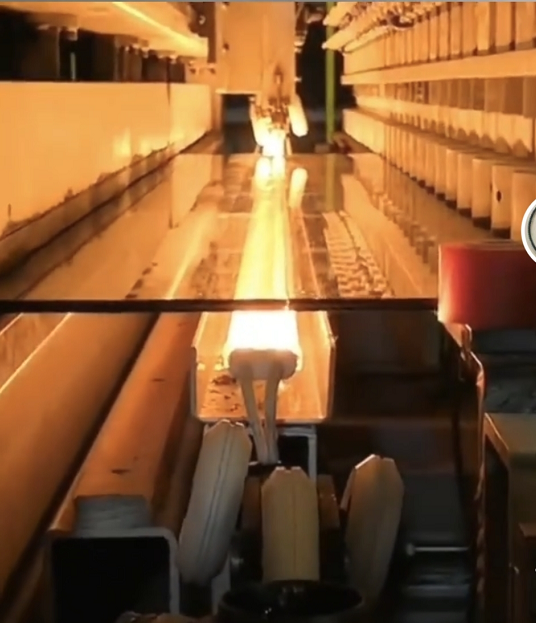
Out on the line, borosilicate doesn’t forgive uneven heat. A sloppy thermal profile shows up fast—optical distortion, stress fractures after forming, and rework that eats time in annealing and lamination. We built this infrared lamp for borosilicate to stop that waste before it starts. It hits the absorption band of borosilicate with fast, controlled energy, so you cut cycle time without letting thermal stress run wild. What’s actually under the hood We run short-wave infrared emitters in quartz envelopes, chosen for snap response and stable output. The lamp covers 230–460 V, with power densities matched to your process—typically 2–6 kW per module—and a compact hot zone that drops into existing frames. Focused irradiance heats the surface first, which cuts convection drift and keeps coatings out of trouble. Output stays repeatable over long runs; we’ve got units that hit 5,000+ hours with under 5% drop. Here is why it behaves on real processes. In tempering, the ramp is quick and even across the sheet, so quenching gives consistent surface compression and predictable fragmentation. On bending, the temperature front follows the mold, which reduces spring-back and tames edge roll. In annealing, a steady, controllable soak strips out thermal stress without overshoot, and optical clarity improves. For insulating glass sealing, localized heat speeds the primary seal while leaving desiccant performance alone. Energy use drops because you’re heating the glass, not the air around it. A few practical notes that save headaches later. Mounting and alignment matter—more than people think. Clearance to the glass and reflector geometry have to match the fixture; otherwise you’ll see hot spots and cold edges. Warm-up to full output is fast, but plan for closed-loop temperature control to handle line voltage swings. Keep the lamp and reflector clean, and match the spectral output to the glass emissivity. This isn’t plug-and-play everywhere, but it is repeatable when you install it with care.