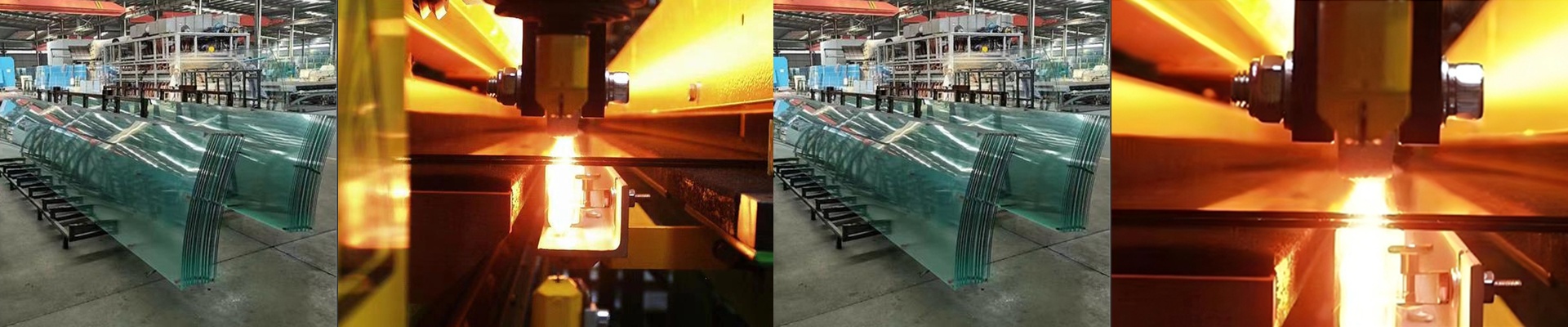
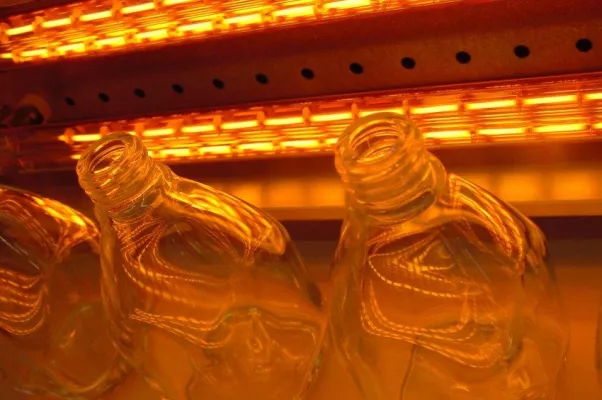
On the solar glass line, the dryer isn’t a nice-to-have. It’s the gatekeeper. The moment the coating hits the applicator, the clock starts ticking. Under-dry leaves resin that never fully cures. It grabs dust and then delaminates later. Over-dry pushes thermal stress into the substrate, and the next heat cycle can crack it. You need heat that arrives fast, stays flat, and repeats shift after shift. What we build into it We set the solar glass coating dryer on short-wave NIR quartz emitters. They throw high radiant density with sub-second response, so the coating hits target temperature quickly without cooking the glass bulk. The system is laid out to keep the thermal field uniform across the full width of the glass. That cuts hot and cold bands that otherwise give you uneven cure and bow. The module is rated for 230–460 V, drops into standard mounting footprints, and ties into existing conveyor and PLC controls. After thousands of hours, output stays stable, and maintenance stops stay minimal. Why it holds up in production On the line, speed and quality are the same thing. This dryer shrinks the drying window, so you can run higher meters per minute without losing cure depth. That means more throughput and less scrap from edge stress, haze, and adhesion failure. Energy use drops because NIR heats the coating directly, not the air. It keeps pace with tempering, bending, and lamination schedules, without hammering the glass with thermal shock. What to watch for NIR drying is line-of-sight, so glass geometry and spacing matter. Patterned or textured coatings can throw localized shadows. We size the emitter layout and intensity to compensate, but the line has to hold consistent glass position. The module works with most OEM frames, but alignment and thermal setpoints need tuning to your coating chemistry and glass thickness. Plan a short commissioning run to lock in the profile.