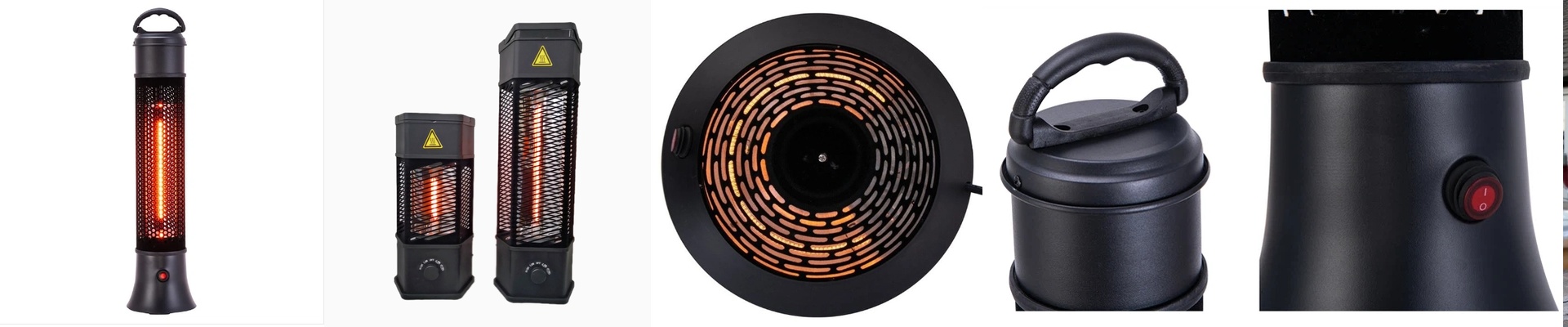
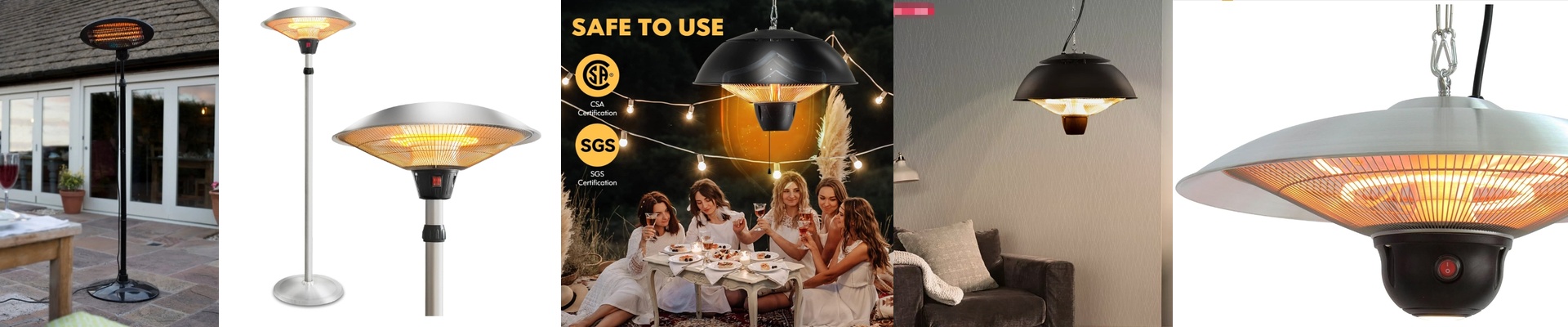
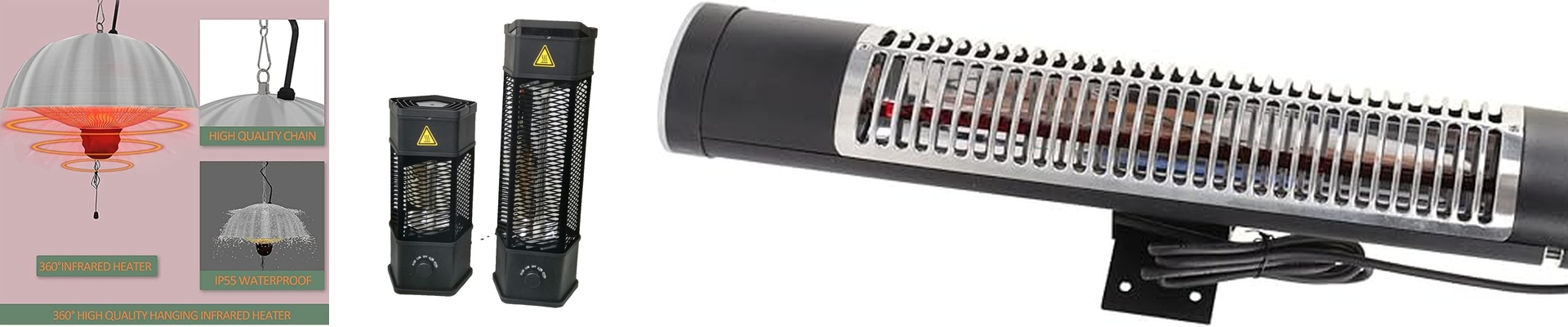
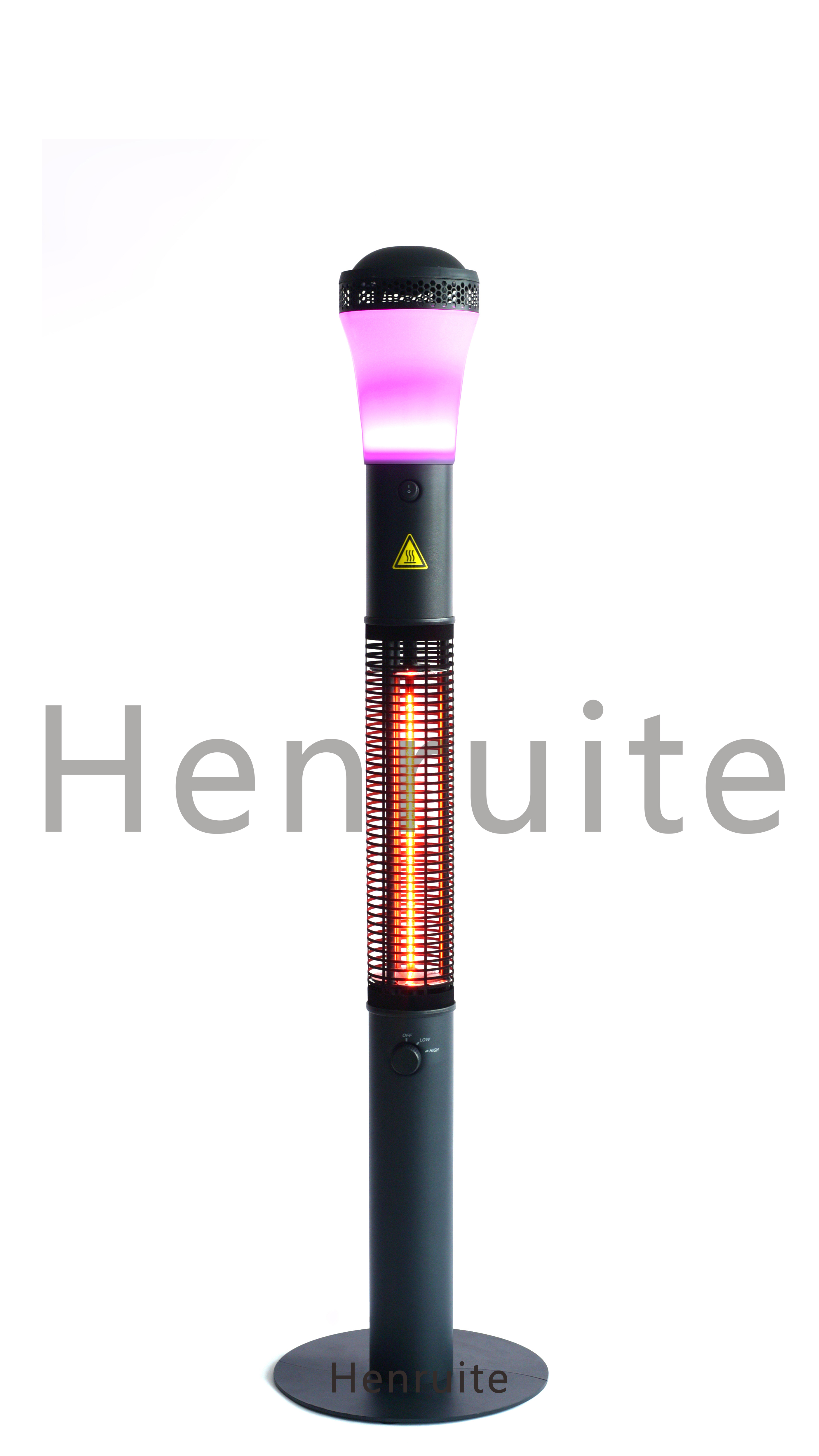
When a cold front hits, the greenhouse doesn’t care about your schedule. Seedlings, cuttings, and tender perennials feel the drop right away. A conventional heater spends ages warming air that may never reach the plants. With an infrared electric heater, the moment changes. Flip the switch, and the heat shows up almost immediately.
What’s really going on, technically
Greenhouse infrared electric heaters run on radiant heat. They send energy outward, the way the sun warms surfaces—just without the UV. We lean on a carbon fiber element or a quartz tube because they come up to temperature fast and stay quiet. That translates to a snappy thermal response that settles in seconds, not tens of minutes. In the real world, that means less time stuck in a chilly band where condensation builds and disease pressure climbs.
Why this approach fits a greenhouse
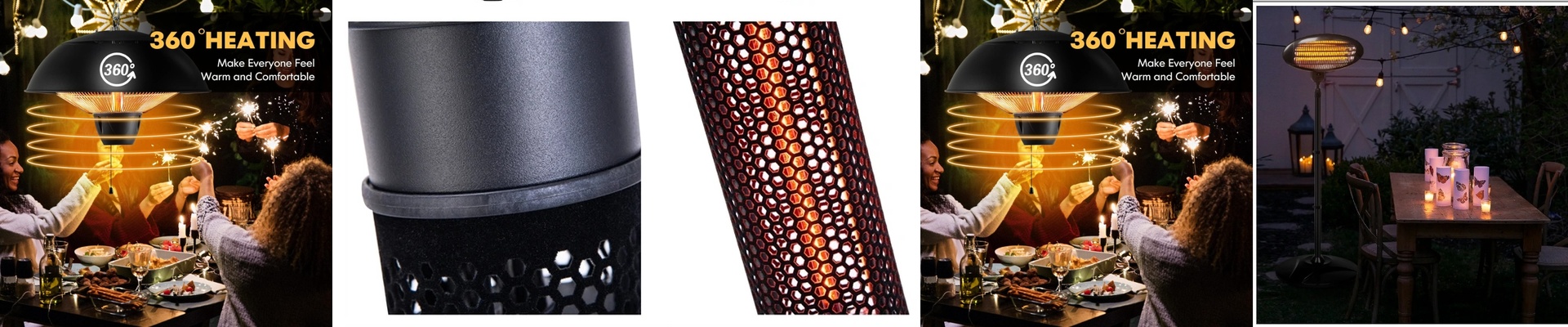
In a greenhouse, the target is keeping plant tissue warm, not just nudging the air temperature up. Infrared warmth hits leaves, stems, and the soil surface, which helps steady plant metabolism when the temperature takes a sudden dive. The quick reaction also lets you run shorter heating cycles, which can cut energy use compared with systems that keep reheating cold air. You end up with a more stable microclimate, fewer cold-stress events, and a straightforward way to protect the plants you’ve already put time into.
The details that matter
Infrared heat is directional, so placement is everything. Aim the heater to cover the main bench and watch out for shadows from shelves. Plan for a dedicated outlet and verify local electrical requirements—many units are 120V, but higher-output models can require 240V and a hardwired connection. For comfort and control, pair the heater with a thermostat and pick a model rated for damp environments. In humid greenhouses, an IP rating for moisture resistance is a practical safeguard.