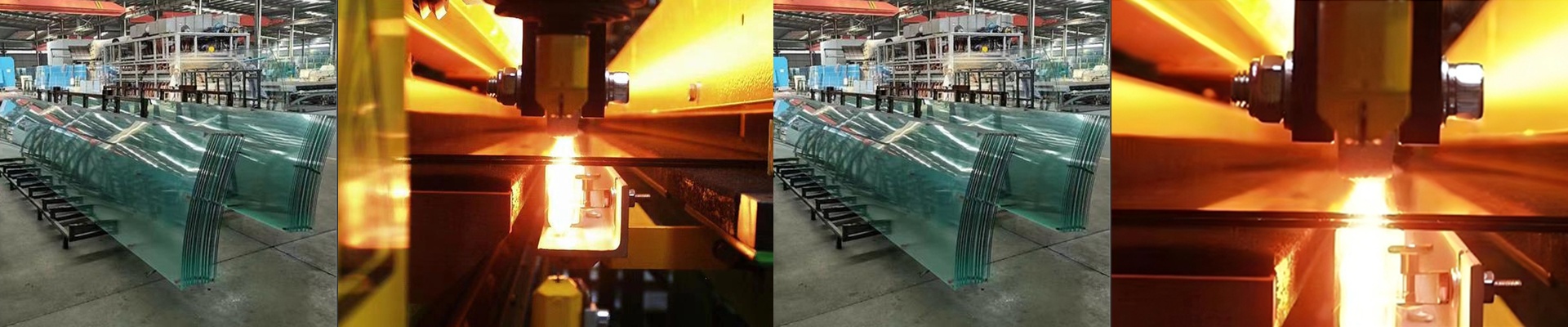
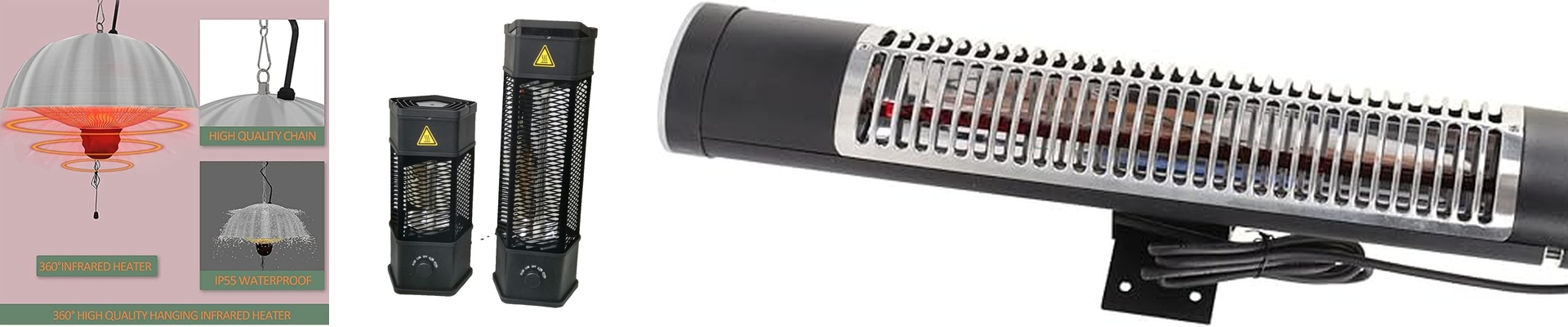
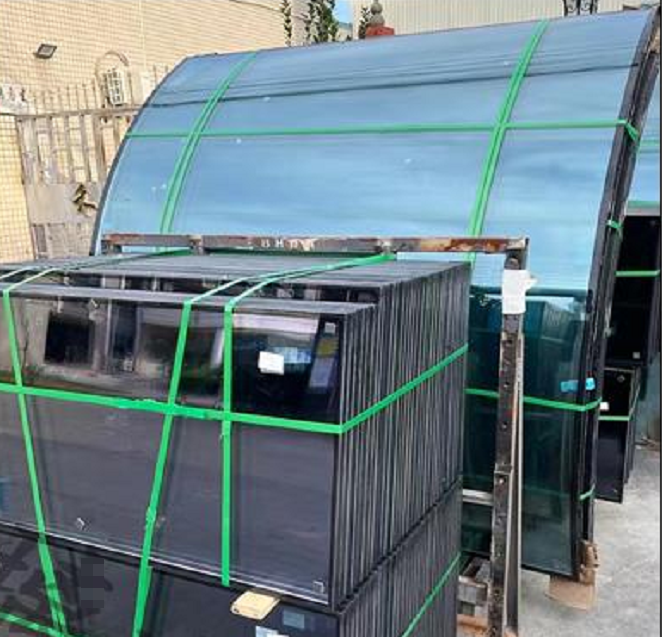
On the insulating glass line, the sealant cure profile is the make-or-break bottleneck. When convection ovens stretch out dwell time, you bleed throughput and risk incomplete cross-linking. Unevenly cured Silicone beads? You’re inviting adhesion failures, moisture ingress, and the kind of callbacks that hit the bottom line. We built our infrared silicone curing modules to hit the exact thermal profile silicone sealants need—without heating the frame or the air around it. The technical core is straightforward. Short-wave quartz infrared emitters dump energy directly into the silicone bead. Peak wavelengths are tuned to the emissivity of curing silicone, not the glass, so the heat lands where it matters. Modular heaters run at industrial power, with tight zone control and repeatable temperature uniformity along the seal path. That gives you a predictable thermal ramp and consistent cross-linking, while the aluminum spacer and glass stay cooler. The payoff: less thermal stress on coated or tempered lites, and a sealant bead that holds its geometry. On the floor, it shows up as measurable gains. Insulating glass sealing runs faster because cure time drops from minutes to seconds, and the bead hits full adhesion and cohesion without scorching the edge. Energy use falls, because infrared heats the target, not the whole chamber. After thousands of cycles, output stays stable, and you see fewer rejects tied to uneven cure, bubbles, or weak beads. For tempered or coated products, it also helps manage thermal history. That supports better stress relief during annealing and lowers the risk of edge fracture. A practical heads-up: infrared curing needs line-of-sight and precise positioning. Set the emitter-to-bead distance and dwell time—then lock it in. Commissioning is short: tune the profile to your silicone formulation and bead geometry. Once it’s dialed, the process is repeatable. Just keep disciplined on maintenance—emitter cleanliness and alignment matter.