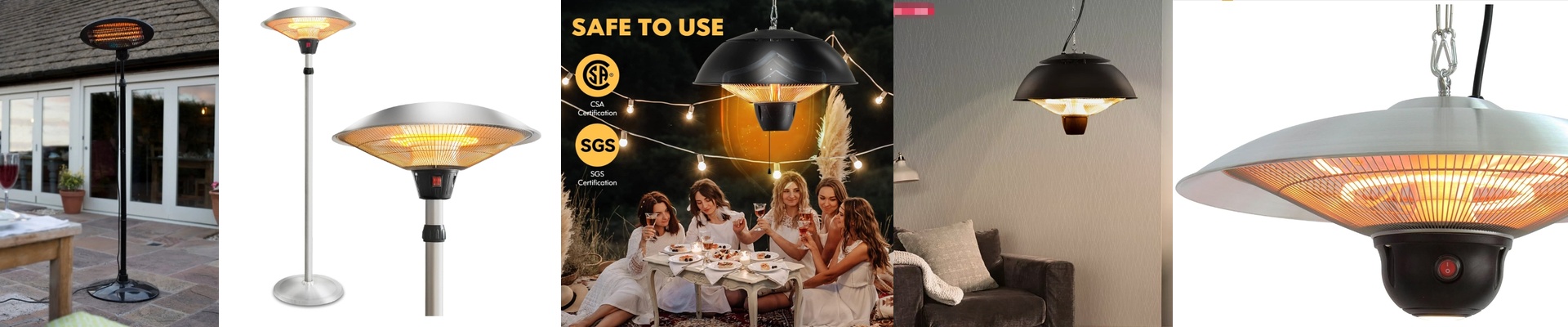
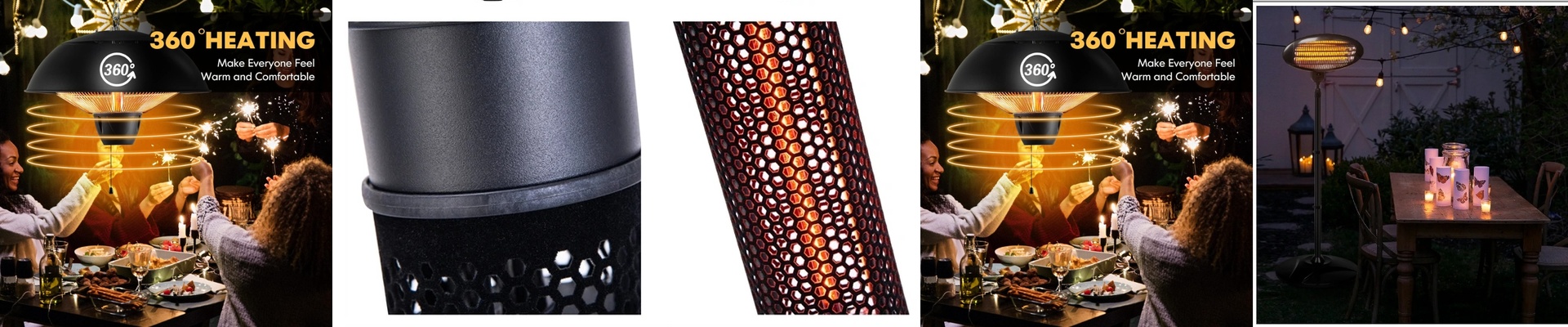
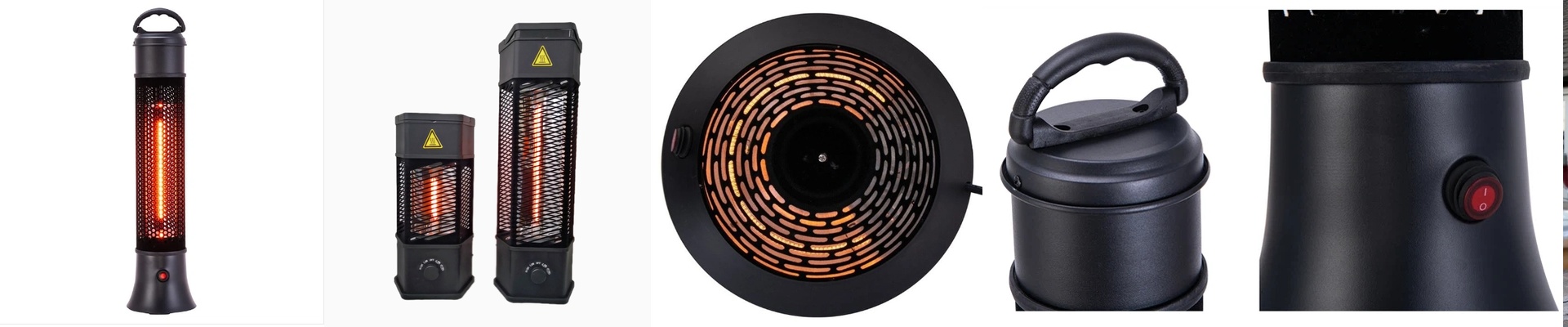
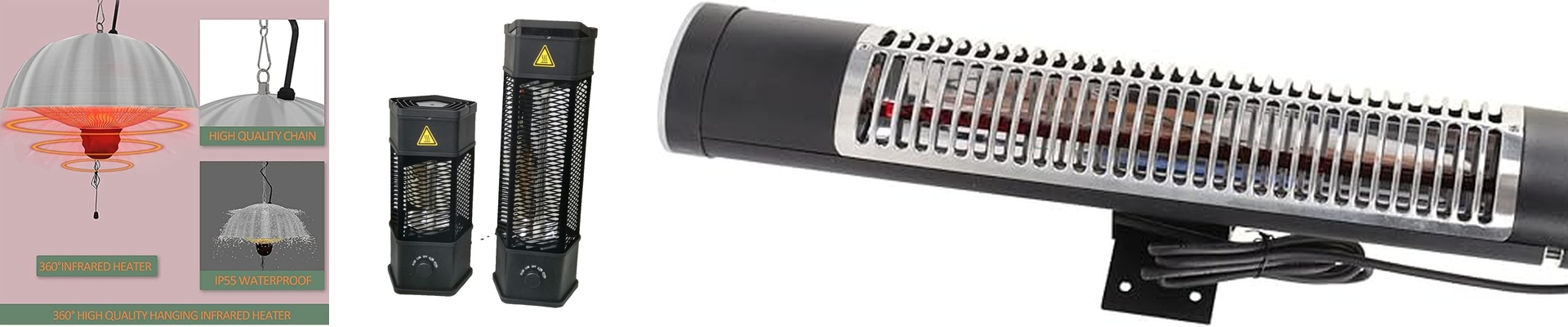
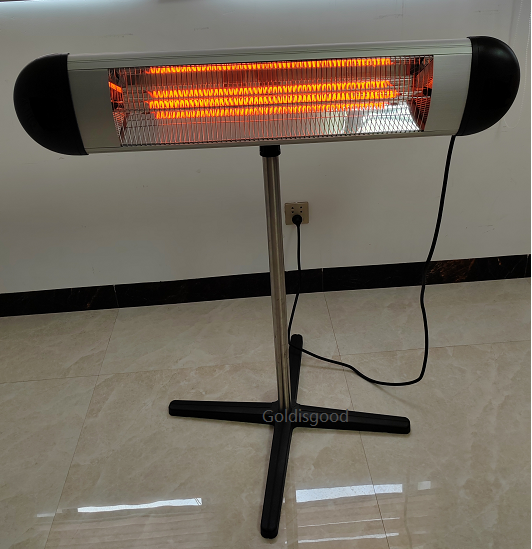
The outdoor heating market is crowded, and plenty of options promise warmth but deliver headaches. If you’re sourcing for a workshop, a covered patio, or a commercial seating area, one detail makes the difference between dependable comfort and costly downtime: a genuine CE-approved electric heater. What matters, under the hood We build our infrared electric heaters around a carbon fiber element that delivers radiant warmth. It heats people and objects directly, instead of wasting energy trying to warm the air. Pair that with a quartz tube, and you get fast warm-up, even coverage, and quiet operation. The unit runs on standard voltage, pulls a predictable current, and it’s fitted with a tip-over switch and overheat protection. CE marking means the design meets EU safety, health, and environmental protection requirements—including EMC and low-voltage directives—and comes with traceable documentation and testing. Why this matters in the field In day-to-day use, that certification translates into confidence you can actually feel. The heater switches on and delivers steady infrared warmth within seconds, so guests or workers don’t have to wait around. Because the heat is directional, floors stay drier and drafts are minimized. The sealed elements also handle moisture far better than open coils. For you, that means fewer service calls, lower energy use during long hours, and a consistent experience when the weather turns. A few practical notes Infrared warmth is most effective when it’s aimed at occupied zones, so plan for targeted placement and get the mounting height right. This heater is designed for covered outdoor areas and should be protected from direct rain—an IP rating helps, but it isn’t a substitute for shelter. And yes, the radiant output is strong, but it won’t heat empty air far away. Pair it with a thermostat or timer to match comfort to occupancy and keep running costs in line.