
Basements have a funny way of turning comfort into a problem. The air turns clammy, the walls feel cold, and a standard heater often can’t cut through the damp. What you need isn’t just heat—it’s a solution that dries the space while it warms it.
What Matters Technically
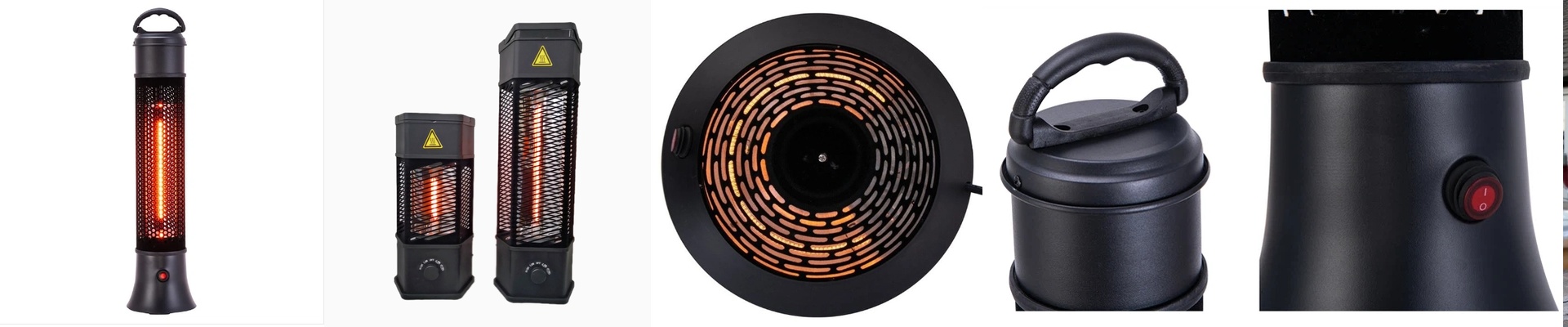
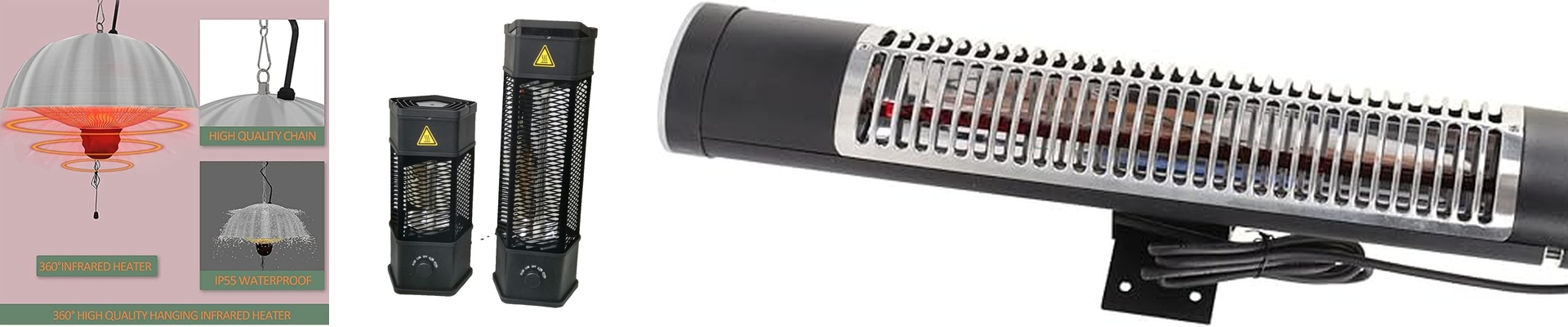
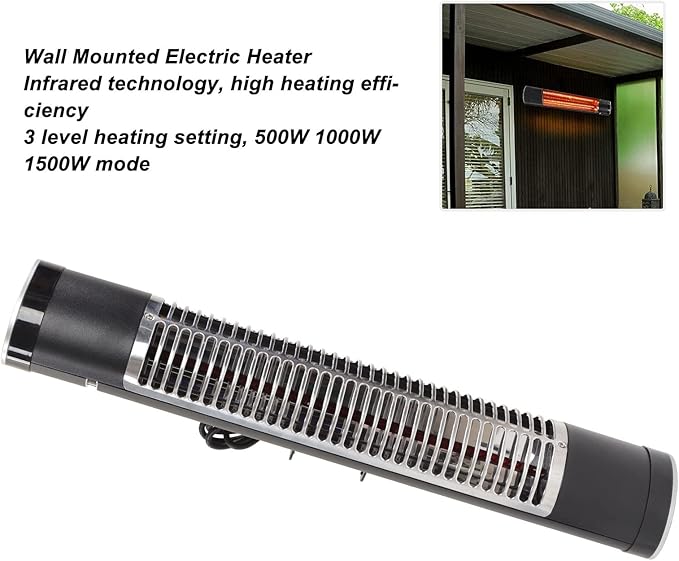
We built this low-power wall-mounted infrared heater around a direct radiant approach. The core uses a high-efficiency quartz element that delivers fast-heating infrared warmth, warming people and surfaces directly instead of wasting energy heating the air. Specs were chosen for basement practicality: low wattage draw keeps running costs down, a slim profile preserves floor space, and a hard-wired connection means stable, long-term operation. You get heat you feel within seconds of turning it on, with minimal impact on household energy use.
Why It Works Here
In a damp basement, conventional convection heat can feel slow and ineffective, and the dry air it creates often feels harsh. Infrared changes the feel of the room. The warmth radiates outward, gently raising surface temperatures—floors, walls, furniture—so the space stops feeling cold from the inside out. At the same time, the steady warmth helps reduce relative humidity by encouraging evaporation. That’s why people notice the air feels drier and less musty. For you, it translates to fewer chilly hours, less discomfort, and a basement that finally feels usable.
Things to Know
Because infrared heats objects directly, comfort is immediate, but the overall air temperature may not climb as fast as with a fan-forced heater. Plan the mounting location to aim warmth where you actually spend time, and keep clearances clear for airflow and safety. The unit is designed for dry indoor locations. It handles typical basement humidity, but it isn’t rated for flood-prone or fully exposed wet areas. If your basement has persistent water intrusion, pair the heater with proper waterproofing for the best long-term results.