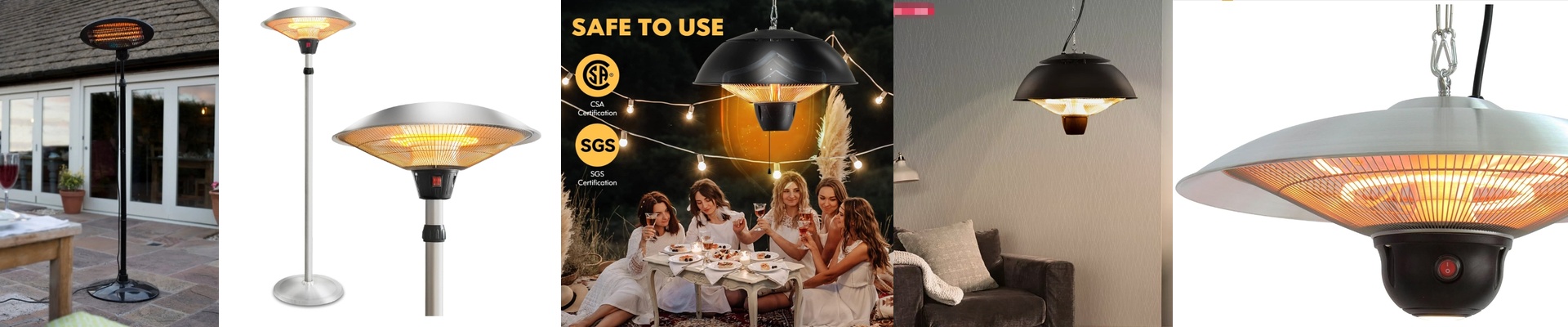
In a spa or salon gazebo, comfort isn’t a nice-to-have—it’s part of the service. The moment the air drops, clients tighten up, robes feel clammy, and the session loses its easy rhythm. A heater that can’t keep up forces you to cut appointments short or crank the ambient temperature, which wastes energy and leaves warmth uneven.
What matters under the hood
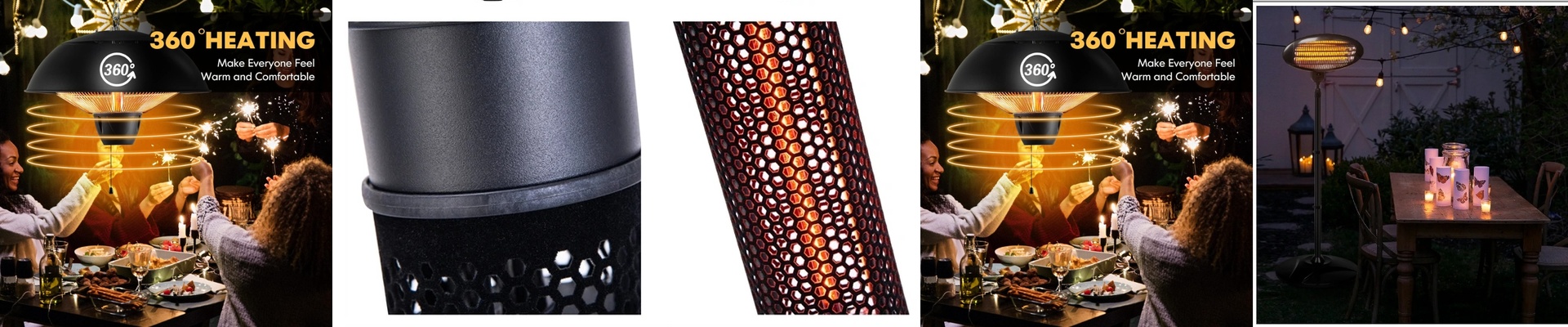
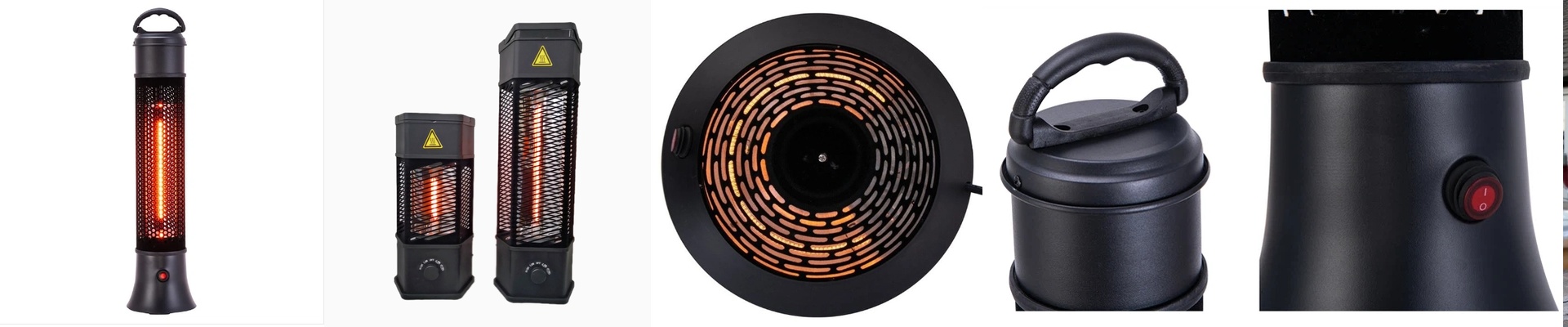
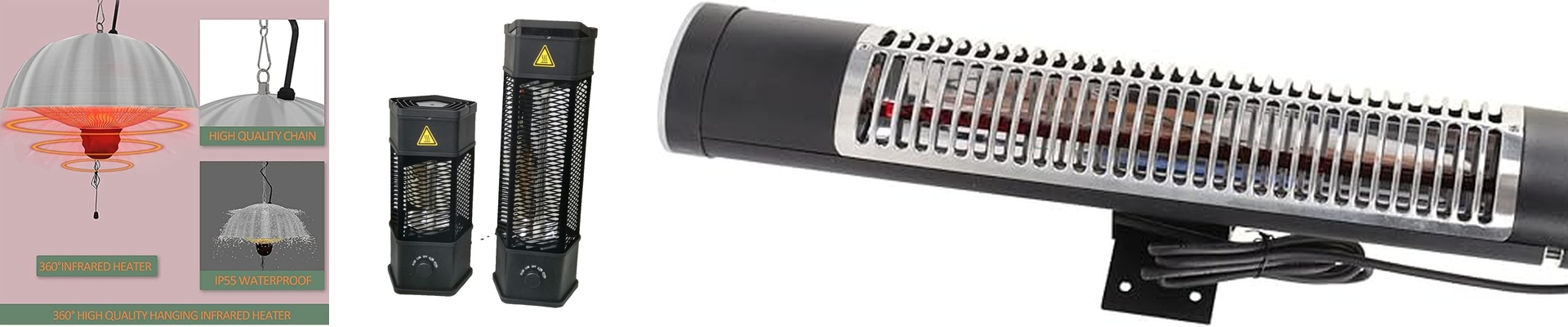
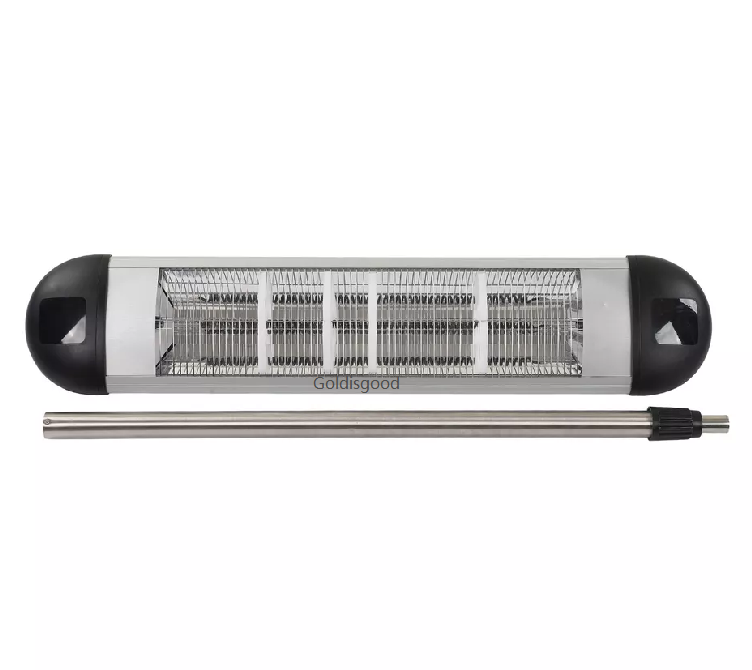
We built this gazebo heater around short-wave infrared quartz technology. It delivers radiant heat that warms people and objects directly, instead of fighting to heat empty air. The 1.5 kW output is matched to sheltered, semi-outdoor spaces: enough punch to bring comfort back fast, without the noise and draft you get from forced-air units. It plugs into a standard 110–120 V outlet, so install stays simple. The profile is compact, so it sits cleanly overhead or on a wall. The carbon-fiber heating element responds quickly and holds output steady, and the quartz tube is tough enough to take repeated on/off cycles without getting finicky.
Why this approach fits a treatment space
A treatment gazebo needs heat that behaves like part of the ritual, not an afterthought. Infrared warmth penetrates gently, helping muscles relax and supporting smoother circulation—both of which make bodywork more effective. Clients feel cozy the minute they settle in, so you can keep sessions moving without interruptions. Because the heat is directional, you aim it where it’s needed and avoid overheating the whole enclosure. That kind of control translates into steadier comfort, fewer temperature complaints, and more repeat bookings.
What to keep straight in practice
Infrared does its best work when it hits the right zone. Position the heater to cover the treatment table and any seating area, and keep the beam path clear—no linens or equipment in the way. For commercial use, run the unit with a thermostat to keep comfort consistent, and make sure the gazebo has adequate ventilation so humidity doesn’t build up. The heater is sealed against typical splashes, but it’s not built for direct water exposure. Keep it out of the direct spray zone—no showers, no hose-downs.