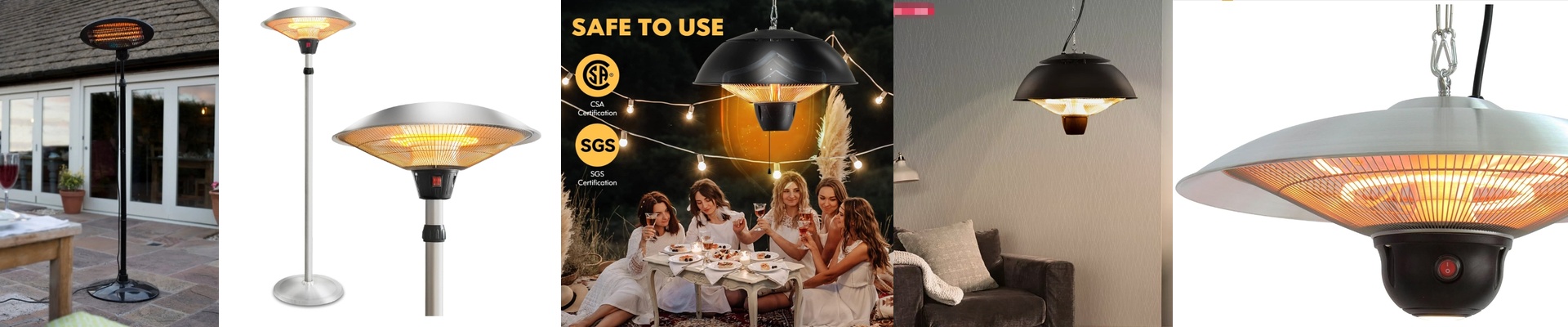
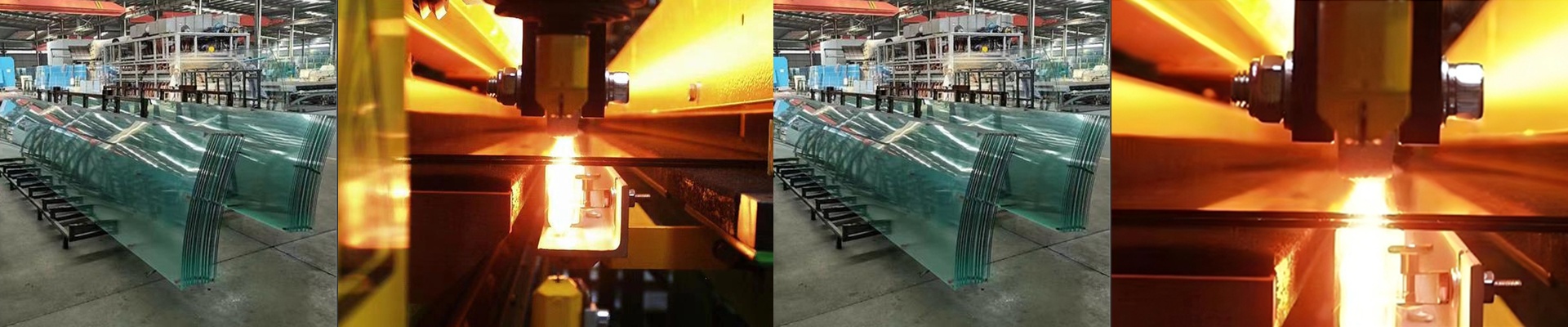
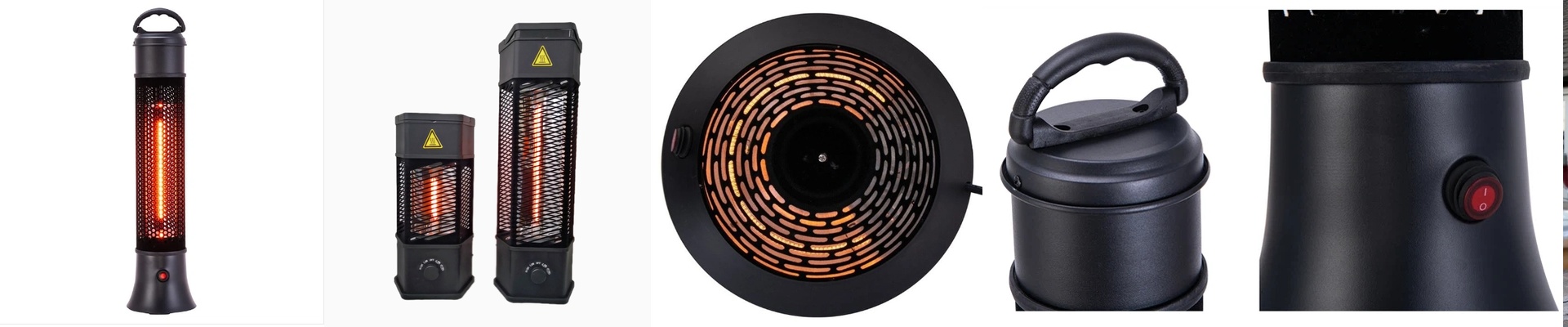
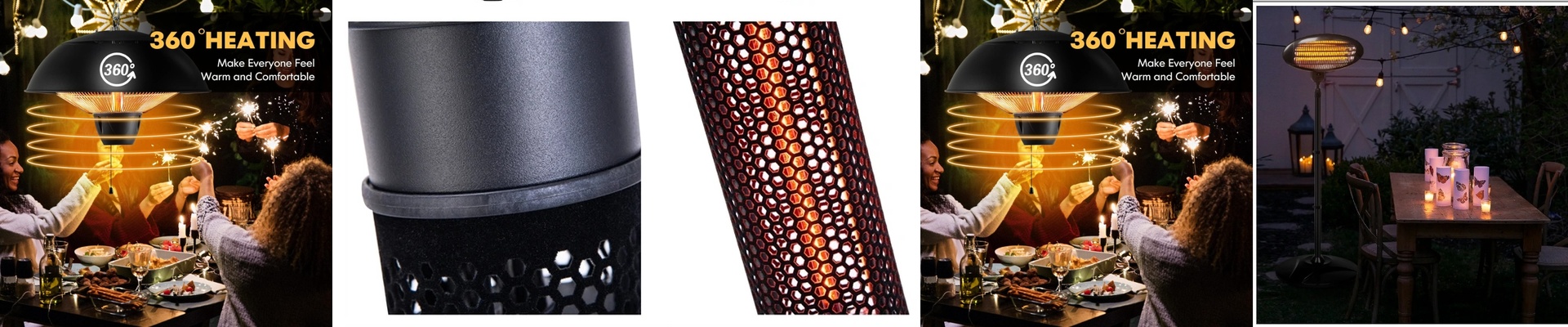
Stop Replacing Your Entire Patio Heater Every Time a Tube Goes
Let’s be honest: outdoor heaters have a rough life. They deal with rain, snow, and wild temperature swings every single day. Eventually, an infrared tube is going to burn out. It might take five years, or it might take less. But the real nightmare isn’t the cost of the part—it’s the headache of having to tear the whole fixture apart just to get to it. That’s why we stopped building heaters the “old way.” The problem with budget heaters Most cheap units just weld the heating element straight into the frame. It’s a disaster. If one tube dies, the whole thing is basically a giant piece of scrap metal. We did things differently. We built our heaters with a plug-and-play system. The heating element lives in its own little house with quick-release fasteners. You can swap out a dead tube in under ten minutes. No rewiring the main board. No swearing at a manual. Just pop it out and put a new one in. Keeping the water out Now, usually, if you make something easy to open, you make it easy for water to get in. It’s a trade-off. To fix that, we used compression gaskets and sealed cable entries. We also kept the infrared modules separate from the main power supply. This means you can pull a module for a quick fix without breaking the weatherproofing of the entire unit. It stays dry, and your electronics stay safe. The reality of maintenance Here is the truth: no heating element lasts forever. Even the fancy high-grade quartz ones eventually wear down. We treat the heating element like a lightbulb—it’s a consumable. You don’t need to hire a full electrical crew every time a tube pops. A basic technician can just drop in a replacement and you’re back to being warm. One quick tip, though. If you live near the ocean or in a really humid spot, salt and moisture can gunk up the connectors. If that happens, you’ll notice the heat dropping. Whenever you change a tube, just give the contact points a quick wipe with some contact cleaner. It keeps the connection tight and the heat cranking.