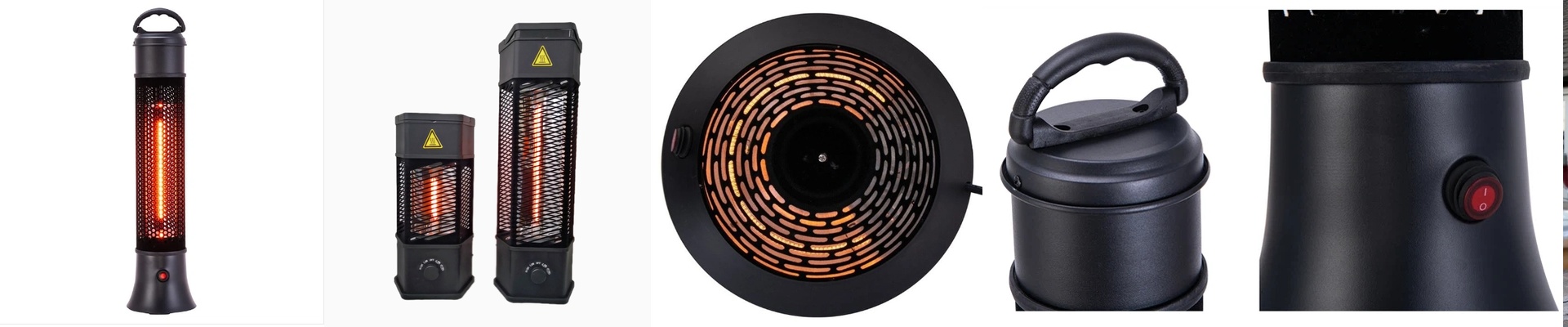

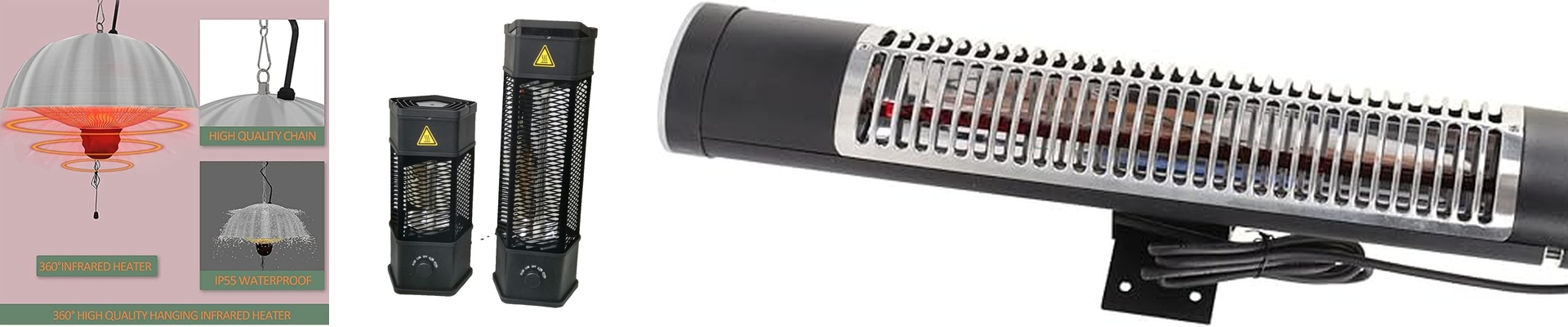
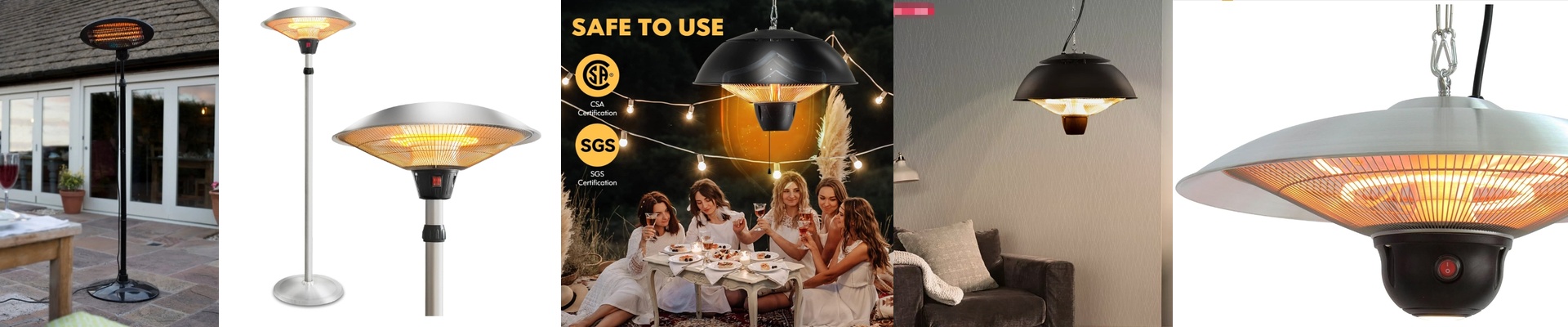
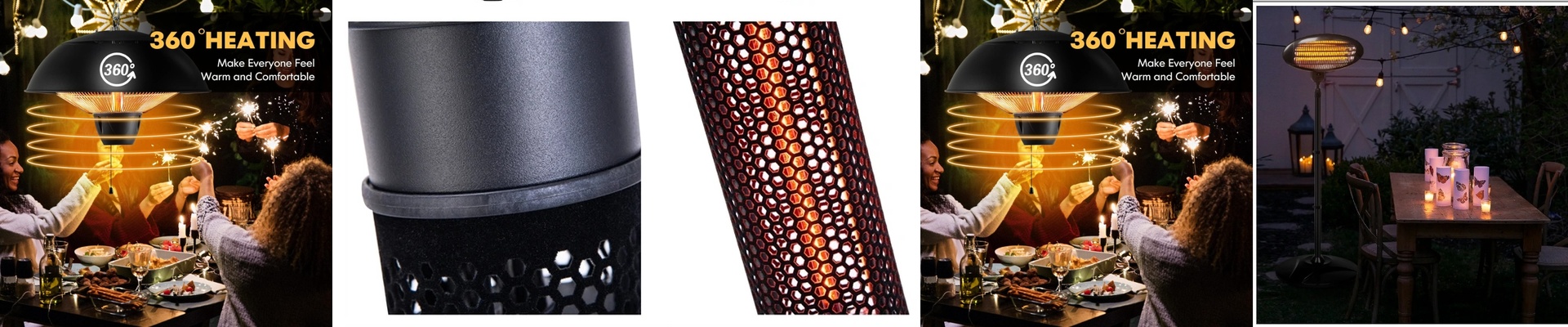
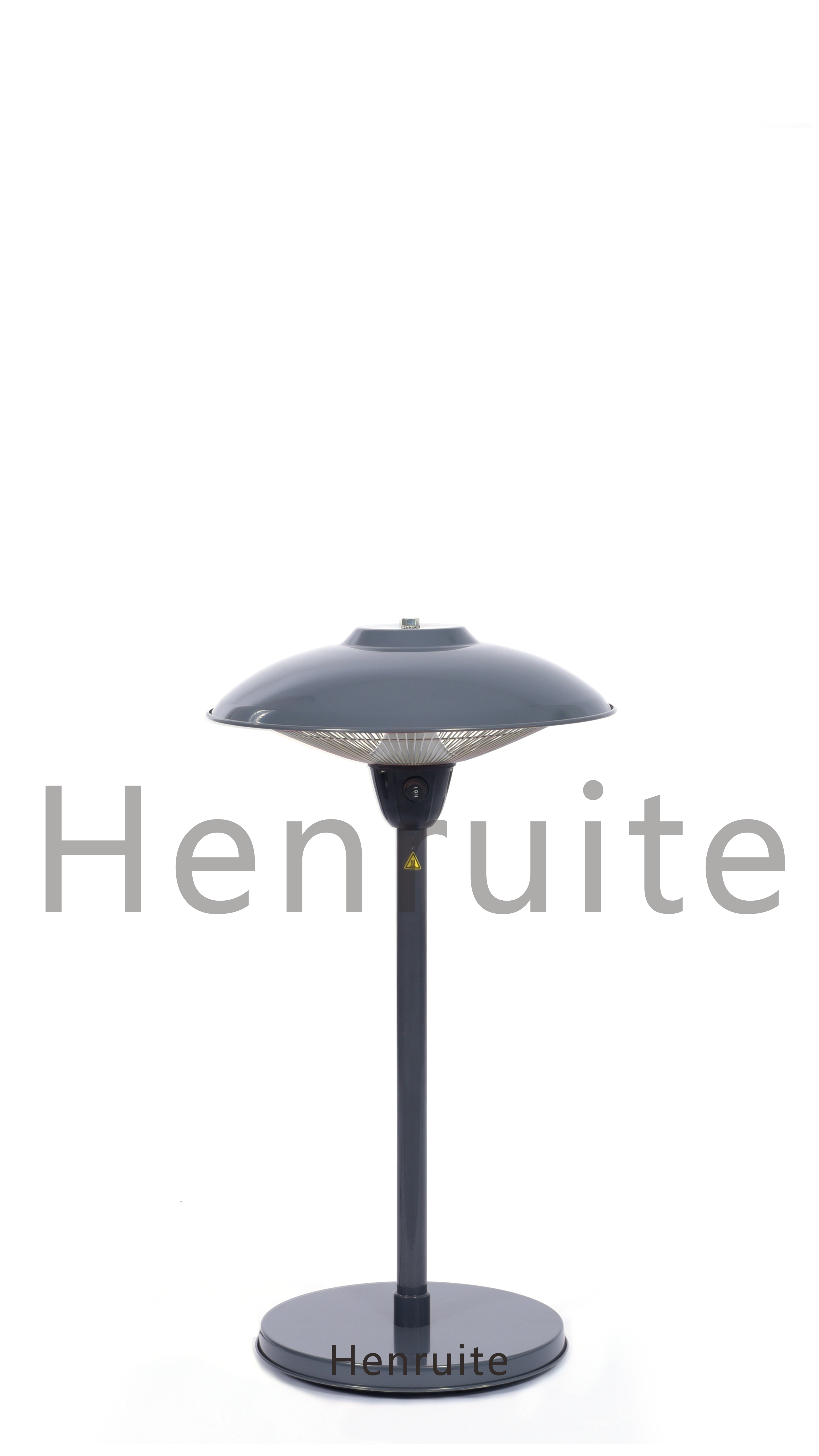
Making Warmth Smart: The Truth About IP65 Infrared Heaters
We build our infrared heaters to take a beating. When we say “IP65,” we just mean you can put these things in a steamy bathroom or a rainy patio and not have to worry about a short circuit or the housing rusting through. It’s basically a shield against dust and splashes.
That “Instant” Feeling
Most heaters try to warm up the air around you, which takes forever. These are different. They use short-wave infrared radiation, which means they heat you directly, not the room. It’s a weirdly great feeling. One second you’re shivering, and the next, it feels like a spring afternoon. We use quartz glass and specific alloys in the filaments so they hit their peak temperature almost the moment you turn them on. No waiting around.
Getting Them to “Talk” to Your Home
To make these work with your smart home, we plug them into Zigbee or Wi-Fi relays. But here’s the thing: these heaters pull a lot of power. If you use a cheap relay, the high initial surge of electricity can actually weld the internal contacts shut. We use heavy-duty specs to make sure that doesn’t happen. Plus, you can get creative with how you use them. I love setting up a motion sensor—the heater only kicks in when you actually walk into the room. It’s a simple way to keep your electric bill from skyrocketing.
A Few Things to Watch Out For
These units put out a massive amount of heat. Because of that, you can’t just mount them anywhere. Keep them away from plastics or anything that might melt or catch fire. And please, check your circuit breaker. If you hook up three 2000W heaters to a standard home circuit, you’re going to trip the breaker immediately. Use thick, heavy-gauge cabling. If the wires are too thin, you’ll lose voltage, and your heaters just won’t feel as hot.