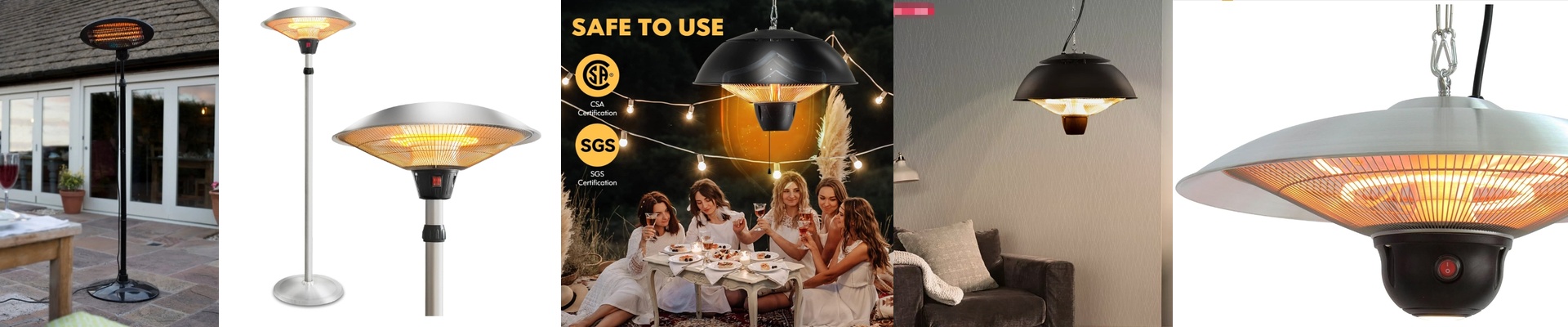
Getting Your Bathroom Heat Just Right
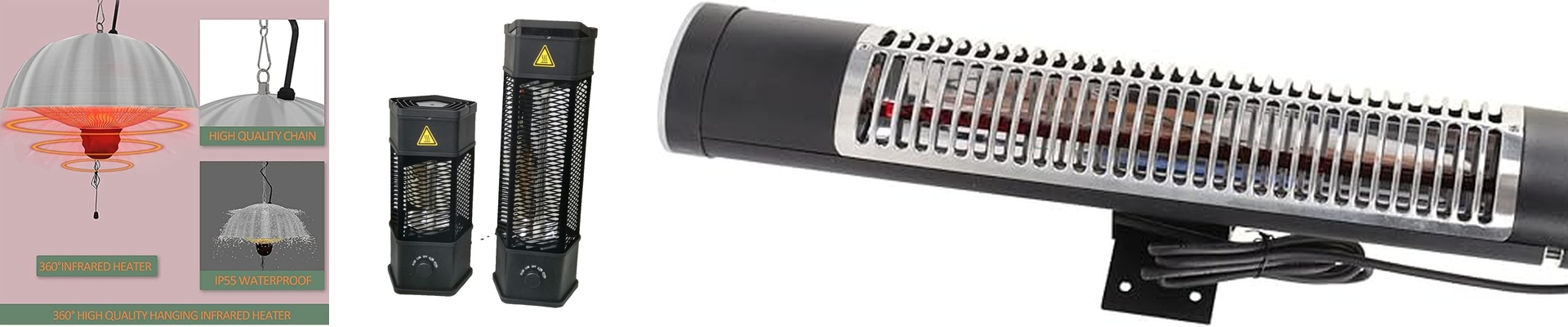
Putting infrared heat in a bathroom is a bit of a balancing act. You want it to feel cozy, but you also have to deal with all that steam and splashing water. That’s why we use IP55-rated enclosures. Basically, it’s a shield that keeps the guts of the heater safe from moisture and dust so you don’t end up with a short circuit. The real magic happens with the lamp. The wattage you pick is what decides how quickly you go from “shivering” to “perfectly warm.”
Finding the Right Power for Your Space
You can’t just grab any heater and hope for the best. If you’re dealing with a tiny powder room—maybe 3 to 5 square meters—keep it simple. A 250W to 400W lamp is plenty. If you go overboard here, you’ll just waste electricity and end up with those annoying “hot spots” where one part of the room feels like a sauna and the rest is chilly. For the bigger bathrooms (around 6 to 12 square meters), you’ll want to bump it up to 600W or 800W. But here’s a pro tip: instead of one massive, scorching unit, try splitting the load between two smaller lamps. It spreads the warmth around much better, so you aren’t just heating one square foot of the floor.
How the Heat Actually Works
Infrared is different. It doesn’t bother warming up the air; it warms you and the things around you. It’s a great feeling. You can flip the switch off the second you leave the room and the walls still hold that warmth. One thing to watch out for is your ceiling height. If your ceilings are higher than 2.5 meters, a standard 400W lamp might struggle. The heat loses its punch before it even reaches you. In those cases, you’ll need a higher wattage or a reflector that pushes the heat straight down.
A Few Things to Keep in Mind
Higher wattage means more power pulling through your wires. If you hook up several 800W units to one circuit, you might trip your breaker or, worse, overheat some thin wiring. It’s always worth double-checking your circuit capacity before you commit to the biggest lamp available. Also, remember that those IP55 seals do a great job of keeping water out, but they also trap heat inside the fixture. Give your housing some breathing room. A little bit of clearance goes a long way in making sure your components don’t burn out early.