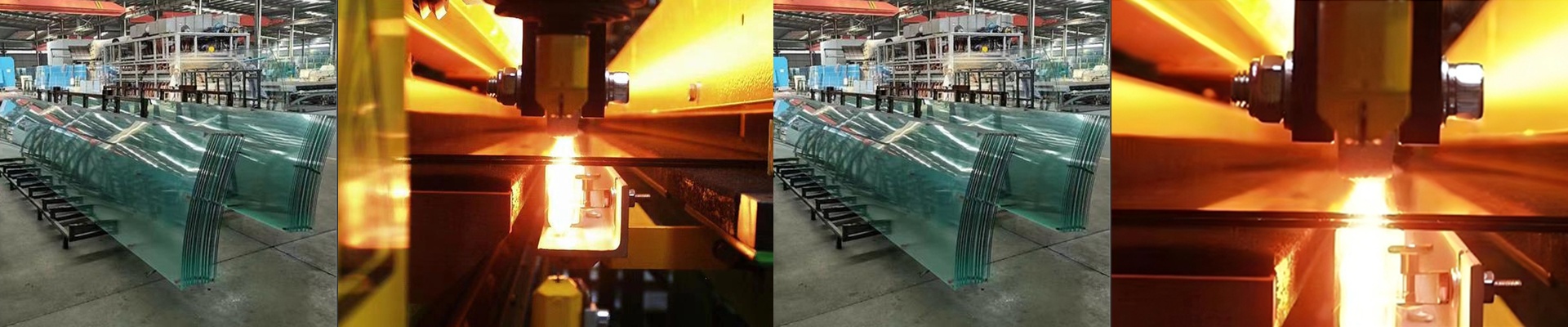
On the glass line, downtime and scrap aren’t just numbers—they’re dollars out the door. One heating zone drifts, a module throws a fault, and the whole line stops. Tempering and bending schedules slide, and quality takes a hit. White coated quartz heaters are built to keep those zones stable, day in and day out, under the heat and load of actual production. The technical heart is straightforward. These are quartz infrared emitters with a white coating that shapes the spectral output and keeps emissivity stable. That translates to faster response, tighter control, and temperature profiles you can count on across the glass. In practice, you get rapid heat-up, low thermal inertia, and consistent output—helping you avoid thermal stress, bow, and optical distortion in tempering, bending, and coating drying. They’re engineered for industrial power, offered in standard voltages and watt densities, and sized to match common OEM footprints. Swap them in without reworking the machine. Why it matters on the floor is simple: throughput and yield. The fast response cuts cycle time, and even heat distribution means fewer comebacks from stress fractures and uneven curing. Energy use drops because the heater delivers heat on demand, with minimal standby loss. In lamination, coating, and insulating glass sealing, stable temperature keeps adhesion uniform and edge seals reliable. The white coating also resists discoloration at high temperature, so output stays consistent over long runs. One practical point: match the mounting, terminals, and clearances to what you already have. Quartz heaters run hot, so make sure you have proper airflow and guarding in place. With correct alignment and a clean reflector setup, these heaters run long intervals between replacements. Fewer stops, fewer defects, and a steadier line.