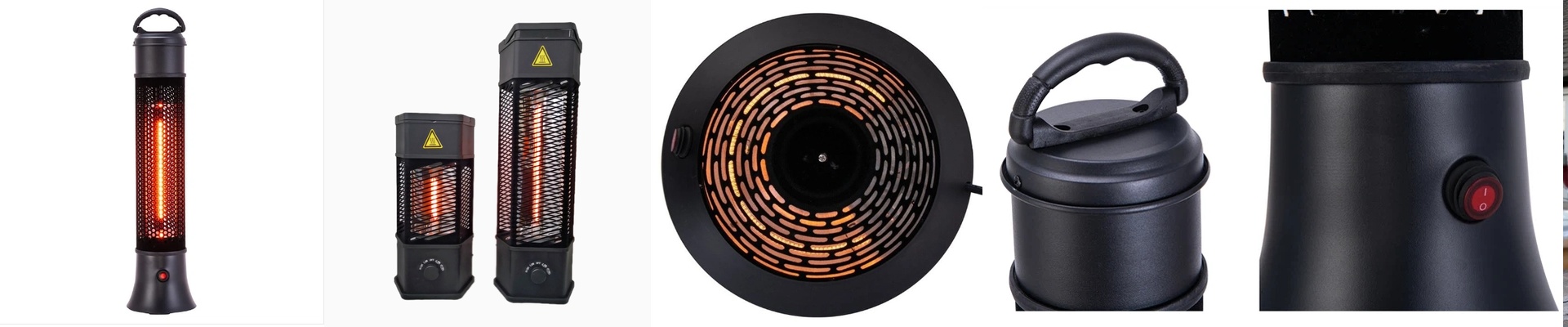

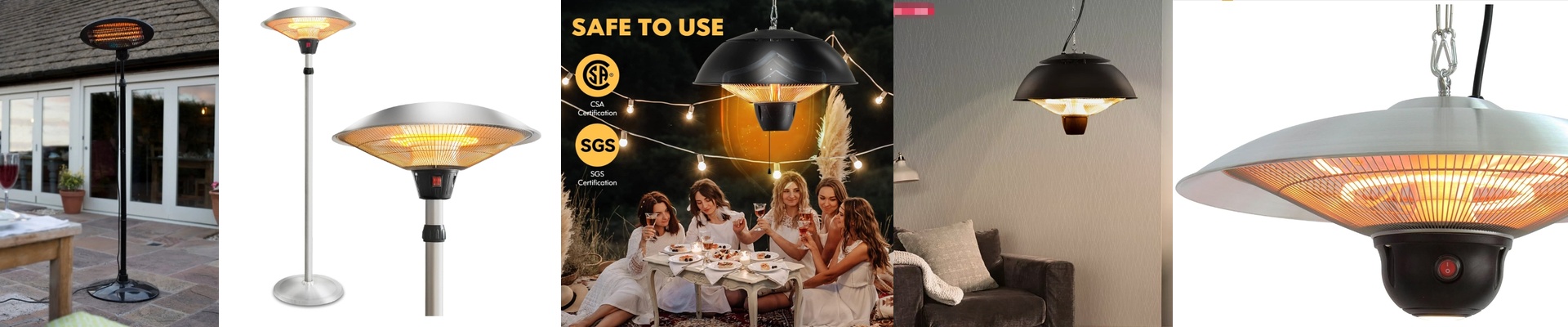

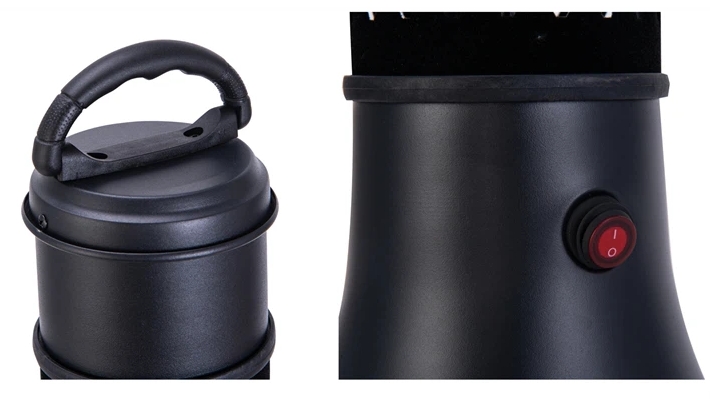
Out in remote homes, the old orange glow of a kerosene stove used to spell warmth—but it also meant soot, that sharp fuel smell, and indoor air that felt constantly compromised. Swapping to an infrared heater isn’t just a different box on the floor. It changes how the room feels and how clean it stays. What’s actually happening under the hood Infrared heaters deliver radiant warmth—they warm people and objects directly, instead of pushing air around the room. Most models use carbon fiber elements or quartz tubes to put out short- and medium-wave infrared, so the heat shows up fast, often within seconds of flipping the switch. They typically run on standard household voltage and pull between 400W and 1500W, depending on room size. The heating chamber is sealed, so dust and combustion byproducts stay out of the living space. For comfort, you get an adjustable thermostat to hold a steady temperature, and safety is built in with tip-over protection and overheat shut-off. Why this matters where you live The real payoff is indoor air quality. Kerosene burns and vents moisture, and that can leave behind residue and a heavy odor. Infrared heat produces no combustion inside the room, so you avoid those particulates—and you stop chasing fuel cans. You end up with steadier warmth, fewer drafts, and a noticeably fresher feel. That’s especially important in tighter, off-grid places where your ventilation options are limited. What you need to get right Infrared heat is directional, so placement matters. Put the heater where it can shine directly on seating areas, and you’ll feel it almost immediately. If you want whole-room comfort, pair it with a gentle convection heater, or look for a dual-mode model. Keep the unit at a safe distance from curtains and furniture, and use a grounded outlet that can handle the draw—especially when it’s running on the highest setting.