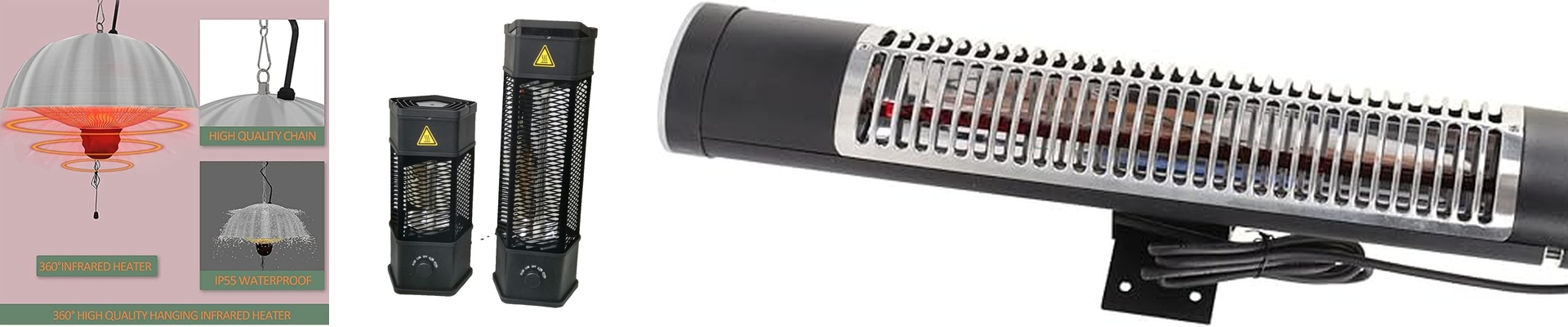
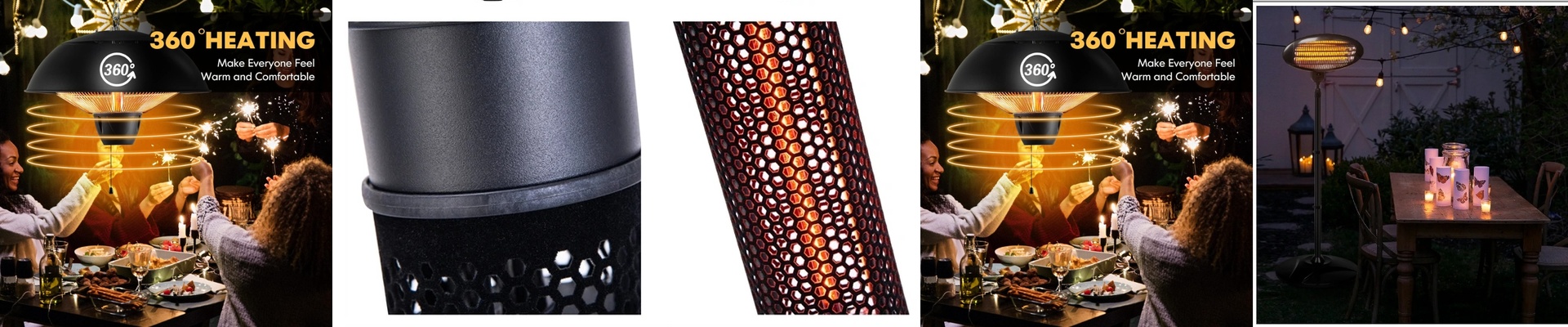
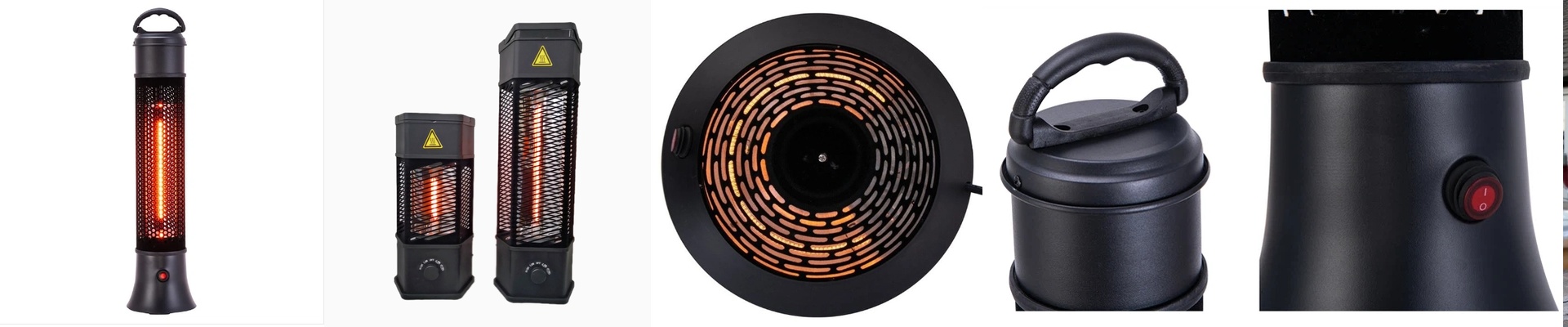
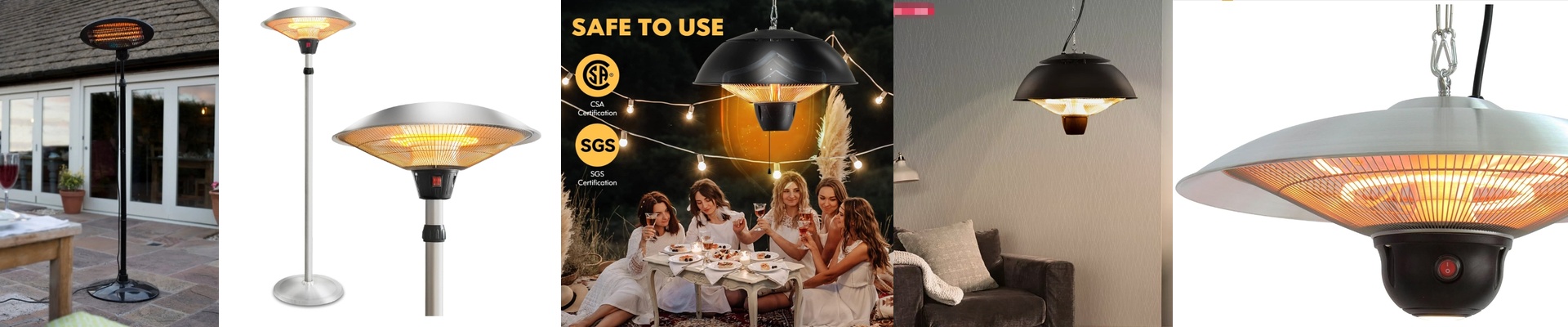
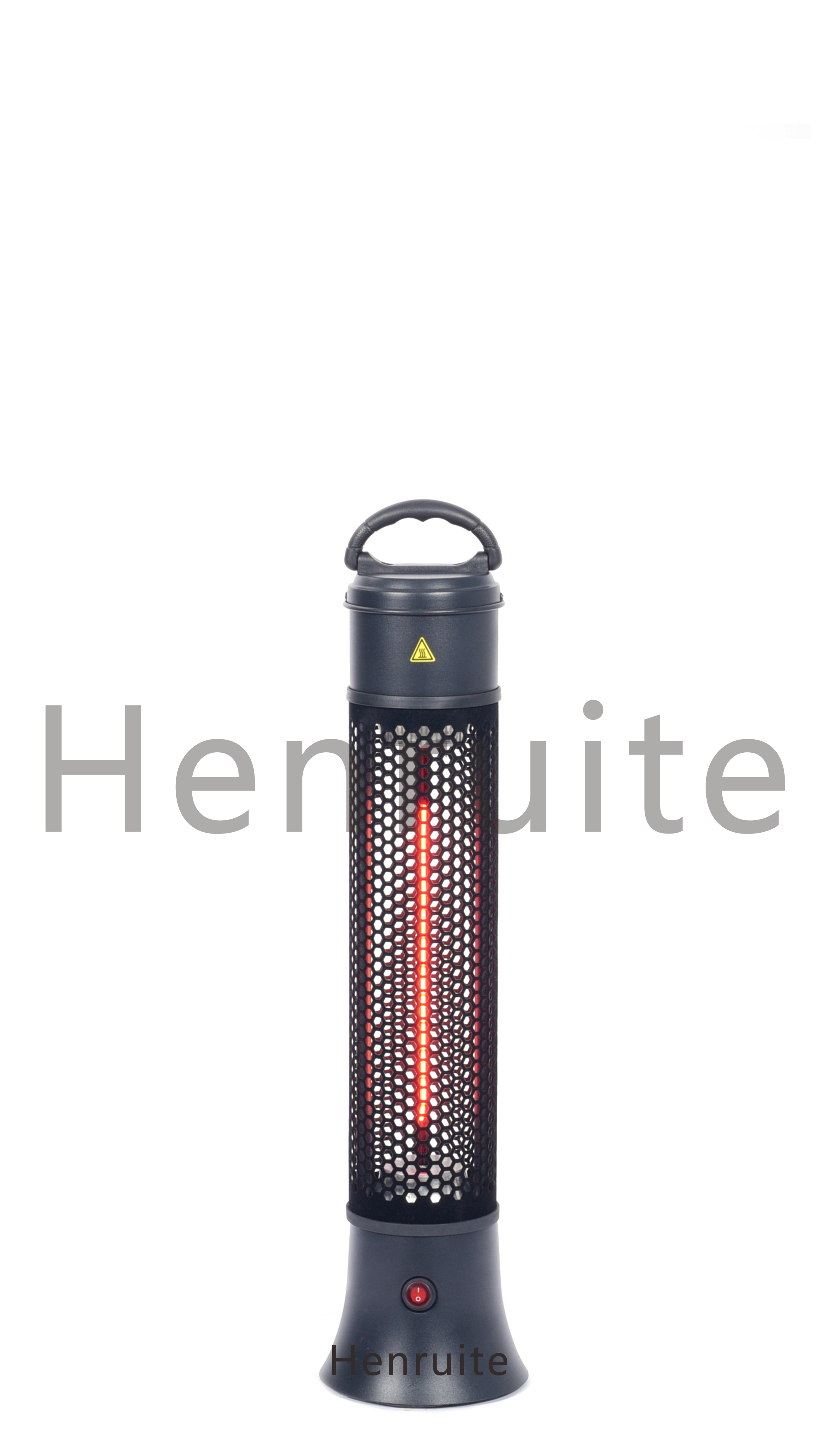
Winter evenings on the patio shouldn’t leave you dreading the utility bill. When the air turns sharp, you want heat that hits fast, holds steady, and doesn’t punish your wallet. That’s exactly where an infrared heater earns its keep—warming what matters, without wasting energy heating empty sky. What actually matters under the hood Infrared heaters work because they warm people and objects directly, not the air between. A carbon fiber or quartz element turns electricity into radiant heat, sending it outward at the speed of light. You feel the warmth within seconds, even when the wind picks up. Add in solid engineering—reflectors that focus the output, low-thermal-mass elements that come up to temperature quickly, and thermostats that hold a steady feel—and energy use drops. In practice, that efficiency can translate to about 30% less electricity than many convection heaters for the same comfort. On the safety side, tip-over protection shuts the unit off if it gets knocked over, and an overheat sensor prevents runaway temperatures. Why it fits the way we actually live outside Outdoor living is about the moment, not waiting around for the space to warm up. An infrared heater delivers radiant warmth that feels like standing near a sun-warmed wall—direct, even, and immediate. That means fewer shivers, more conversation, and evenings that naturally stretch longer on the deck. Financially, the energy savings add up: a 30% reduction in power use matters month after month, especially when you only need heat in short bursts. And you avoid the drafty, air-moving feel of some heaters, so comfort stays consistent without noisy fans. What you need to keep straight Infrared warmth shines in open-air spots and drafty areas because it heats people and surfaces, not the air itself. If you’re dealing with a larger enclosed space, you may need a higher wattage unit or some supplemental heating. Installation is straightforward—plug into a grounded outlet and place the heater on a level, stable surface. But if you’re running multiple heaters, plan for a dedicated circuit. Keep a clear clearance around the heater, and remember: the exterior stays cooler than many heaters, but the radiant zone is warm.