Keeping People Warm When It’s Wet and Cold
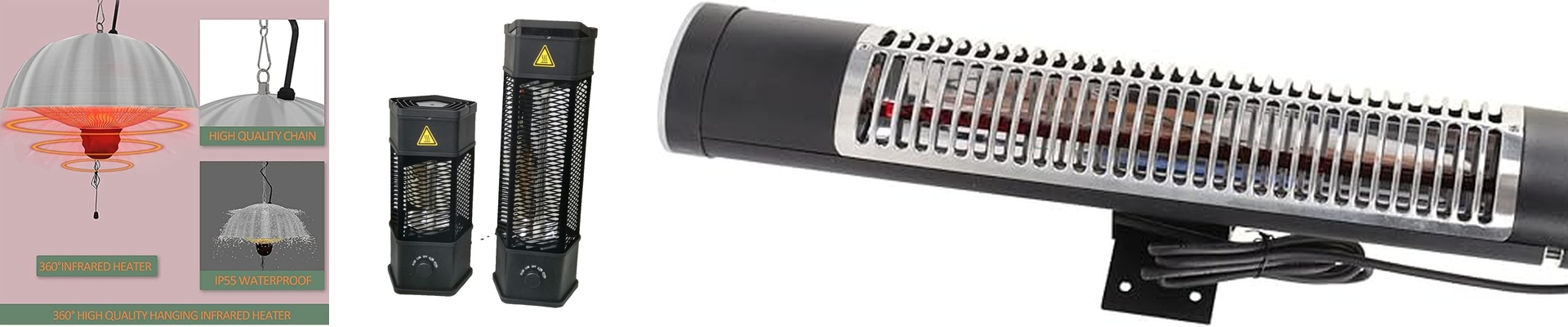
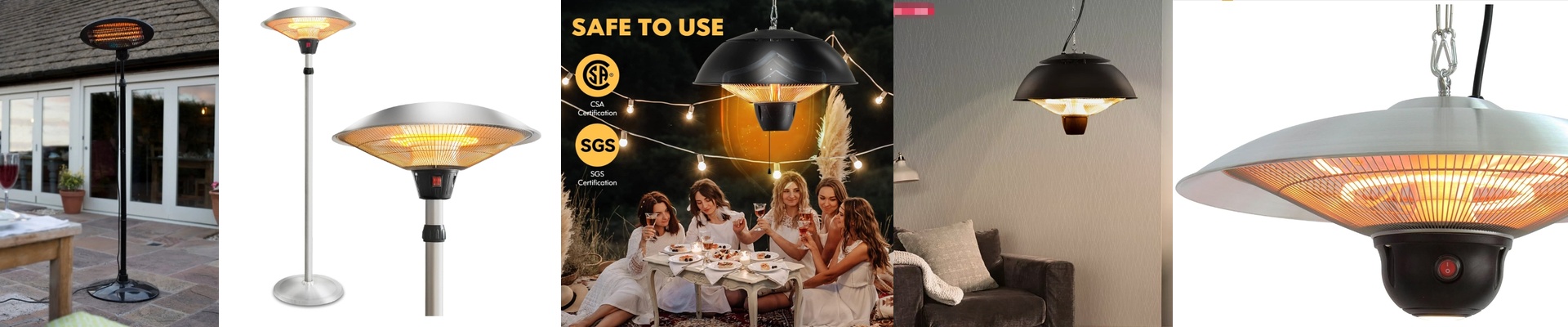
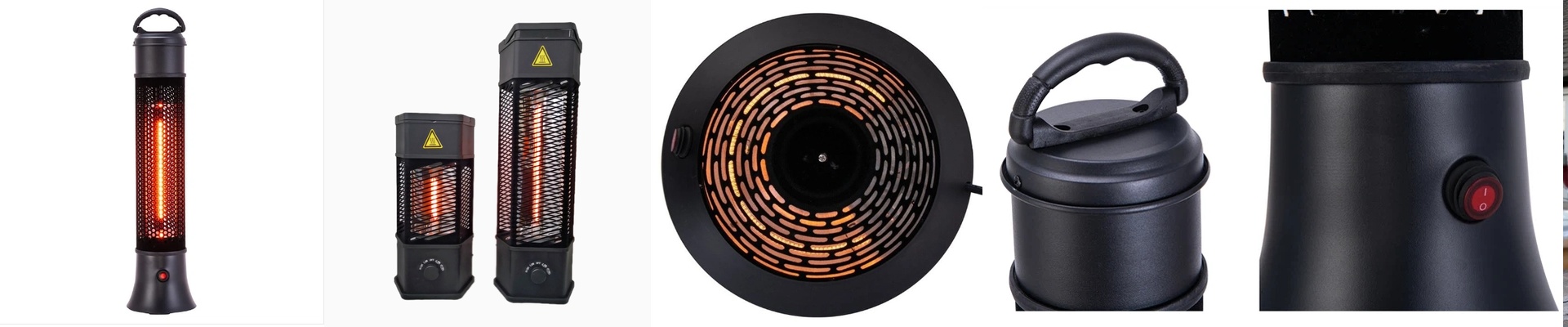
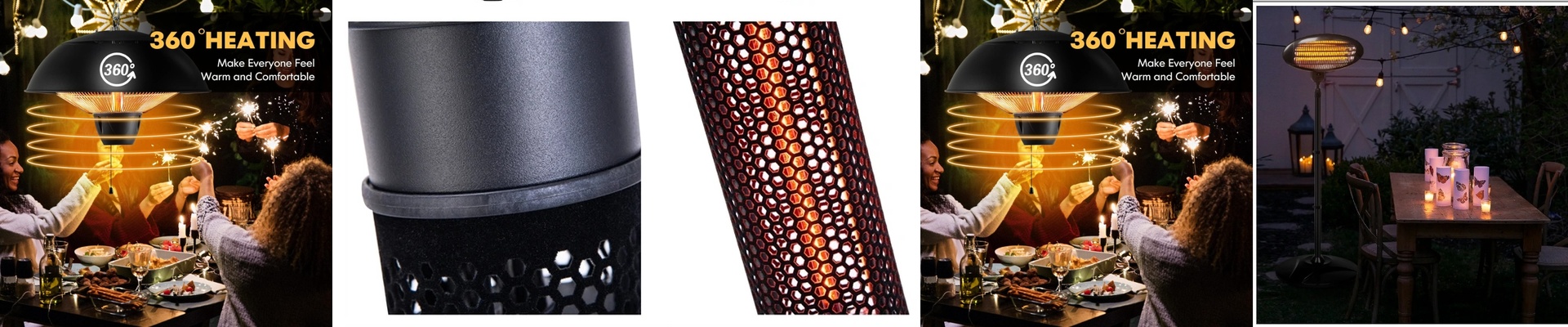
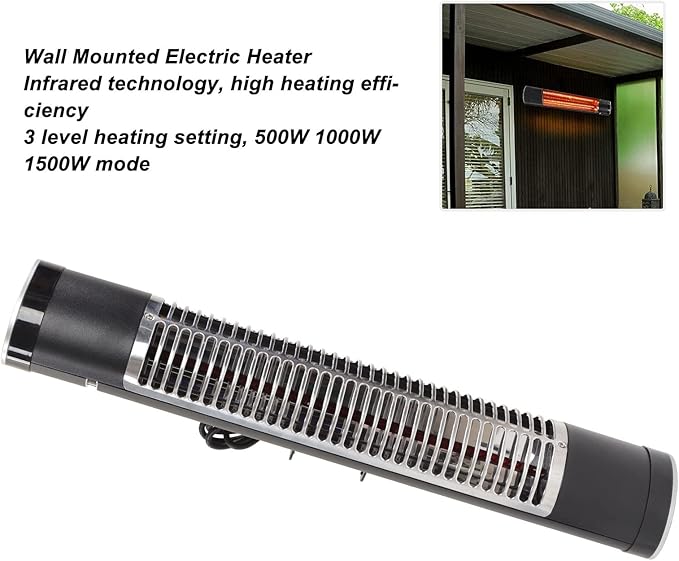
Let’s be honest: nobody likes shivering in an outdoor changing area or a damp poolside deck. If you try to heat the air in those spots, you’re basically fighting a losing battle. The wind just carries the warmth away before anyone feels it. That’s why we build our heaters differently. Instead of trying to warm up the entire atmosphere, we use shortwave infrared. Think of it like the sun. You can feel the sun’s heat on your skin even if the air around you is freezing. Our heaters do the exact same thing. They send heat in a straight line, hitting the person directly. It’s instant. You step under it, and you’re warm. No waiting around. The secret is in the glass. We use quartz glass to wrap the filament. This lets the heat blast through without getting trapped or lost. It’s the reason a freezing cold room feels cozy the second you flip the switch. The heat doesn’t float around; it just sinks right into your clothes and skin. Built for the elements Outdoor gear takes a beating. Rain, salt air, and dust can ruin a heater in a heartbeat. We give our units an IP65 rating, which is just a fancy way of saying we’ve sealed the guts of the machine. Water can’t get in, and the housing is made to resist corrosion so the humidity doesn’t eat through the frame. One quick heads-up: these lamps pull a lot of power. If you’re installing a whole row of them by a pool, make sure your breakers can handle the peak load. You don’t want the power tripping the moment everyone turns them on. Getting the placement right Here is the tricky part. Shortwave heat is fast, but it doesn’t travel as far as other types of infrared. You have to nail the mounting height. If you hang them too high, the heat vanishes before it reaches the person. Too low? You’ll end up overheating whatever is sitting directly underneath the lamp. It’s all about finding that sweet spot between the wattage and the height to make sure the warmth feels just right.