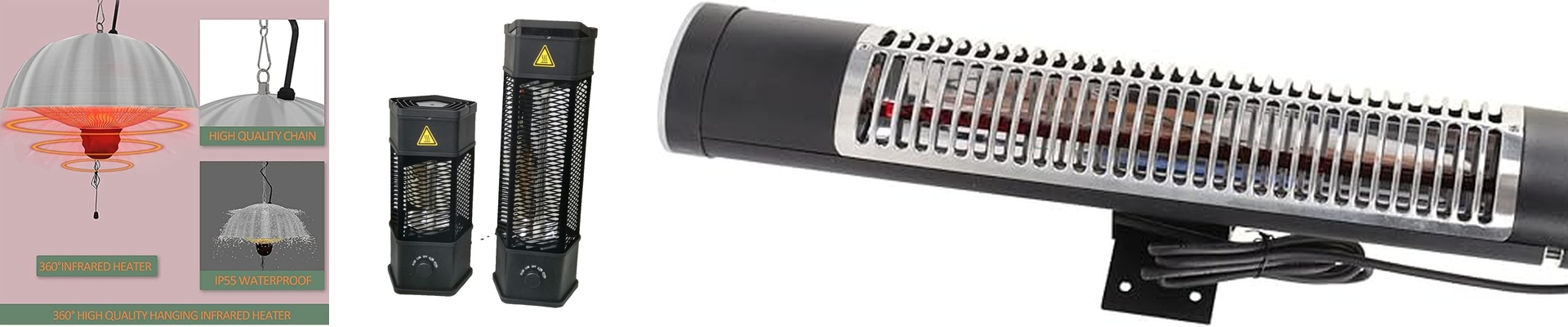
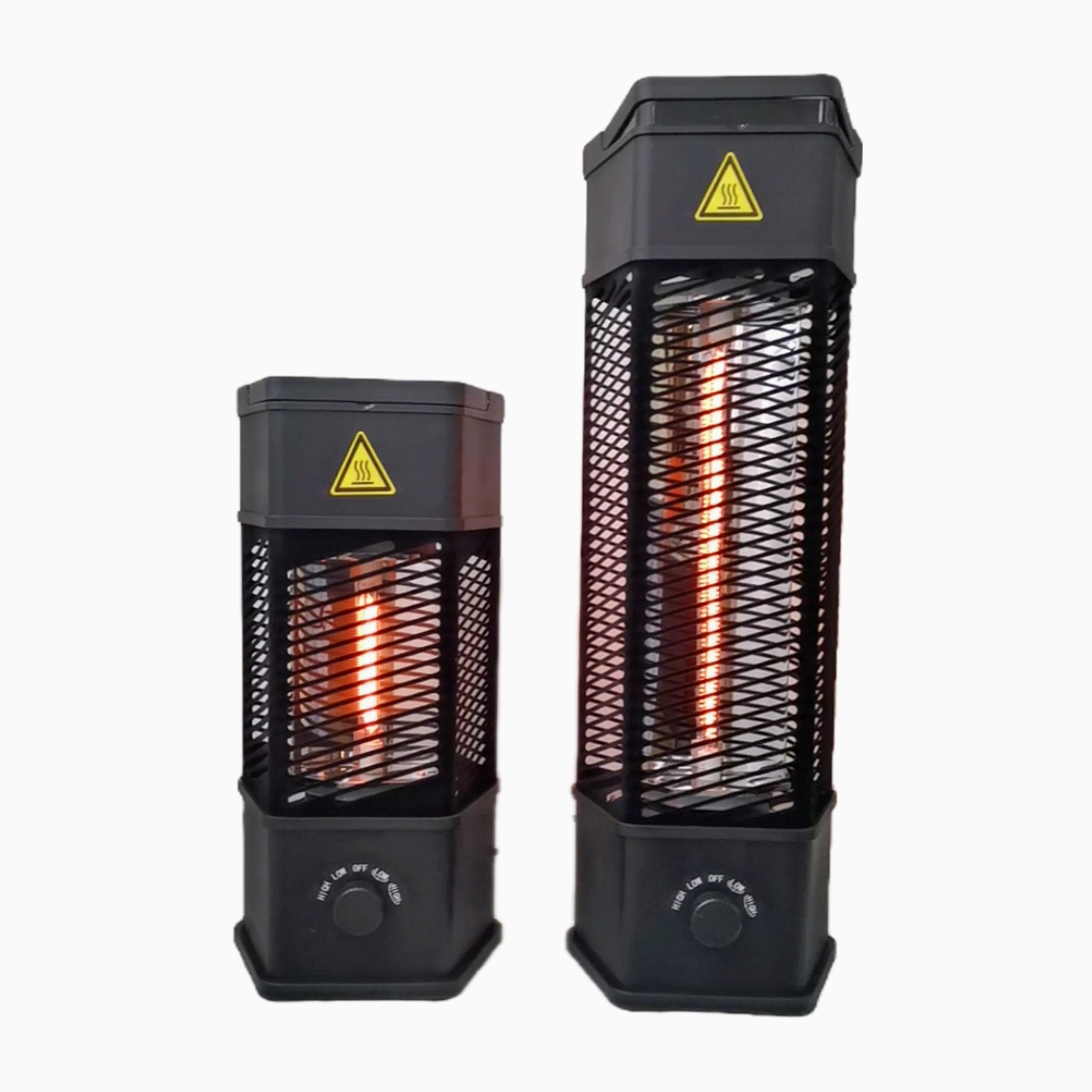
3000W Infrared Power: Why It Matters and Where It Shines
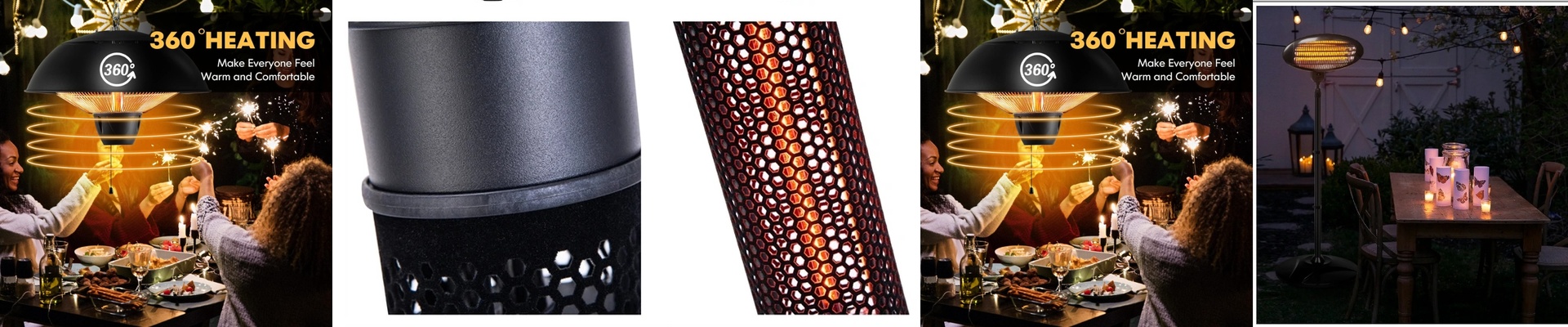
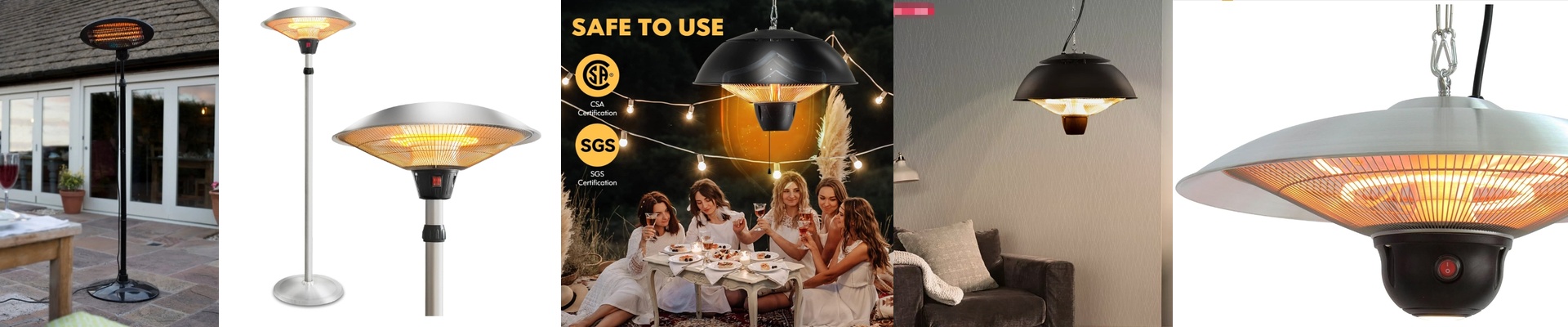
We built this 3000W wall-mounted infrared heater for the places that need serious, focused heat—fast. That 3000W rating isn’t just a number. It’s a deliberate choice to deliver instant radiant warmth without tripping standard circuits. And by mounting it on the wall, we free up floor space and put the heat exactly where you need it. The payoff? Quick response and less air movement, which means less dust getting kicked up.
Built to Beat Fog and Splashes
Infrared heaters can fold early when moisture and temperature swings cause condensation on the lamp. So we built in an anti-fog approach that keeps a steady thermal zone around the emitter. The front housing and sealing are designed to stop dew from forming, so the lamp stays clear and the beam stays steady. Splash resistance matters just as much. Internal electronics and connections are protected with a conformal barrier and sealed joints, so water from cleaning or washdowns doesn’t get in. That’s why we specify a tough protection rating—to keep the core components dry, even when things get hosed down. Just one note: that protection means less airflow around the housing, so you’ll want to mount it with enough clearance to keep it from running too hot in one spot.
Tough Materials, Smart Connectors, and a Long Run
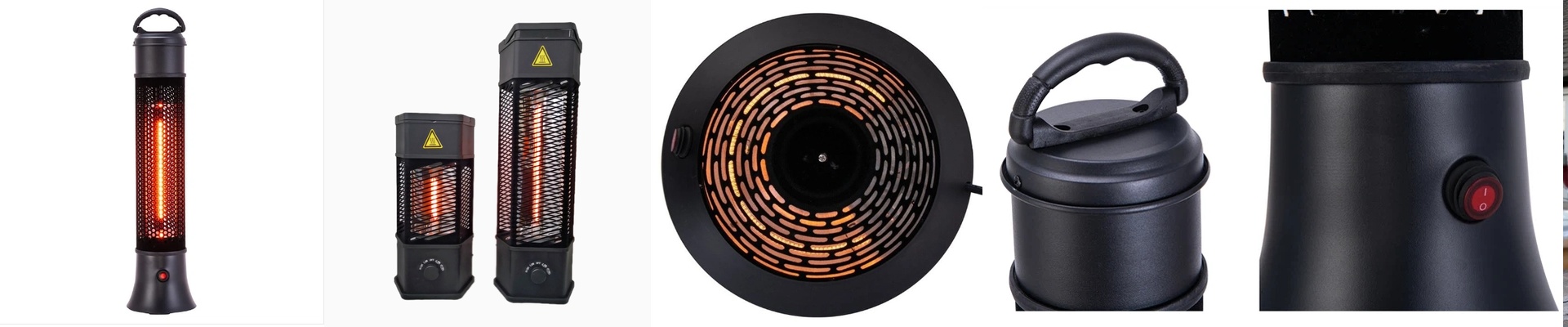
Inside, you’ve got a high-temperature quartz emitter and a reflector coating that holds up to repeated heating and cooling. The wall bracket is steel with corrosion-resistant finishes, and the wiring compartment uses industrial terminals that stay tight even when things vibrate. The connector is set up for fast, tool-assisted wiring, so swapping it in during maintenance is straightforward. Less downtime. Just spec it right, wire it with the proper gauge, and it’ll take a beating without giving up early.
Where It Works and What It Feels Like
This setup is at home in workshops, on production lines, and in warehouse zones where spot heating makes all the difference. The anti-fog and splash-proof design translates into fewer service calls, steady output, and costs you can plan around. For engineers, it means a heater that holds its nerve in rough conditions—and keeps maintenance predictable.