
Stop the Chipping: Why We Use IR Preheating for Glass
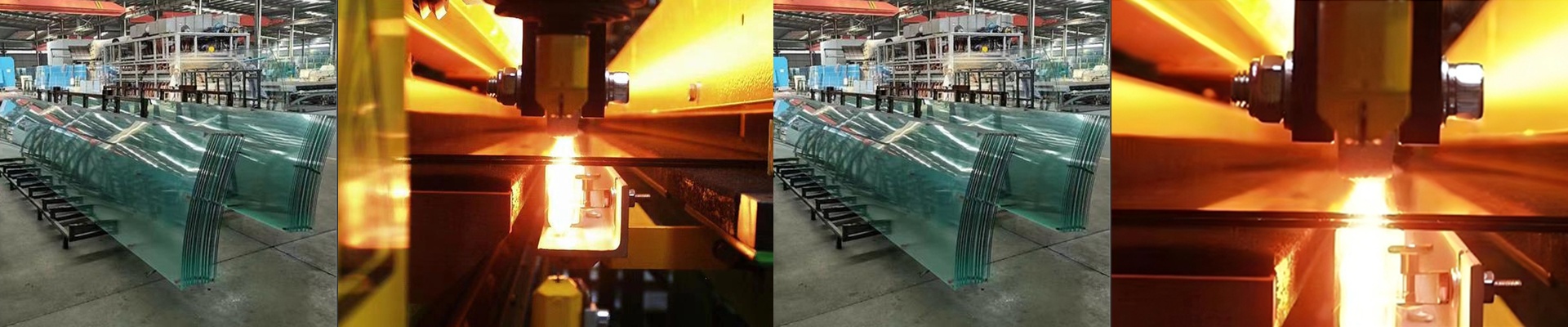
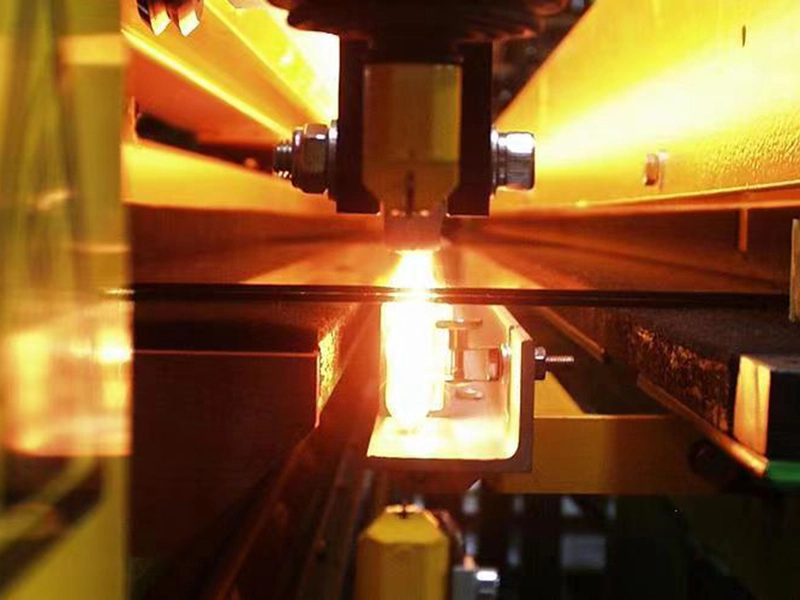
Anyone who’s spent time cutting glass knows the frustration of a “bad break.” You score the surface, you apply pressure, and instead of a crisp line, you get those jagged little chips or a corner that just snaps off where it shouldn’t. It happens because cold glass is tense. When the diamond tool hits it, the crack doesn’t always follow the path you set. It wanders. And when it wanders, you get waste. The fix is actually pretty simple: we warm the glass up right before the cut using short-wave infrared (IR) lamps. How it actually works Think of it as relaxing the material. The IR radiation sinks into the glass, heating it up and lowering that internal stress. When the glass is warm, the crack behaves. It stays on the line. You get a clean, smooth snap every time, which means way fewer edges ending up in the scrap bin. Getting the setup right For most inline or batch setups, we go with short-wave quartz lamps. They’re compact, but they pack a punch. The best part? They don’t waste time heating up the air around the glass. They dump the energy directly into the material. Since the glass is moving fast, you need that instant response. But you can’t just throw a lamp on the line and call it a day. You need an array of them. If you have a “cold spot” on the sheet, the glass will snap unevenly. Plus, you have to get the distance just right. Too close, and you risk thermal shock. Too far, and you’re back to square one with the chipping. The trade-offs Now, here is the catch. These lamps put out a massive amount of heat. If your ventilation isn’t up to the task, that heat stays in the room. Before you know it, your control electronics start drifting or, worse, they just fry. You’ve got to make sure your cooling system can handle the extra load. And keep an eye on the bulbs. Filaments age. As they fade, the heat drops, and you’ll notice those annoying chips starting to creep back into your work. My advice? Keep a few spare lamps on the shelf. It’s a lot cheaper than shutting down the whole line because a bulb burned out.