Dealing with those annoying “dead zones” in glass annealing
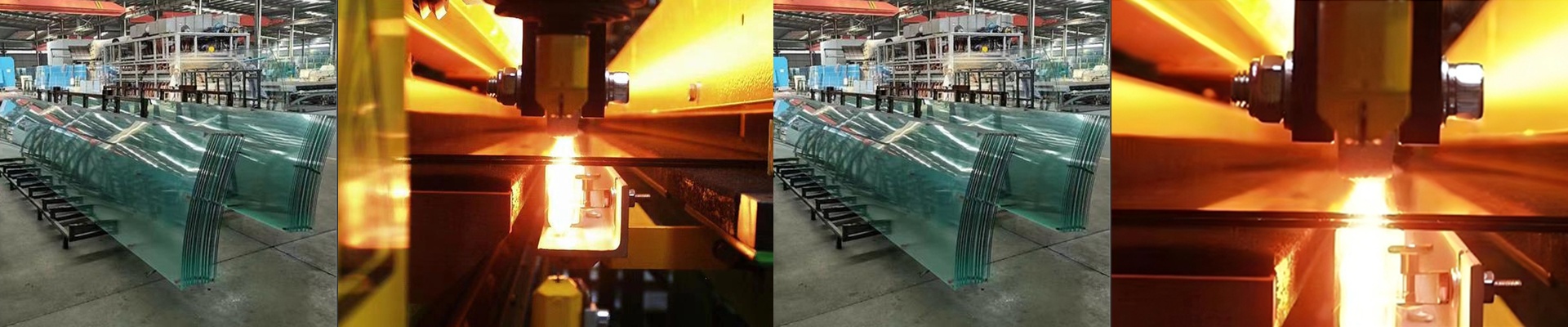
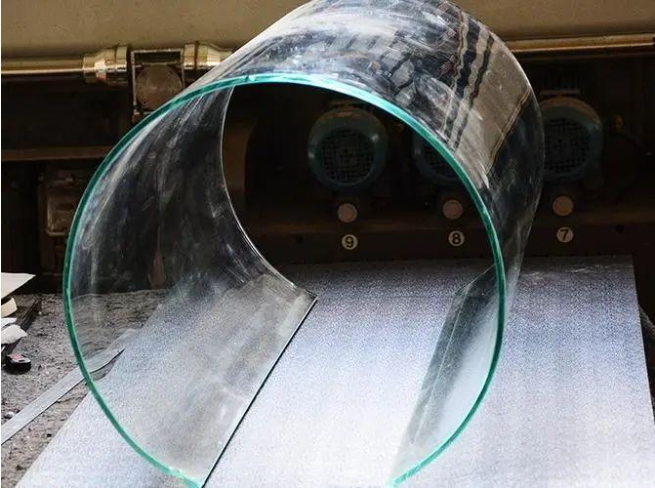
If you’ve ever worked with glass that has a weird shape—think narrow necks or deep, steep basins—you know the frustration. You put it in a standard kiln, everything looks fine on the readout, but the piece still cracks during cooling. It’s because of “temperature dead zones.” Basically, the hot air just can’t get into those tight spots. The glass stays too cold, the stress builds up, and then… snap. It’s a nightmare.
Why we use IR lamps
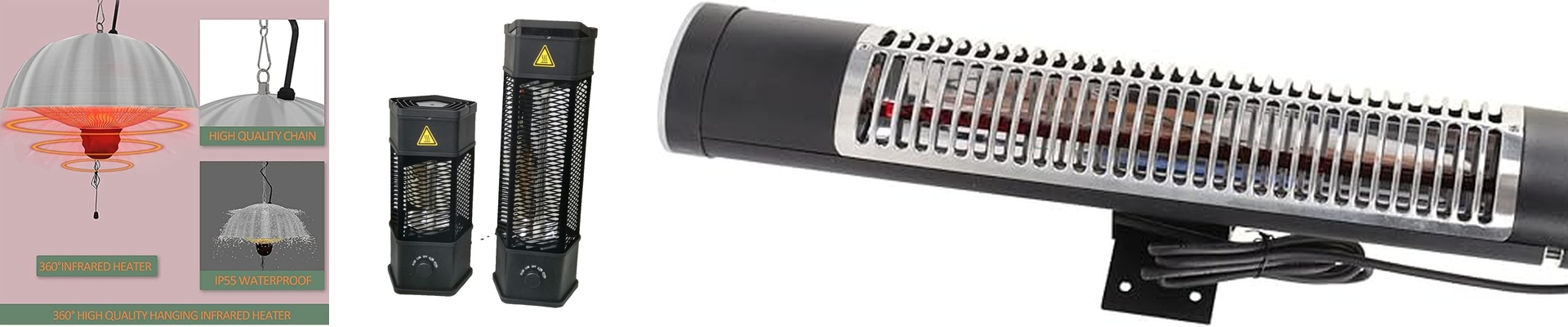
The trick is to stop relying on the air and start using short-wave infrared lamps. Think of it like the sun on your skin. You don’t need the air around you to be 100 degrees to feel the heat; the radiation hits you directly. We set these lamps up in a multi-angle array so they can “see” into the blind spots of your vessel. The goal is to get the glass exactly where it needs to be for annealing without accidentally baking the rest of the kiln into an oven.
The gear you actually need
Getting the heat right is a bit of a balancing act. You don’t want a lamp that’s too big for the space, but you need enough punch to do the job. We usually go with high-wattage quartz halogen tubes. They’re small, but they pack a serious punch. We also stick to R7s or SK15 connectors. Why? Because when a tube eventually burns out—and they will—you can just pop a new one in and get back to work without a headache. One quick tip: double-check your voltage. If you’re running a long line of lamps, you can get voltage drops that kill your efficiency. And if you’re going heavy on the power, make sure your control cabinet has beefy contactors and plenty of heat sinking, or you’re just asking for trouble.
The trade-offs (the honest part)
Now, these lamps are great for precision, but they put out a ton of radiant heat. If you cram too many of them into a tight space, you might actually warp the internal supports of your kiln. It’s a bit of a tug-of-war between having enough lamp density to hit those dead zones and not overheating the entire chamber. Oh, and don’t forget some decent shielding. You don’t want a stray glass shard or some chemical vapor ruining an expensive lamp.