

Keeping Your Bathroom Infrared Heaters Safe (and Dry)
Let’s be real: bathrooms are the worst place for electronics. You’ve got steam everywhere and water splashing just about every single surface. If you’re putting infrared heating lamps in there, you can’t just wing it with a basic housing. You need a setup that actually keeps the electricity and the water far apart.
Dealing with the Damp
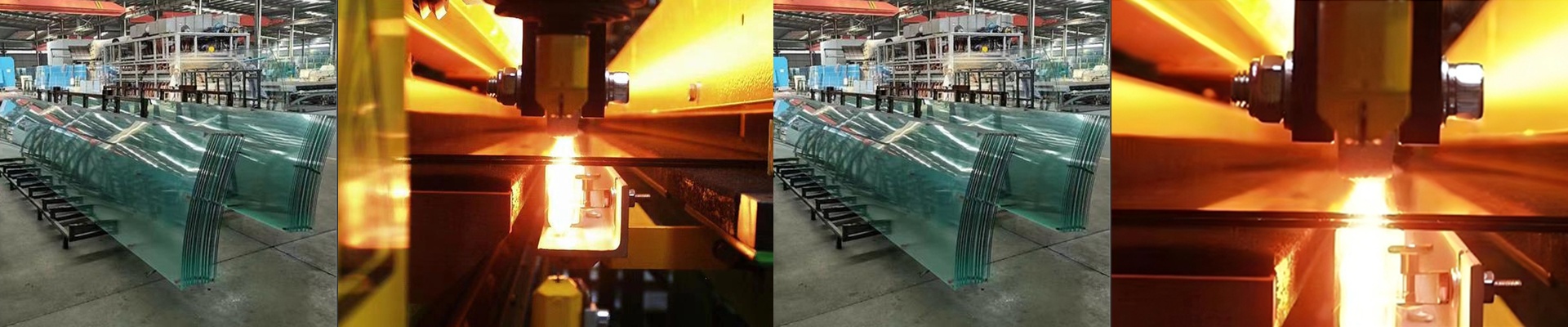
Here is the thing about water—it loves to move electricity. In a steamy bathroom, a tiny film of moisture can settle on your lamp. If that happens, it can create a “bridge” from the live wire straight to the metal frame. Not great. To stop that, we use high-purity quartz glass. It’s thick, sturdy, and acts as the main shield. But the glass isn’t the only part that matters. We pay a lot of attention to the seals on the end caps, using high-temp silicone or ceramic gaskets. If those seals let even a little bit of moisture creep in toward the tungsten filament, the lamp will either pop instantly or, in a worst-case scenario, send a shock through the mounting frame.
The Connection Points
The spot where the wires meet the lamp is usually where things go wrong. When the air is thick with vapor, you can get “arcing”—basically, electricity jumping where it shouldn’t. A standard R7s or Sk15 socket is fine for a dry room, but not here. You’ve got to tuck those into a moisture-proof junction box. It’s an extra step, but it’s the only way to sleep soundly. And please, ground the whole fixture to a dedicated earth line. If something does fail, you want the breaker to trip immediately. You definitely don’t want the heater’s surface becoming live while you’re standing on a wet floor.
The Trade-off
High-wattage lamps feel amazing because they heat up the room instantly. But there’s a catch. That intense heat causes materials to expand and contract. Over time, that constant “breathing” puts a lot of stress on your waterproof seals. Because of that, you should give your gaskets a quick check every year. If you try to cram too much wattage into a tiny fixture, the heat can actually eat away at the sealant. Keep it balanced, keep it maintained, and you’re good to go.