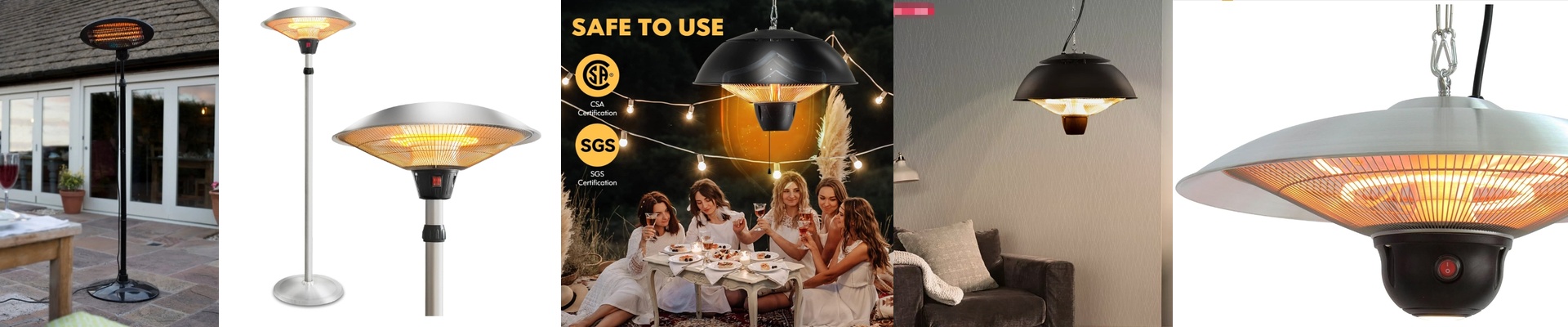
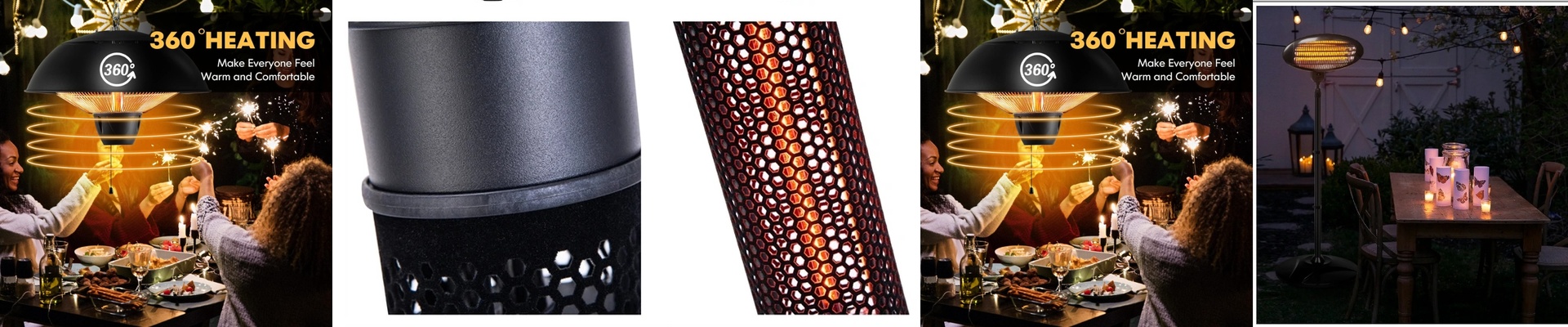
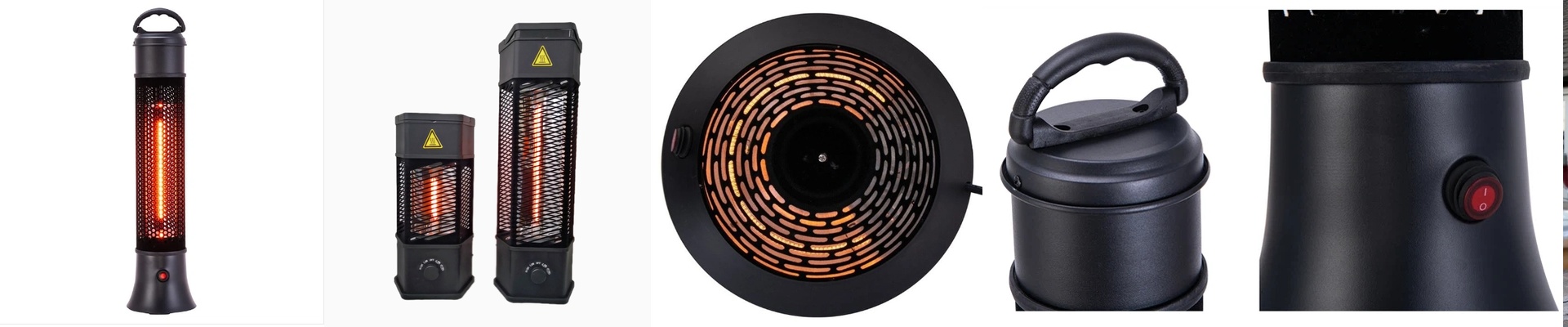
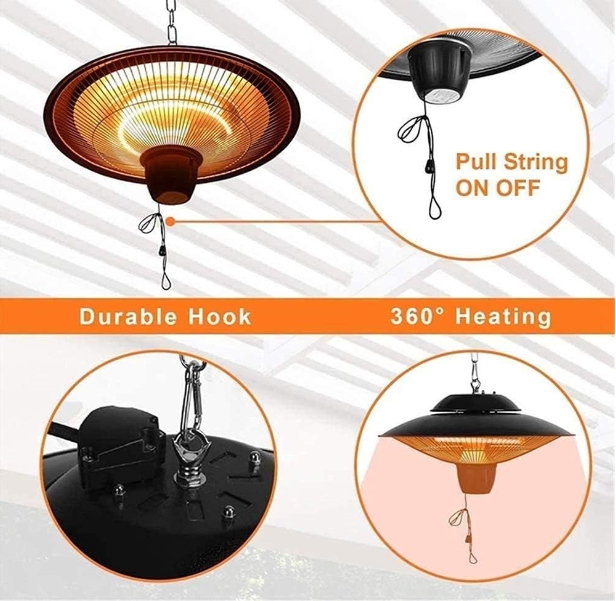
Keeping Your Bathroom Infrared Heaters Safe (And Your Toes Warm)
Putting infrared heaters in a bathroom or under a pergola sounds great until you remember one thing: steam. Water vapor and electricity are a nightmare pairing. When that thick mist hits a scorching hot lamp, you’re looking at a recipe for short circuits or ground faults. It’s a tricky balance, but here is how we actually handle it.
The Secret to Better Insulation
You can’t just throw a plastic shell around a heater and call it a day. That’s not how real-world safety works. We lean on high-temperature silicone seals and ceramic insulators right where the parts touch. These materials act like a wall, stopping electricity from jumping to the metal frame when the air is heavy with steam. And the wiring? That’s where most people mess up. Standard wires will crack or melt under that kind of heat. We use fluoropolymer cables. They’re tough, they handle the thermal stress, and they keep the live wires exactly where they belong—isolated.
Locking Out the Moisture
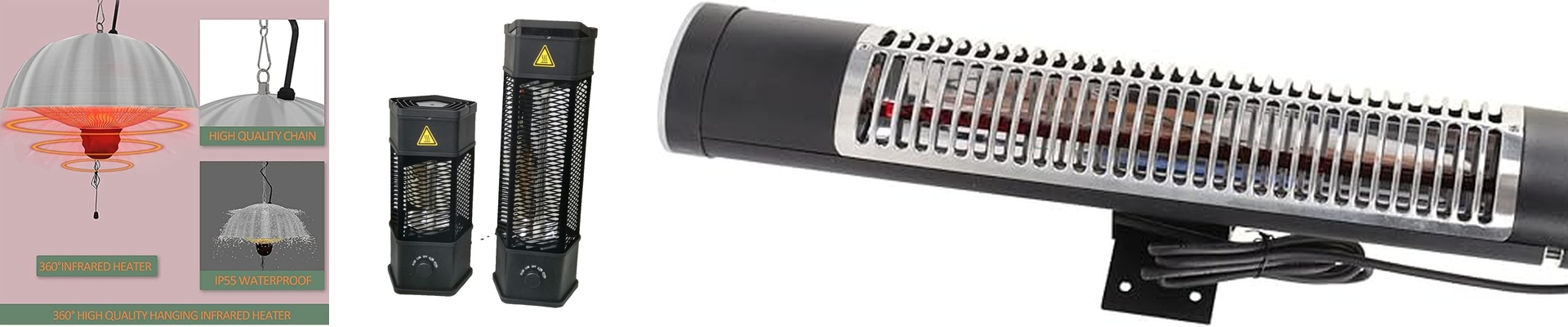
A basic lamp just won’t survive in a steamy shower room. We use IP65-rated housings because they actually keep the droplets out of the terminals. The connection points are usually the first thing to fail. If you use a cheap connector, moisture will eventually sneak in and pop the system. To stop that, we use gasketed seals and tight compression glands. It basically locks the system down so the internals stay bone-dry.
The Balancing Act: Heat vs. Water
Here’s the catch. If you seal a unit too tightly to keep the water out, you trap the heat inside. If that happens, you risk frying your own wiring. It’s a bit of a tug-of-war. We design the housing so it can breathe and push heat out through the aluminum chassis, while still keeping the electrical junctions sealed tight. Plus, always wire these into a dedicated GFCI. It’s your safety net. If there’s ever a leak, the power cuts instantly before anyone gets hurt. Simple as that.