Why Fast-Response IR Lamps Keep Your Glass Line Moving
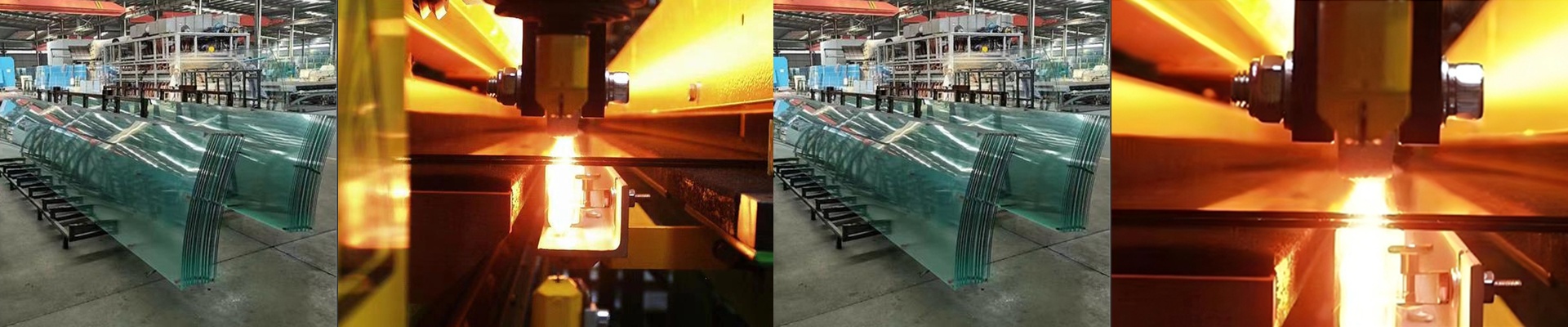
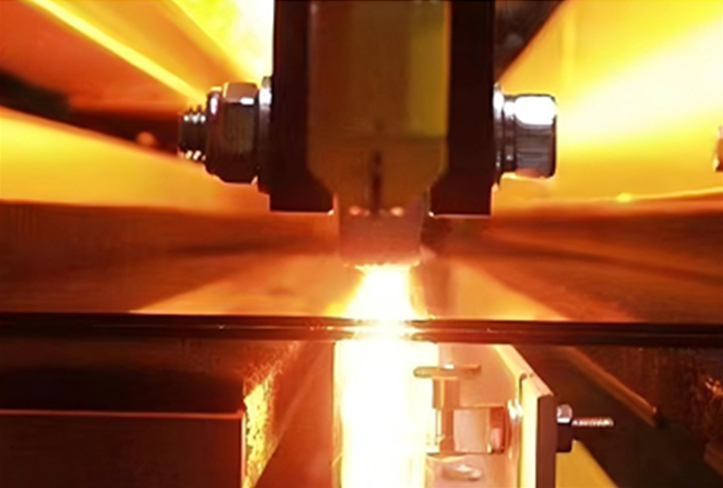
If you’ve ever dealt with glass annealing, you know the struggle. You need the temperature to be perfect to get rid of those internal stresses, but you can’t exactly just hit the pause button on a moving production line. Standard resistive heaters are just too slow. They lag. By the time they catch up to where the temperature needs to be, the glass has already moved on. That’s why we use shortwave quartz infrared lamps. Instead of waiting for the air to heat up, these lamps shoot energy directly into the glass. It’s instant. The secret is in the speed Think of it like the difference between warming up a room with a radiator and stepping into the sun on a cold day. You feel the heat immediately. These lamps use a tungsten filament inside a quartz tube. The second you flip the switch, it hits operating temperature in milliseconds. No more waiting around for “warm-up drift” like you get with ceramic heaters. This gives you total control. If your conveyor slows down, you can drop the power right then and there. No overheating, no warping, no ruined batches. Small footprint, big heat We use high-purity quartz because it lets the IR energy through without blocking it. Plus, it can handle the stress of being turned on and off rapidly without cracking. Because we can pack so much wattage into such a small space, you don’t need a massive tunnel to get the job done. You get your floor space back. A few things to keep in mind It’s not all plug-and-play; there are some trade-offs. First, these heaters pull a lot of power. If you’re running a bank of 2kW lamps, make sure your wiring and contactors can actually handle that peak current. You don’t want to smell burning wires on a Tuesday morning. Also, because the response is so fast, your controllers need to be dialed in. If your PID loop is sloppy, the temperature will bounce around, and you’ll start seeing streaks in your glass. Moving to a real flow The best part? These lamps usually just drop right into the spots where your old heating elements used to be. It changes the whole vibe of the shop. You stop thinking in “batches” and start thinking in a steady, continuous flow. You get a stable temperature across the whole sheet, so by the time the glass hits the packaging stage, you know it’s structurally sound.