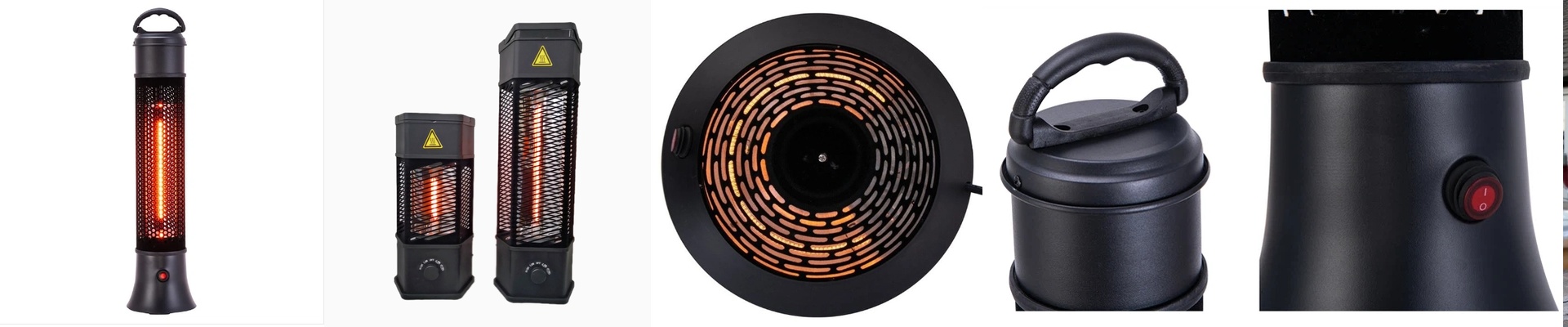
Getting Your Quartz IR Lamps to Play Nice With Your Power Grid
If you’re running glass ovens, you already know that your power grid is the boss. If your quartz infrared lamps aren’t a perfect match for the local voltage, you’re looking at two options: they either burn out way too fast or they just don’t get hot enough to do the job. That’s why we build our lamps to handle the messy reality of industrial power. Whether you’re dealing with 110V, 480V, or 575V, we’ve got you covered.
It’s All in the Filament
Here is the thing: voltage isn’t just a number on a spec sheet. It actually changes how we build the lamp. For a 110V lamp, we use a tungsten filament that’s shorter and thicker. But if you’re running 575V, we go with something longer and thinner. Why? Because we want the same heat output without blowing your circuit. We figure out the exact specs based on how big your oven is and how much heat you actually need. And please, don’t try to wing it with the voltage. If you push too much power into a lamp that isn’t ready for it, the filament will snap instantly. On the flip side, if the voltage is too low, the lamp will just sit there lukewarm, leaving your glass under-processed and useless.
The Trade-offs
We use high-purity quartz glass. It’s the best way to make sure the IR heat hits your workpiece directly instead of getting trapped in the glass. But there’s a catch. That kind of intense heat puts a lot of stress on the connectors. To keep things simple, we use standard industrial terminations. It means you can wire them up quickly and get back to work. Just a heads-up: if you’re using high-voltage tubes (480V and up), they getinsanely hoton the surface. Make sure your housing and cooling fans can actually handle that heat. If they can’t, you’ll end up with warped mounting brackets, which is a headache nobody wants.
Making it Work in the Real World
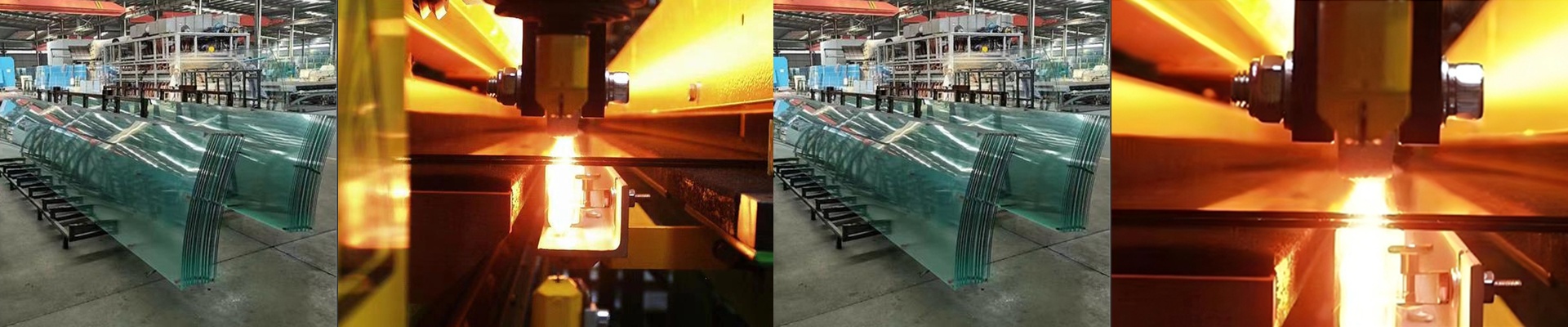
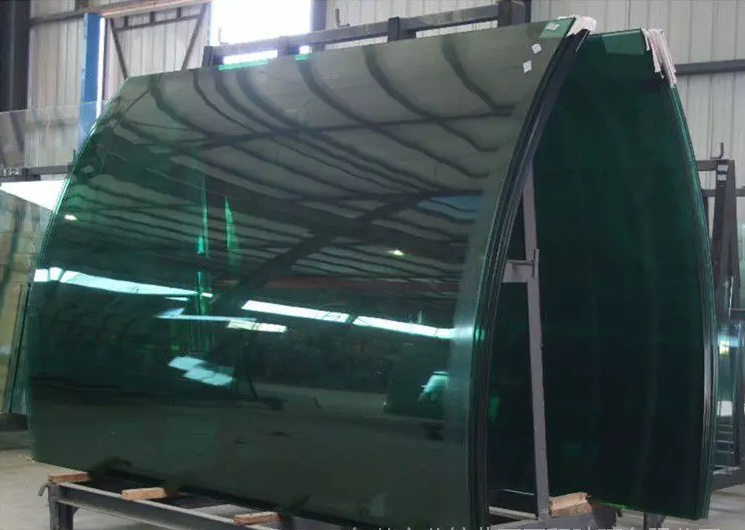
When you’re curing or tempering glass, “close enough” isn’t good enough. You need the heat to be the same everywhere. By tweaking the voltage and the length of the lamp, we make sure the heat spreads evenly across the whole oven bank. No more cold spots. No more stressed glass. And if you’re just replacing old, tired units? We can make drop-in replacements that match your current wiring. You won’t have to tear apart your control panel or spend your weekend rewiring the whole shop. It just works.