Getting High Heat Into Tiny Spaces: Bending Mobile Glass
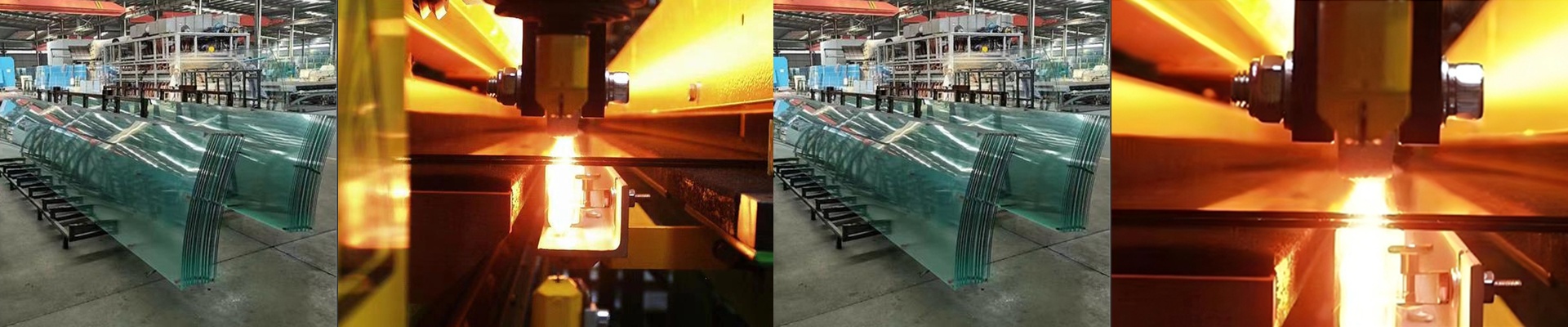
When you’re building a bracket to bend mobile glass, you’re basically fighting two enemies: your power outlet and your desk space. You can’t exactly fit a massive industrial oven in a repair shop. That’s why we use shortwave infrared (IR) lamps. Instead of wasting time heating up all the air in the room, these lamps shoot thermal energy straight into the glass. It’s direct. It’s fast.
The Power Struggle
Here’s the thing about portable rigs: you can’t just keep cranking up the wattage. You’ll fry something. Instead, we focus onpower density. We use high-wattage quartz halogen tubes but keep them small. This concentrates the heat right where it needs to be, so the glass hits that softening point quickly. But be careful with your power supply. If your voltage is limited, you’ve got to play around with the filament length and diameter. Otherwise, you’re just going to keep tripping your circuit breakers.
Picking the Right Gear
We go with high-purity quartz for the lamp envelope. Why? Because it lets the IR light through without blocking it. I always suggest shortwave emitters for this. They dive deeper into the glass and work faster than the medium or long-wave stuff. And since we’re switching these things on and off constantly, heavy-duty electrodes are a must. They keep the lamps from burning out after a few days. One warning: these lamps getscary hot. While the IR energy is doing its job on the glass, the ends of the lamps can easily melt cheap plastic. Don’t cut corners here. Use ceramic insulators and wiring that can actually handle the heat.
The Balancing Act
Shrinking everything down isn’t free. The smaller your heating zone, the more likely you are to get a “thermal gradient”—basically, some parts of the glass get hotter than others. If you aren’t careful, the glass will stress out and crack, or it’ll bend unevenly. The trick is the gap. You need a very specific distance between the lamp and the glass. Too close? You get hot spots. Too far? You’re sitting there forever waiting for it to heat up. It takes a little tweaking to find that sweet spot.