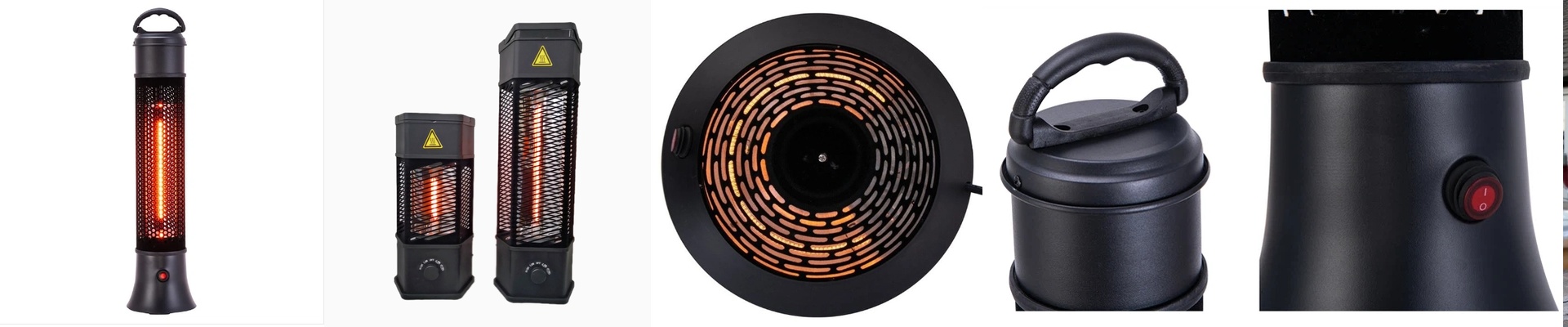
Stop Messing Around with Single Tubes: The Case for Curved IR Modules
If you’ve ever tried cutting glass bottles on a DIY scale, you know the drill. You buy a single infrared lamp, wire it up, and just… hope for the best. You hope the heat hits the glass evenly. You hope it cracks cleanly. But when you’re trying to run a real production line? Hope isn’t a strategy. That’s why we stopped selling just the parts and started building integrated, curved heating modules.
Why the Shape Actually Matters
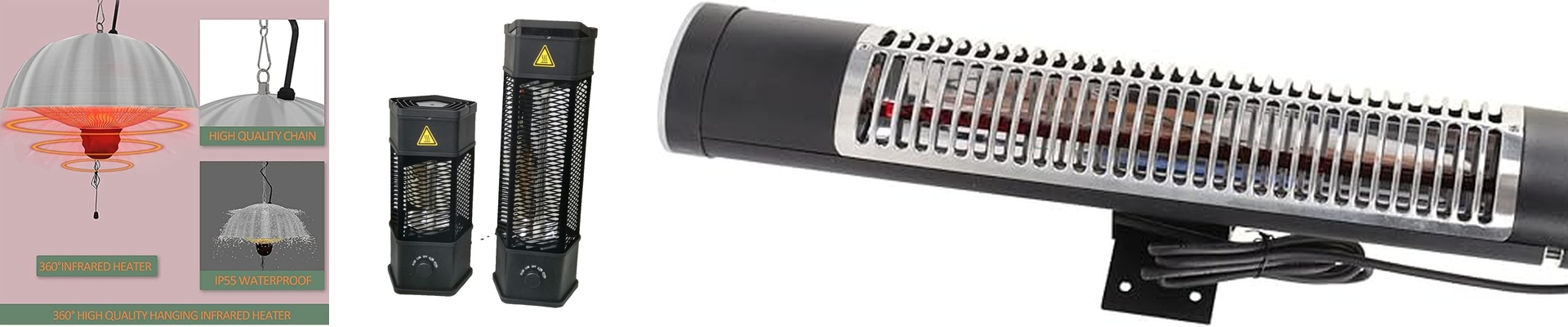
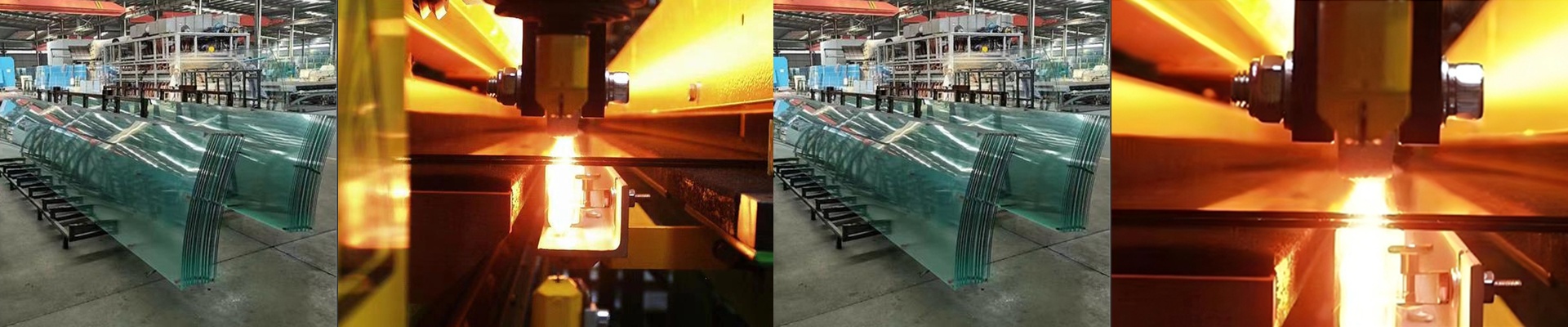
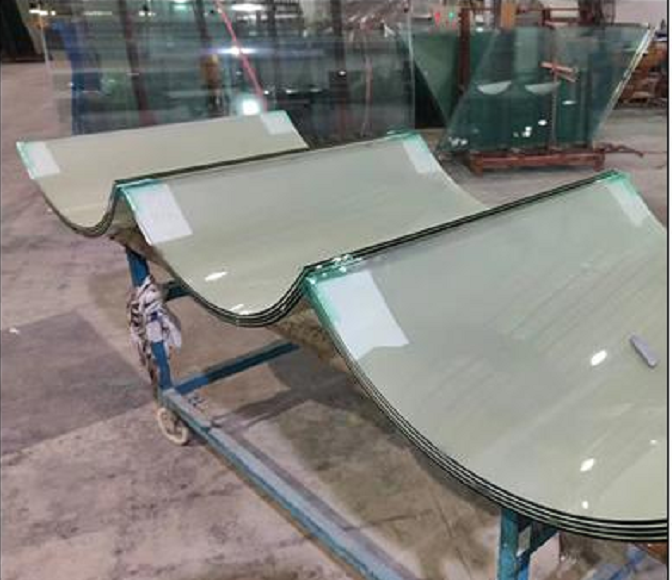
Here’s the thing about a single straight lamp: it creates a hotspot. It’s too concentrated in one spot and too weak in others. When we bend that heating element into a module, we’re basically wrapping the heat around the bottle. It increases the surface area that’s actually doing the work. We’ve tuned these to hit that “sweet spot”—where the glass gets hot enough to snap perfectly, but your equipment doesn’t turn into an oven. Plus, it takes the guesswork out of it. You don’t have to spend hours calculating focal points for a straight tube. We just give you a geometry that already matches the diameter of your bottle. It just fits.
Less Tinkering, More Producing
There’s a big difference between buying a part and buying a solution. When you get a module, you aren’t just getting a lamp. You’re getting the assembly, the wiring, and the brackets. It’s a drop-in replacement. No more wasting an entire afternoon fighting with alignment or messing around with insulation. We also use industrial-grade quartz and special coatings to tweak how the heat hits the glass. We use shortwave IR because it punches through the surface faster. That’s the secret to getting that clean, satisfying snap every single time.
One Important Warning
Now, there is a catch. These high-density modules put out a massive amount of energy in a very tight space. If you cram too many watts into a curve without a plan, you’re going to burn out the lamp ends or, worse, melt your housing. You’ve got to make sure your cooling fans and heat sinks can actually keep up with the output. If your ventilation is weak, the module will overheat and die. It’s a powerful tool, but you have to give it room to breathe.