Stop Just Swapping Lamps—Let’s Talk About Your Heat
Buying a high-end quartz lamp just because the part number matches is a bit of a gamble. Most shops will just slide in a new tube, hope for the best, and pray your cycle times don’t tank. We don’t work like that. Before we even look at a lamp, we look at the thermal footprint of your entire line.
The reality of heating glass
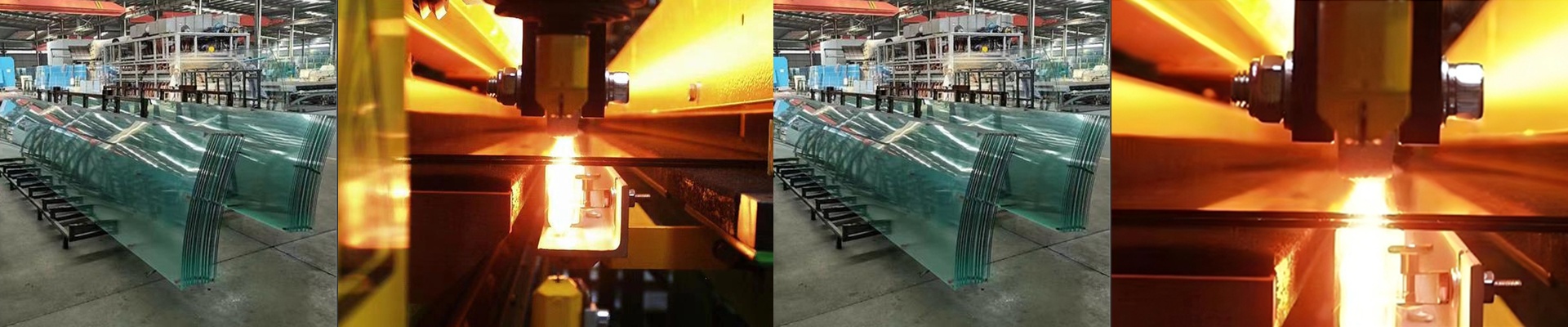
Glass is picky. It needs a very specific kind of heat density to behave. If you throw in a standard shortwave lamp without checking the actual distance to the glass, you’re asking for trouble. You’ll end up with cold spots in some areas and scorched surfaces in others. Then there’s the power. We dig into your voltage and wattage because if your power supply dips, you’re in trouble. Whether you’re running 230V or 400V, it changes how that filament acts. If the voltage doesn’t play nice with the lamp’s internal resistance, you’ll start burning out the ends of the tube way too soon. It’s a waste of money.
The trade-offs no one mentions
We use high-purity quartz to handle the thermal shock, but the “perfect” lamp depends on your glass thickness. Maybe you need a halogen-filled tube so it lasts longer, or a specific coating to shift the wavelength. And let’s talk about the connectors. I’ve seen so many engineers pull their hair out over connector failures. A heavy-duty R7s or Sk15 base usually stops the arcing that kills lamps in shaky, high-vibration environments. But here’s the catch. If you push for maximum wattage just to speed up the line, you’re dumping a massive amount of heat into your reflectors. If your cooling fans aren’t up for that extra BTU load, your housing is going to warp.Period.
A better way to fix it
A catalog can’t tell you why your glass is bowing. That’s why we come to you. We get on-site and measure exactly how the heat is moving across your conveyor. Once we see where the energy is leaking or wasting away, we design a layout that actually hits your target temperature. You get a replacement that drops right in and actually solves the problem.