
How to get the heat without the blinding glare
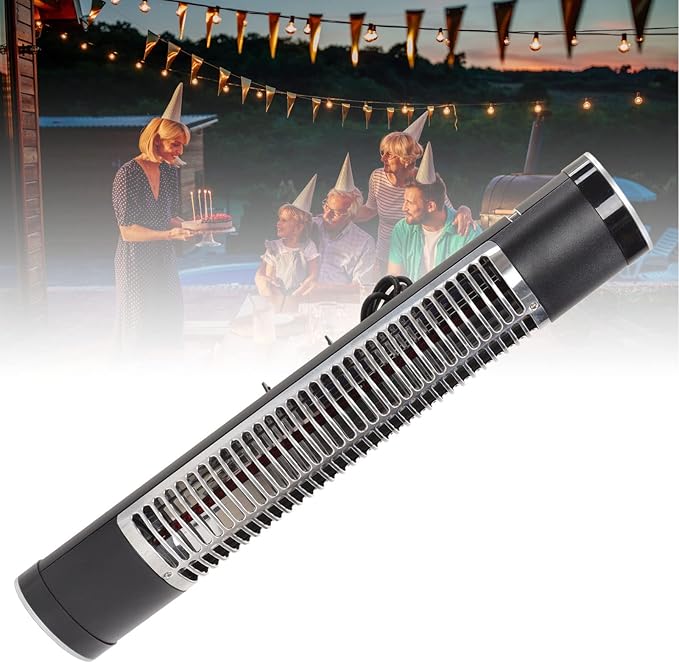
Most bathroom infrared lamps use short-wave radiation to get you warm the second you flip the switch. It works great, but there’s a catch: the glare. If you’re installing these in a room with high ceilings, that light can be blinding. It’s a real problem, especially for kids or anyone with sensitive eyes. Keeping things easy on the eyes To fix this, we shift where the lamp “hits” the spectrum. Standard quartz lamps throw out a lot of visible light and UV, which is what causes that harsh sting. We handle this by using doped quartz glass or special coatings. Think of it like a pair of sunglasses for the lamp. It blocks those annoying blue lights and UV rays but lets the actual heat slide right through. The result? You get all the warmth, but the light stays soft and mellow. The hardware side of things Size actually matters here. If the lamp has a larger surface area, we can spread the power out. This means no “hot spots” that might sting your skin if you get too close. We also stick to high-purity quartz. Bathrooms are humid, and cheap glass clouds over after a few months. High-purity quartz stays clear, so your heater doesn’t lose its punch over time. The honest trade-offs Here’s the thing: you can’t get something for nothing. When you add a coating to block the light, you also block a tiny bit of the heat. It’s a small price to pay for safety, but it means you lose a sliver of raw power. If you’re heating a massive room, just bump up the wattage a bit to make up for it. You won’t even notice the difference. One last tip on wiring Don’t just plug these into any old circuit. These lamps pull a lot of juice the moment they kick on. To keep your breakers from tripping every time it gets cold outside, give them their own dedicated line. Your electrical panel will thank you.