Stop Losing Money Every Time the Temperature Drops
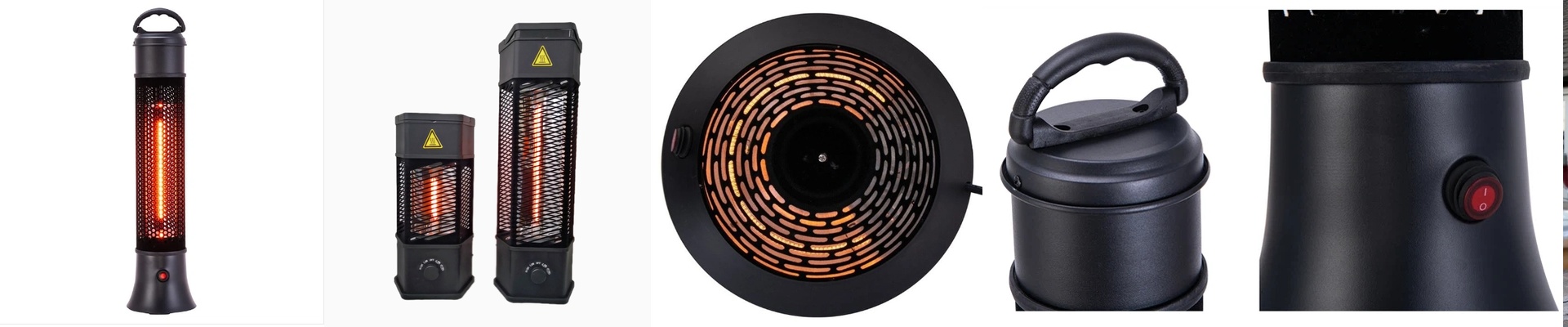
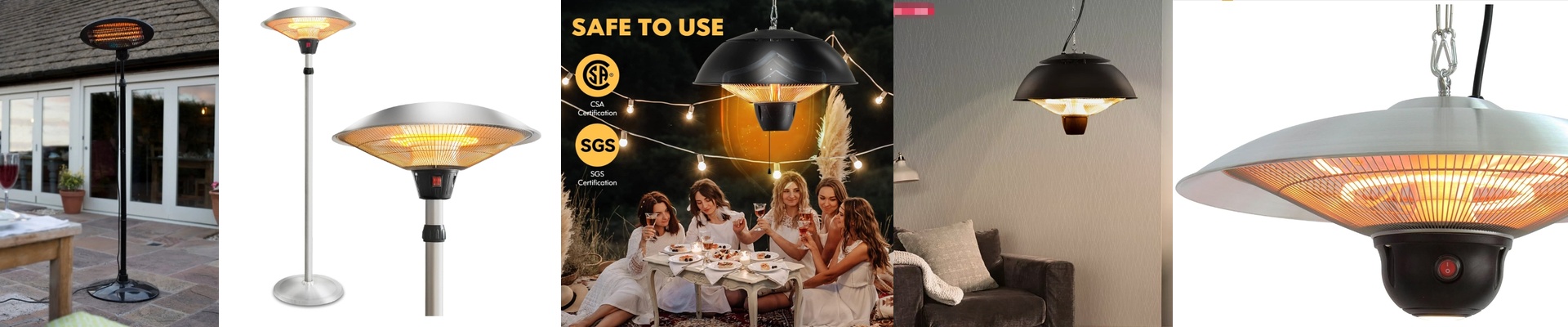
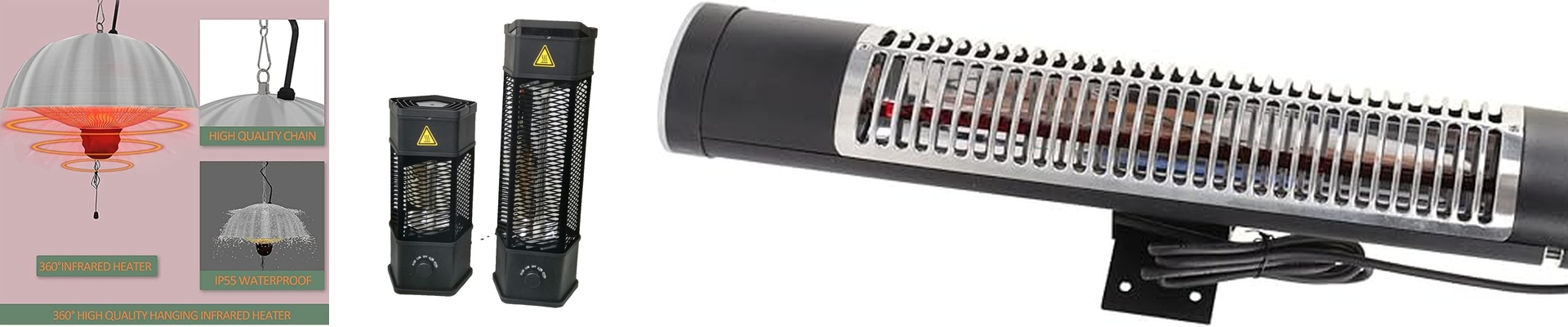
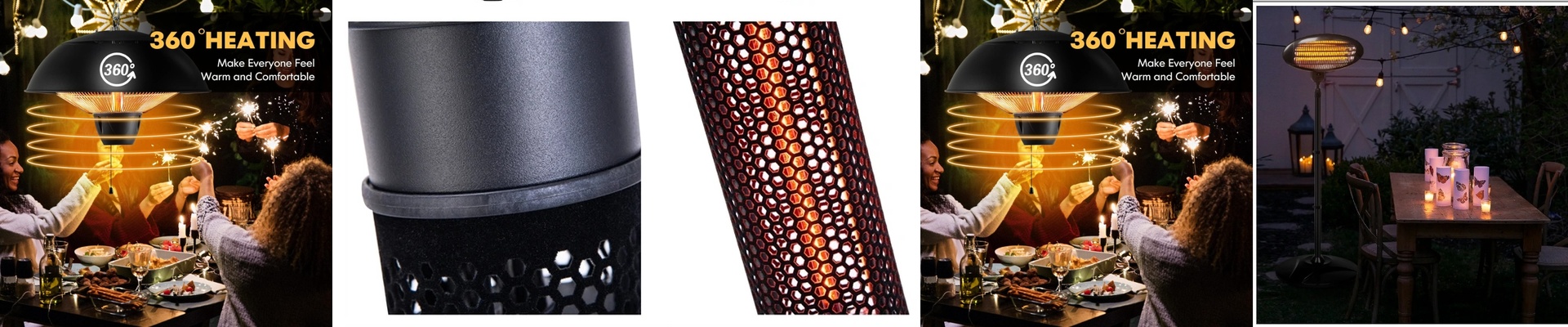
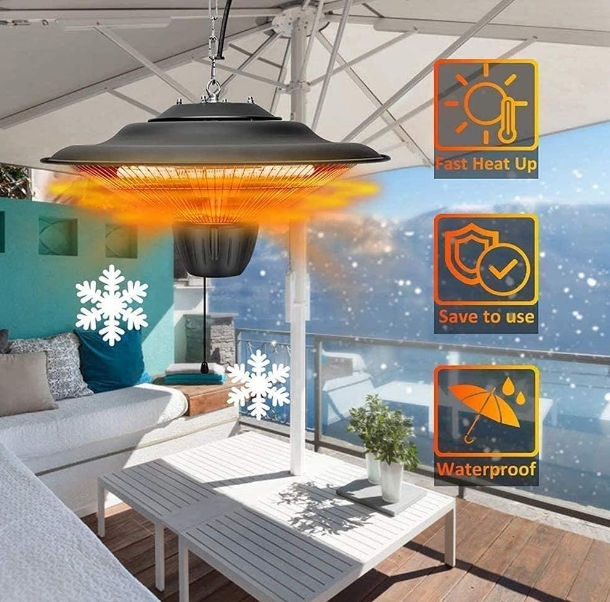
Let’s be honest: winter is a nightmare for any restaurant with a patio. You’ve got all this great outdoor space, but as soon as it gets chilly, it becomes a ghost town. Most people try to fix this with those big forced-air heaters. The problem? They’re trying to heat the air. But outdoors, the wind just carries that warmth away before your guests even feel it. It’s a waste of electricity and a headache for your staff. That’s why we lean on ceiling-mounted infrared heaters. Instead of fighting the wind, these things beam heat directly onto your customers and their chairs. It feels like sitting in a patch of sunlight on a crisp day.
Why This Actually Works for Your Bottom Line
Infrared heat travels in straight lines. By setting these up in a grid on your ceiling, we create these little “warm zones” right over the tables. The moment a guest sits down, they feel it. No more “cold shock” that makes people want to rush through their meal or beg to move inside. When people are comfortable, they linger. They order that extra round of drinks or a dessert they weren’t planning on. Plus, it makes your life easier. When the patio is actually usable, your seating capacity stays steady all year. You aren’t scrambling to cram everyone into a crowded dining room just because it’s 40 degrees outside.
Getting the Setup Right
You can’t just slap these on the ceiling and hope for the best. We have to look at how high your ceiling is and how much wind you’re dealing with. If the heaters are mounted too high, you need more power to make sure the heat actually reaches the table. We usually pick between short-wave or medium-wave emitters depending on whether your patio is totally open or has some cover. It’s a bit of a balancing act. Too little power and your guests are still shivering. Too much, and the people sitting directly under the lamp start feeling like they’re in a sauna.
The Not-So-Pretty Side (The Logistics)
Here is the catch: these units are power-hungry. You’re going to need a dedicated circuit. If you try to plug these into your existing setup, you’re probably going to trip a breaker right in the middle of the Friday night dinner rush. That’s a disaster nobody wants. And before you start drilling, make sure your ceiling can actually handle the weight and the heat. It sounds obvious, but it’s better to check now than to have a heater sag or scorch your ceiling later.