
Stop Letting Your Annealing Oven Slow You Down
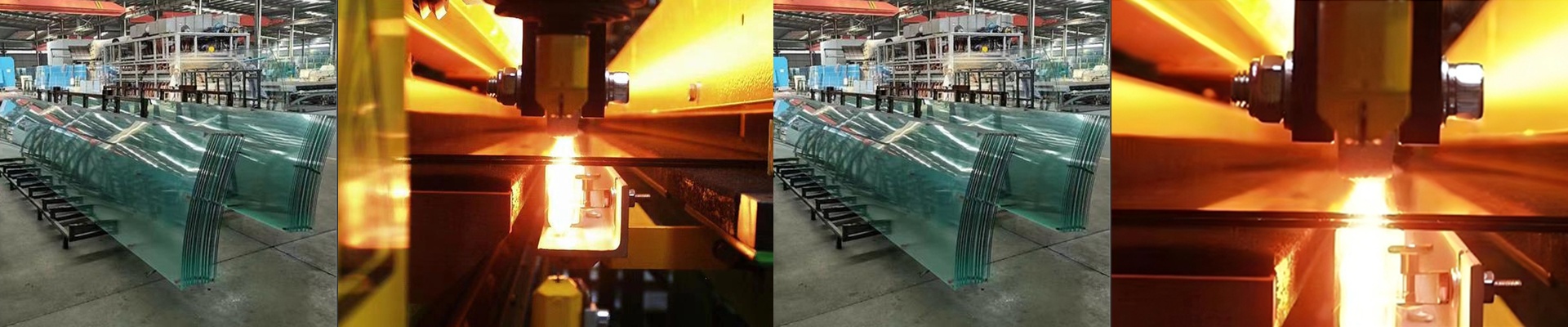
Anyone who works with glass knows the headache of internal stress. If you don’t get the temperature just right, your pieces warp or, worse, shatter. For a long time, the only way to fix this was to shove everything into a massive oven and wait. It’s a total bottleneck. We’ve found a better way. By using shortwave infrared (IR) lamps, you can move the whole process right onto the production line. No more waiting. Just continuous flow.
Why IR actually works
Here’s the thing: traditional ovens rely on convection, which is slow. IR is different. It uses radiation, so the heat hits the glass almost instantly. We build these lamps to hit operating temperature in seconds. It’s fast. Really fast. And that changes everything for your workflow. You aren’t staring at a giant chamber waiting for it to warm up. The energy sinks into the glass quickly, making sure the core is hot enough before the piece even moves to the next spot on the belt.
The nitty-gritty stuff
If you’re dealing with thick-walled glass, you need a lot of heat in a small space. To handle that, we use high-wattage lamps and high-voltage setups. This lets us pack a ton of power into a tiny footprint, so your conveyor line doesn’t have to stretch across the entire warehouse. We also use quartz envelopes. Why? Because these lamps cycle on and off constantly, and quartz can handle that thermal shock without cracking. And since we know maintenance is a pain, we use R7s or Sk15 connectors. They’re basically plug-and-play. If a lamp burns out, your team can just swap it for a new one without having to rewire the whole rack.
A few things to watch out for
Now, these lamps put out a massive amount of heat—and not all of it goes into the glass. The housings get hot. If you don’t get your cooling fans and ventilation sorted, you’re going to kill your lamps way sooner than you should. It’s a simple fix, but it’s a big deal. One pro tip: keep an eye on the current draw. When you see the amperage start to dip, that’s usually the filament telling you it’s about to quit. Also, make sure you have proper shielding in place. You don’t want your operators staring directly into the IR light all day.