
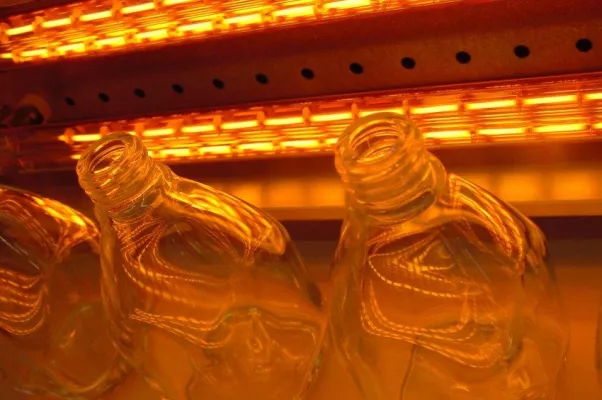
The Tightrope Walk of Glass Annealing
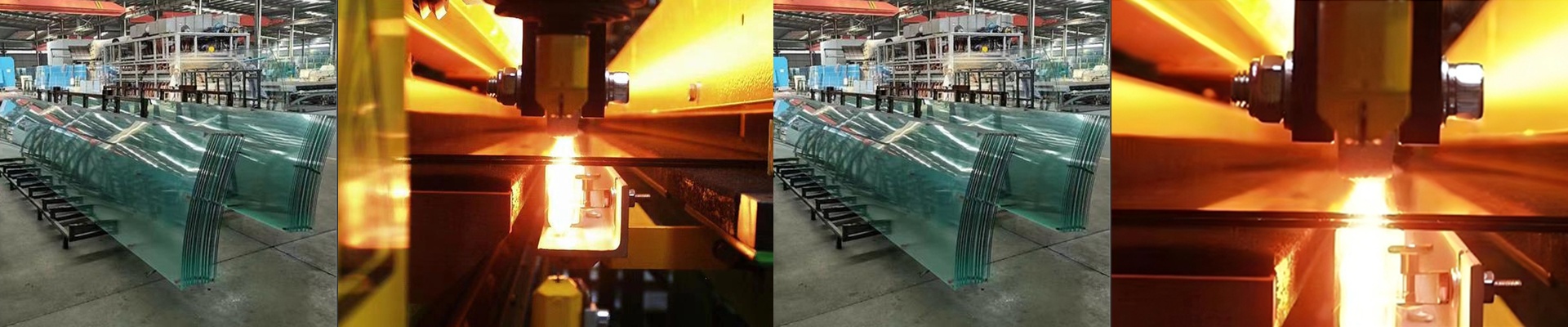
When you’re working with lab-grade glass, the margin for error is basically nonexistent. We’re talking about a window so small that a single degree can be the difference between a perfect vessel and a pile of shards on your floor. To get it right, we use high-precision infrared lamps to guide the glass from its softening point down to the strain point. If your heat source drifts by even 2℃, you’re essentially locking in internal stress. And that’s how you get “spontaneous failure”—which is just a fancy way of saying the glass explodes for no apparent reason.
Why 0.1℃ Actually Matters
Most standard IR heaters just jump around too much. They aren’t steady enough for precision glassware. To keep things locked in at 0.1℃, we pair short-wave infrared elements with tight PID loop controllers. It’s the only way to make sure the glass heats up evenly. You can’t just throw it in a hot oven and hope for the best. You need that direct IR radiation to soak straight through the glass wall. Otherwise, you get a nasty temperature gap between the inside and outside of the glass, and that’s where the trouble starts.
The Gear and the Heat
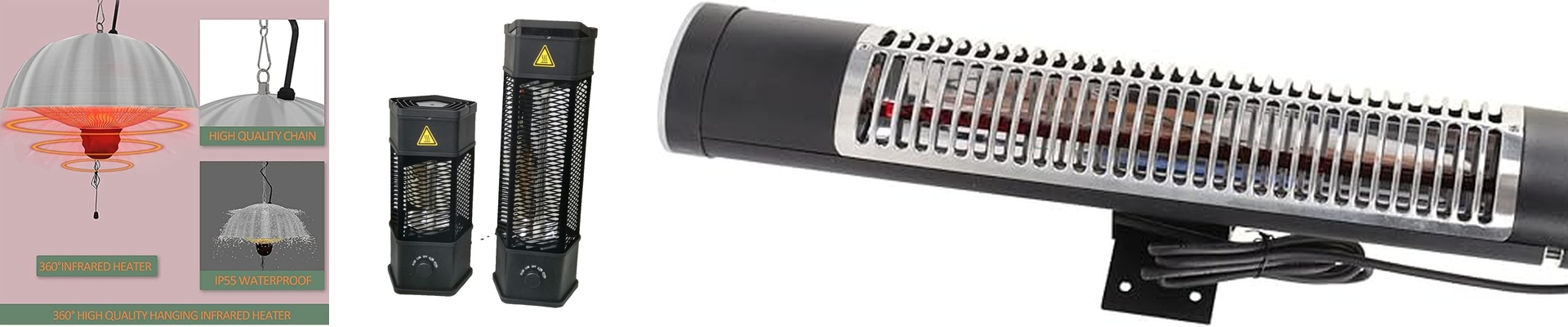
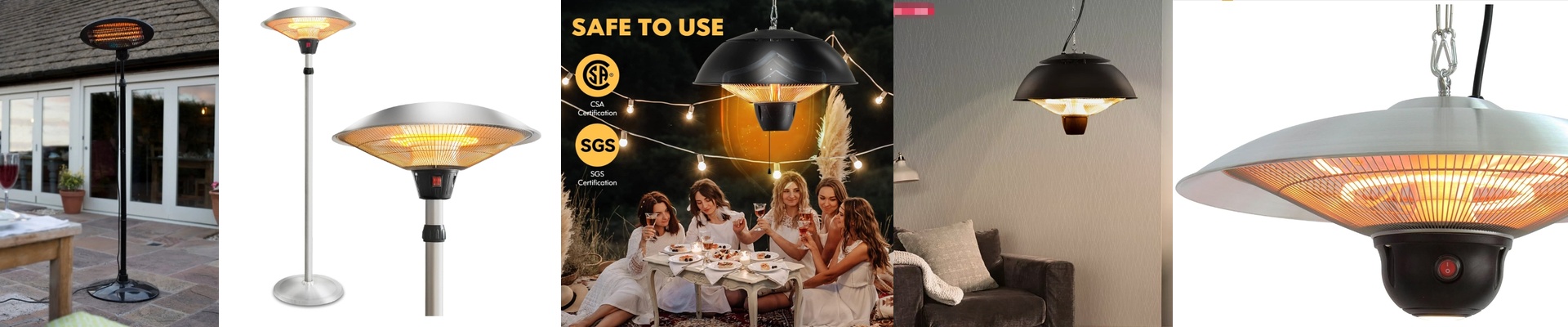
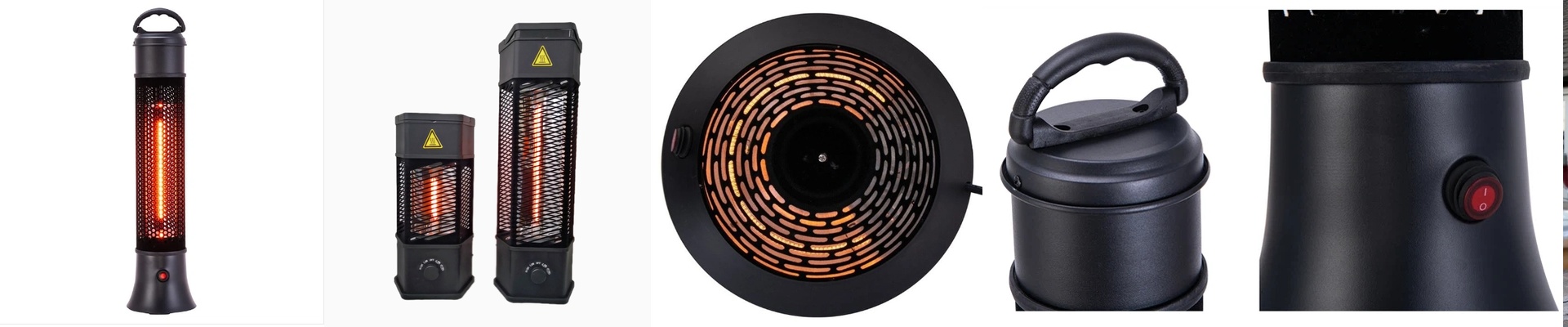
We usually go with quartz-halogen lamps. Quartz is great because it can handle the heat without softening itself. Now, the wattage depends on how much glass you’re moving. Higher watt-density lamps get you up to temperature faster, but you have to be careful. If the lamp is too close or the power is cranked too high, you’ll get “hot spots.” Localized thermal expansion is the enemy here—it completely ruins the annealing process.
The Real-World Trade-offs
Getting this level of precision isn’t free. Running these lamps at a constant, low-power hum to maintain that tiny 0.1℃ window puts a lot of pressure on your power supplies. You’ll want high-quality SCRs or PWM controllers. If you don’t, the power flickers. Those flickers cause micro-oscillations in temperature, and suddenly your precision is gone. Also, a word of warning: these lamps are fragile. One clumsy move during installation or a bracket that isn’t quite tight can crack the quartz. Keep a few spares on the shelf. Trust me, you don’t want to be staring at a broken lamp while your production line sits idle.