Stop Your Glass From Snapping: The Secret is in the Spectrum
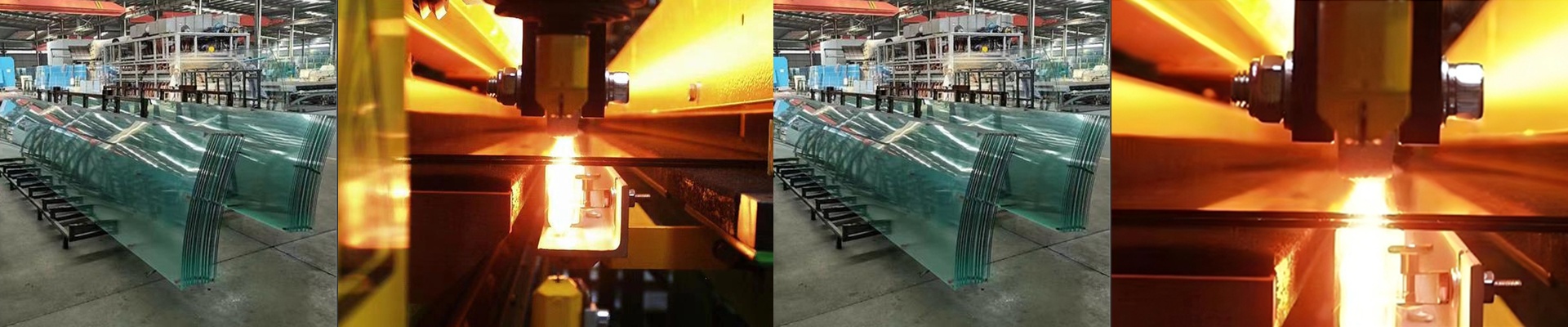
We’ve all been there. You’re annealing glass, everything looks fine on the outside, and then—crack. It happens because the surface is getting blasted with heat while the core is still cold. That temperature gap creates a massive amount of internal tension. If the heat doesn’t actually soak into the center of the material, the glass just can’t handle the stress. Most standard IR lamps are the culprit here.
Why “Off-the-Shelf” Doesn’t Work
Here’s the thing: most IR heaters just throw a broad spectrum of energy at the glass and hope for the best. But glass isn’t just one thing. Depending on the oxides or colors you’ve added, your glass has specific “absorption peaks.” Think of it like a lock and key. If the lamp’s wavelength doesn’t match the glass chemistry, the energy just bounces off the surface or sits on the “skin.” It never actually gets inside. That’s why we customize the spectrum. We shift the wavelength to hit those specific absorption peaks. Instead of just searing the outside, the heat actually penetrates deep into the substrate. It closes that gap between the surface and the core, which is the only real way to stop thermal shock from ruining your batch.
Power Isn’t the Answer
A common mistake is trying to fix this by just cranking up the wattage. Don’t do that. If your spectrum is mismatched, more power just means you’ll burn the surface faster. It doesn’t help the core at all. Instead, we tweak the emitter materials and coatings to narrow the spectral band. It’s a surgical approach. You actually end up using less power because the heat is going exactly where it needs to go. But there is a catch. Narrow-band emitters are a bit more sensitive. If your voltage jumps around, you’ll see it. You need a rock-solid power supply to avoid any flickering, otherwise, you’re just introducing new thermal cycles into the glass.
The Real-World Trade-offs
Getting the spectrum right solves the penetration problem, but it does change how your line runs. These specialized lamps don’t always ramp up as fast as your old shortwave quartz tubes. You can’t just swap them in and walk away. You’ll need to spend some time tweaking your conveyor speeds and soak times to get the heat transfer just right. If your timing is off, you’ll end up with an under-annealed center. Take the time to calibrate, and you’ll stop worrying about those costly breaks.