Why Your Glass is Warping (And Why Your Lamps are Likely to Blame)
When you’re annealing a batch of glass, you just want one thing: a steady, even temperature drop across the whole load. Simple, right? But here’s the problem. If your infrared lamps aren’t putting out the exact same amount of heat, you end up with “hot spots” and “cold zones.” It’s like trying to bake a cake in an oven that’s freezing on one side and scorching on the other. You get internal stress, uneven tempering, and a lot of wasted material. We see this happen all the time when shops try to save a few bucks by mixing and matching lamps from different vendors.
The Trouble with “Close Enough”
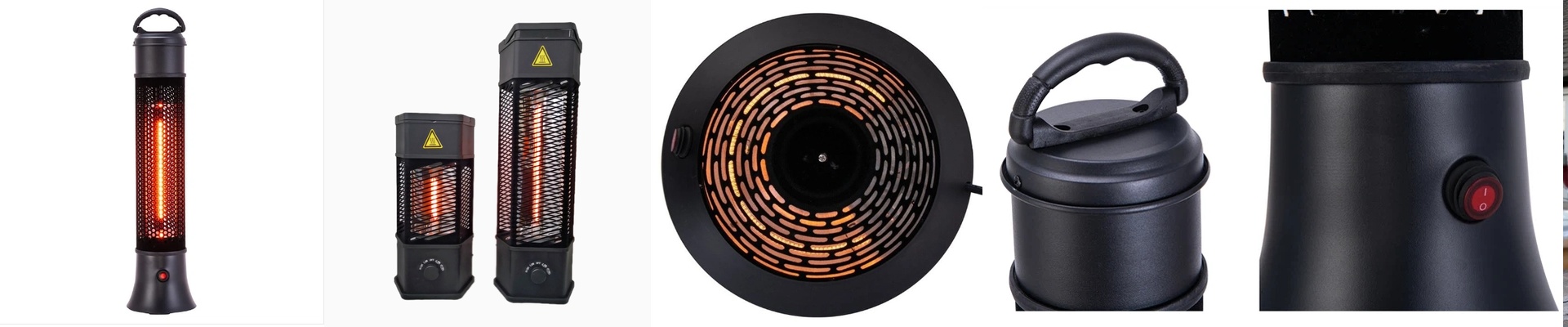
A lot of people look at a tube IR lamp and only care about the wattage. But the real killer is the variance between the tubes. Think about it. If you’ve got a bank of twenty lamps and there’s just a 5% difference in power from one to the next, you’ve just created a temperature gradient. In the world of glass, that’s a recipe for warping. That’s why we obsess over the tiny details—like how the filament is wound and the thickness of the quartz envelope. If those aren’t dialed in, you won’t get the same heat output across the board, even if the voltage is identical.
The High-Wattage Trap
To get the heat you need for annealing, you have to use high-density quartz filaments. They move a ton of energy. The upside? Your ramp-up time is incredibly fast. The downside? It puts a lot of pressure on your power supply. I’ve seen people try to “fix” a weak lamp in an array by pushing the others to their absolute limit. Don’t do that. You’ll just burn out your filaments faster. You need the load to be balanced across the entire zone, or you’re just fighting a losing battle.
Stop Chasing the “Sweet Spot”
Here is my advice: stop thinking of your lamps as cheap consumables. Start treating them like precision tools. When you use lamps with a matched spectral output, your annealing cycle stays the same whether it’s the first batch of the day or the thousandth. You can stop fiddling with your controller, trying to find that elusive “sweet spot,” because your hardware is actually stable. If you notice your quality drifting between batches, don’t go diving into your PID controller settings first. Check your lamps. More often than not, the software is fine—it’s the hardware that’s letting you down.