Mastering Laminated Glass Drying on Long Lines
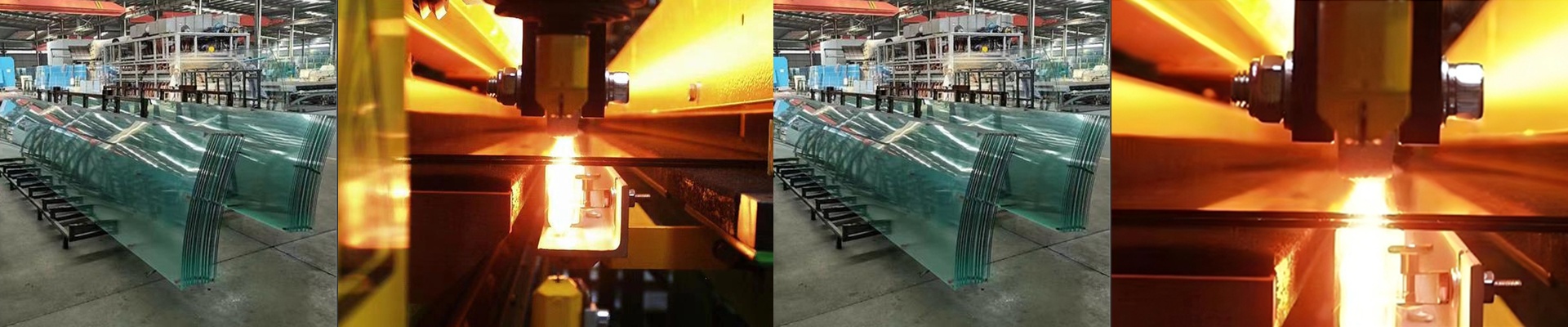
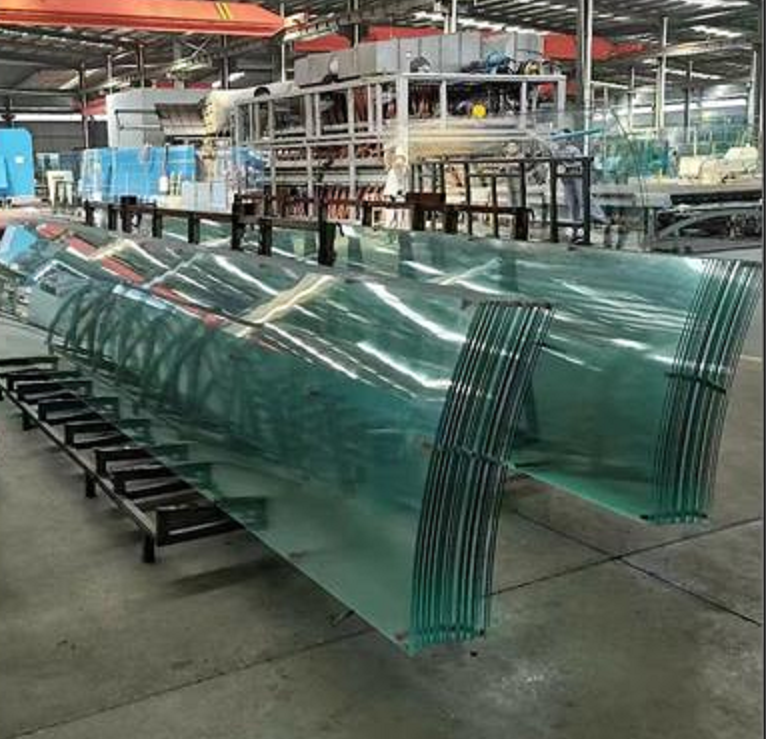
We built this system for the real world of long glass coating lines. You know the drill: the line is moving fast, and you’ve got to hit an exact temperature curve at every point. Traditional ovens just can’t keep up. So we took a different approach. We use shortwave infrared halogen lamps, and each zone has its own temperature control. This means you can match the heat to exactly what the coating or adhesive needs. No more guessing. Just a consistent, repeatable cure every single time.
The Inside Story: Power, Voltage, and Size
We spec the lamps to deliver the heat where you need it, without tripping over the line’s power limits. For industrial runs, 400V is the standard because it keeps the current manageable over long cable runs. That means less voltage drop, so the heat doesn’t fade out at the end of the array. The 2500W rating? That’s all about heat density. It gives you the punch needed to quickly drive out solvents and kickstart the cross-linking. And the 300mm tube length is just right—long enough to cover a wide area, but short enough to let you stack zones and really shape the heat profile. Here’s the trade-off, though. High heat density means your enclosure and cooling have to be up to the job. If you don’t manage the ambient heat, the electronics and reflectors will start to run way too hot.
The Materials and Design: Halogen, Coating, and R7s
The halogen elements are built for the heat. They stay stable at high temps, which is crucial when you’re trying to match a specific cure curve to your line speed. And the quartz tubes can take the shock of rapid on/off cycling without cracking. That reflective coating isn’t just for looks. It focuses the infrared energy forward, which cuts down on wasted heat and protects the parts around it. The result? More consistent results from zone to zone. Then there’s the R7s connector. It’s a practical, shop-floor choice. It’s a compact, two-pin design that wires up fast and holds its alignment, even in a moving fixture. It keeps the lamp locked in place, so you don’t have to worry about losing contact mid-run.
On the Line: Precision Curve Control
On a laminated glass line, you’re essentially following a thermal recipe. With zone control, you can ramp up the heat in the first section, hold steady in the middle, and then cool things down at the end. It prevents you from overcooking the edges while the center is still under-cured. You get a system that responds faster than an oven, uses less energy, and takes up far less space. It’s designed to drop right into your existing line. And these lamps can take a beating, delivering steady output shift after shift, so your process stays right on spec.