Stop the Chipping: Why a Little Heat Goes a Long Way
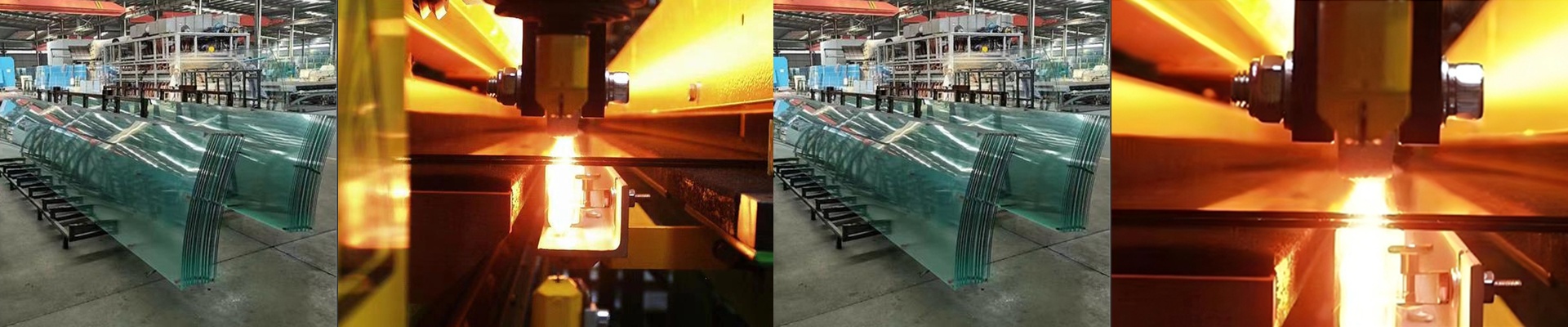
Cutting cold glass is basically a gamble. When that cutting wheel hits the surface, it creates a tiny, high-stress point. If the glass is too cold, the crack doesn’t behave. It jumps. It wanders. And that’s how you end up with those annoying chips or “corner blowouts” that ruin a perfectly good piece.
The Trick to a Cleaner Break
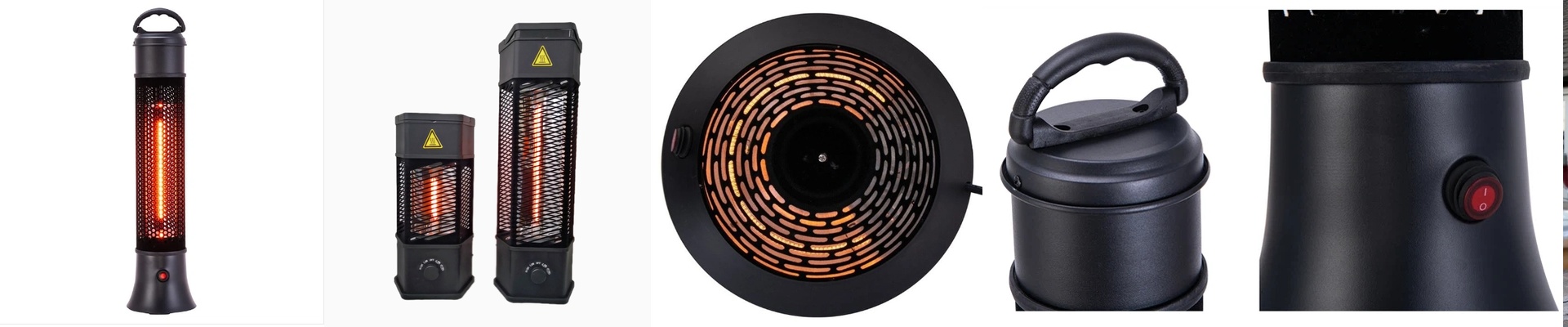
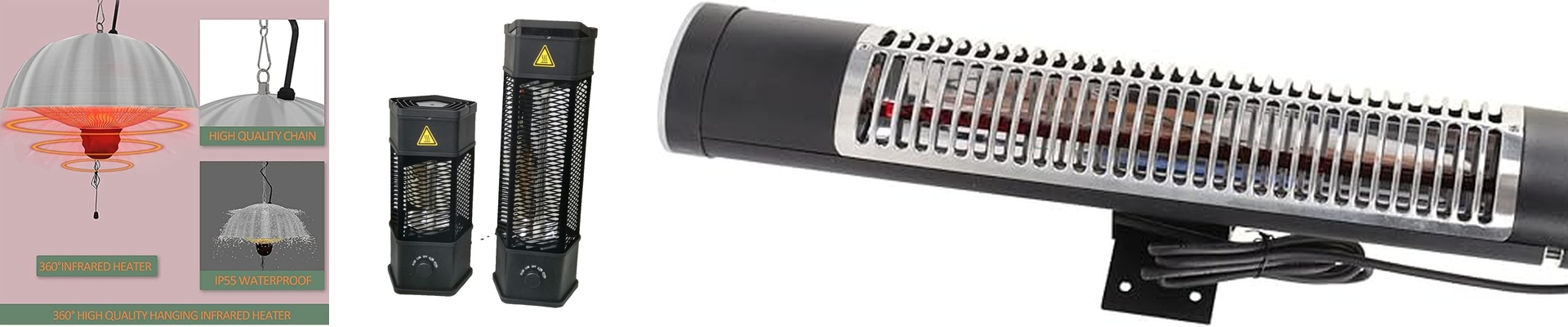
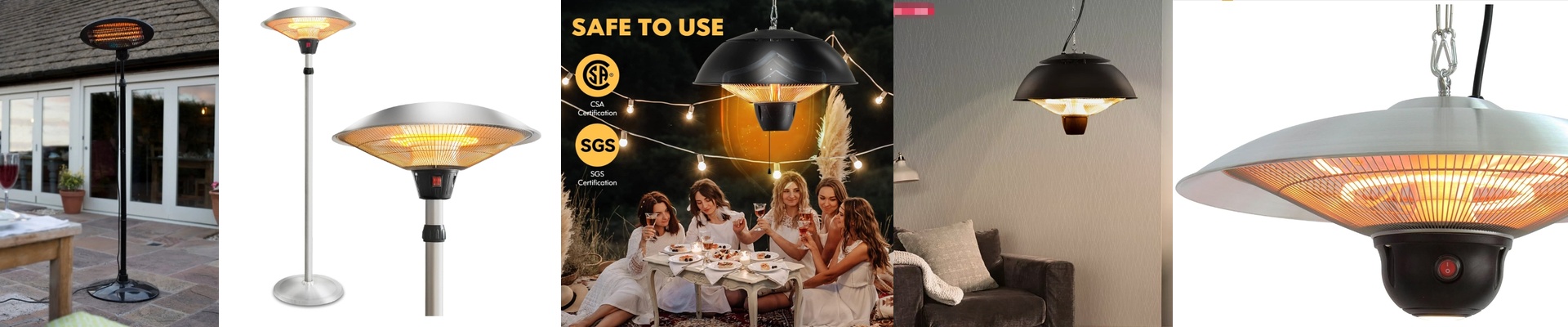
We use short-wave infrared (IR) lamps to warm up the surface right before the blade makes contact. You aren’t trying to melt the glass here. You’re just relaxing it. By warming the material, you lower the internal tension, which helps the score line stay steady. When it comes time to break the glass, it actually follows the path you set for it.
Why IR Lamps?
You could use a standard oven, but who has time for that? You can’t just park a production line for twenty minutes while a sheet warms up. IR lamps are different. They send radiant energy straight into the surface instantly. We usually set these up for high heat density so the glass hits the right temperature in a matter of seconds. But there’s a catch. You have to balance your wattage with how fast your conveyor is moving. If you crank the heat too high, you’ll get thermal shock. Then the glass cracks before you even touch it. To stop that from happening, we suggest using a graduated heating zone—basically, warming it up in stages.
The Practical Stuff
Keep in mind that high-wattage IR arrays are power-hungry. Check your electrical panels to make sure they can handle the load. And don’t forget the airflow. Those lamp housings get hot. If you don’t have good cooling fans and proper ventilation, the lamps will burn out way faster than they should. It’s one of those things you can’t afford to skip.