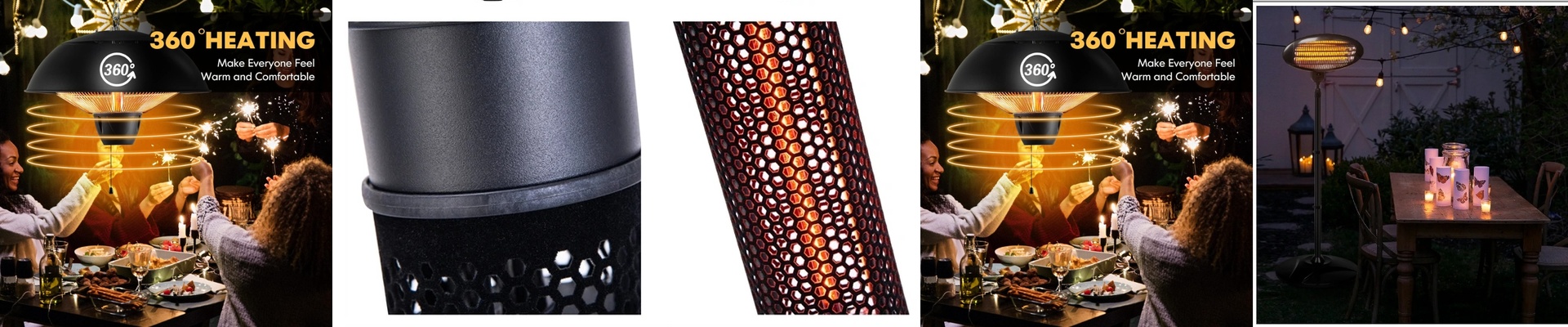
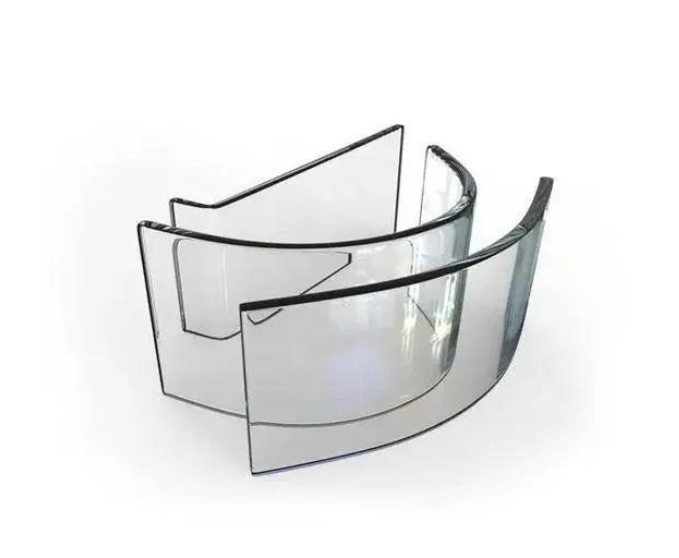
Here is the truth about “cheap” glass annealing lamps: they usually end up costing you way more in the long run. Most people just glance at the wattage and the length and call it a day. But that’s a mistake. If you toss a low-grade tube into a precision lehr, you’re playing a dangerous game with your glass. One wrong spot of uneven cooling and—snap—you’ve got internal stress fractures. Not a great look for your production line. Let’s talk about heat density. Wattage is only half the story. What actually matters is the ratio of voltage to length. When you cram high wattage into a short quartz envelope, you get intense heat density. It’s great for heating things up fast, but it absolutely hammers the filament. That’s why we use heavy-gauge tungsten. It keeps the filament from thinning out and popping prematurely. Also, please, double-check that your power supply matches the lamp’s impedance. If they don’t play nice together, you’ll be replacing your tubes every few weeks. Then there’s the quartz. The material of the envelope changes everything about how the heat actually hits your glass. Clear quartz lets short-wave IR dive deep into the material. Coated tubes? Those push the energy into longer waves for surface heating. We stick with high-purity fused quartz because it can handle the thermal shock. Cheap stuff with impurities will either cloud up or just crack the moment you cycle the power. We also use standard R7s or SK15 connectors. Why? Because a loose fit leads to arcing, and nobody wants a melted socket on their hands. The trade-off you need to consider. High-intensity lamps get the job done and stop your glass from deforming, but they put a massive heat load on your machine’s chassis. If you’re running a 2000W+ tube, your cooling fans and venting need to be on their A-game. We don’t just throw a part in a box and ship it. We actually look at your thermal footprint. We’ll check your reflectors and your spacing to make sure the heat is hitting the glass, not baking your equipment.