The Hidden Weak Point in Outdoor Heaters
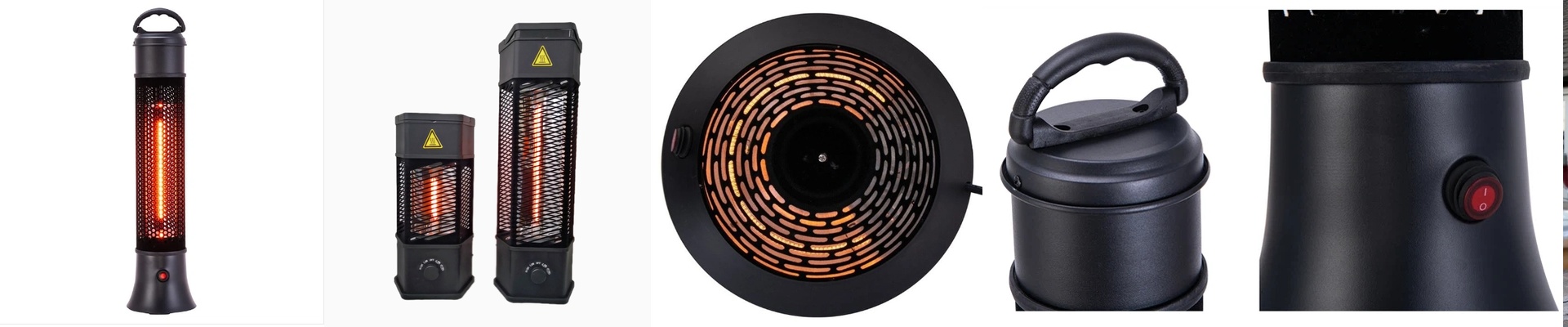
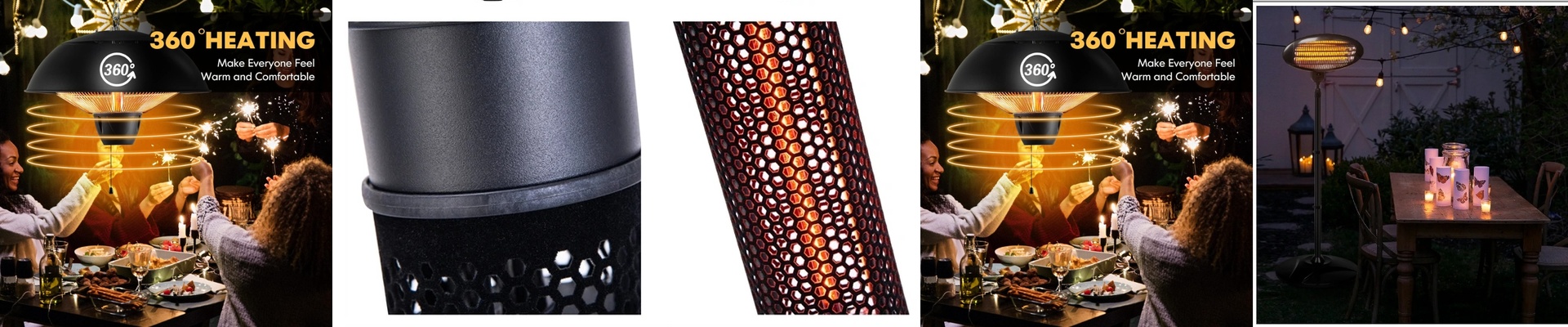
If you’ve ever run a patio or a bar, you know the deal. Your outdoor heaters live a rough life. They get blasted by rain and then immediately hit with extreme heat. Most people think the heating element is what gives out first. But honestly? The real drama happens at the connection point—right where the lead wires enter the quartz tube. Here’s the thing: if that seal isn’t perfect, moisture sneaks in. Then, the moment you flip the switch, that trapped water turns into steam. It eats away at the insulation, chars the wires, and—boom—you’ve got a short circuit.
How we actually fix the seal
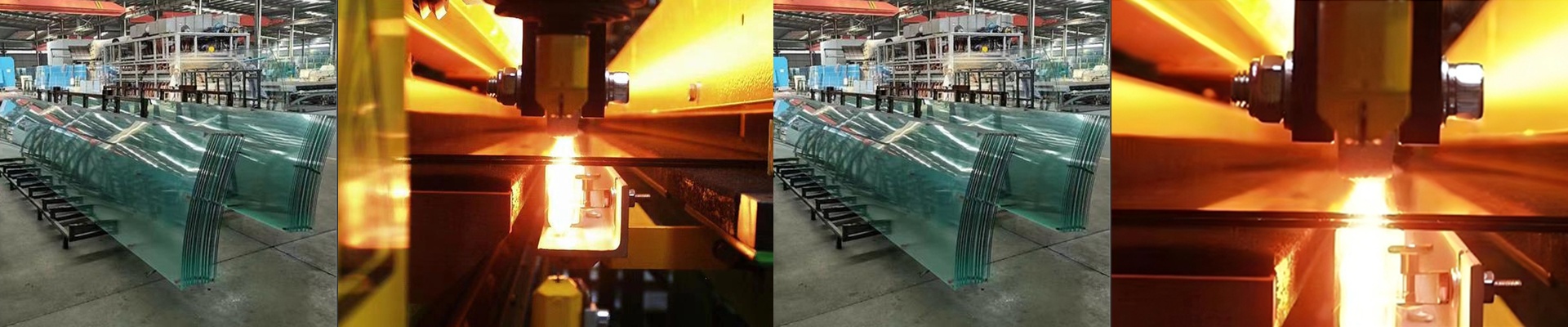
A lot of the cheap heaters you find online just use basic silicone glue or some low-temp resin. It works for a while, but those materials just can’t handle the heat. They burn out after a few dozen uses. We do things differently. We use industrial-grade glass-to-metal seals or specialized ceramic potting. It creates a total barrier that water just can’t get through. But it’s a balancing act. Quartz glass and copper wires don’t expand at the same rate when they get hot. If the seal is too stiff, the glass snaps. Too soft, and it leaks. We spend a lot of time making sure our seals stay tight even when the tube is glowing at peak temperature.
Why the process is everything
You’ll hear people talk about “OEM-grade” builds. In plain English, it just means we don’t cut corners on the assembly line. Cheap setups usually skip the vacuum-sealing stage and just slap some adhesive on the surface. We use a multi-stage curing process for the wires. Why? Because it keeps the insulation from getting brittle. Brittle wires crack. Cracked wires arc. And if you’re running a high-wattage unit where the heat is concentrated right at the terminals, that’s usually where things go south.
The trade-off
Now, there is a catch with making something totally waterproof. When you fully “pot” the lead-wire assembly to keep water out, it adds some bulk. It also means the heater is a bit tougher to fix in the field. You can’t just strip a wire and solder it back together if a cable gets severed; you’ll probably have to replace the whole heating assembly. It’s a choice between having something that’s incredibly safe and durable long-term, or something that’s easier to tinker with. For us, the electrical safety is the priority.