Stop Your Glass From Cracking: The Magic of Rapid-Response IR
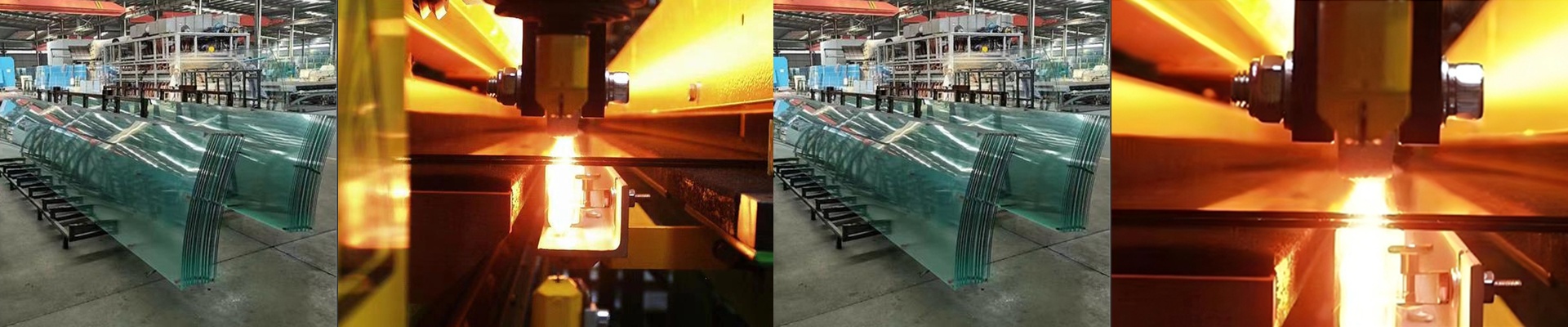
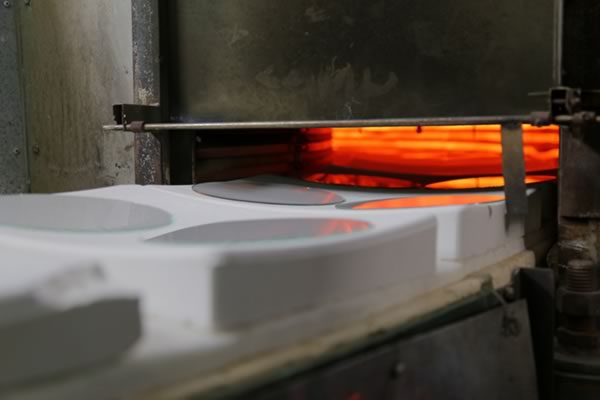
If you’ve ever spent a day watching perfectly good glassware shatter in an annealing oven, you know the frustration. It usually comes down to one thing: temperature gradients. If the heat hits too hard or doesn’t move fast enough, you get thermal shock. Then you’re just picking up shards. We’ve found that the best way to stop this is with shortwave infrared (IR) lamps. They let us tweak the power on the fly, which is a total lifesaver.
Why Speed Matters
Here’s the thing about IR lamps—they don’t linger. Unlike those old-school resistive elements that take forever to warm up or cool down, IR responds almost the second you change the voltage. By pairing these lamps with SCR power controllers, you can shift the heat flux in milliseconds. It’s a huge advantage. You can crank the heat to hit that annealing point instantly, then kill the power the moment the glass hits the critical zone. This stops that nightmare scenario where the outside of the glass is scorching but the core is still cold. That’s usually where the cracks start.
The Gear and the Trade-offs
We usually go with high-wattage halogen quartz tubes. The reason is simple: shortwave radiation actually sinks deeper into the glass. It relieves the internal stress without burning the surface. But you have to be smart about your setup. You can’t just throw wattage at the problem without looking at your conveyor speed. Sure, a high-density array gets things hot fast, but it’ll put a massive strain on your electrical panel. Plus, if you’re packing 2kW+ lamps into a tight space, you need serious cooling fans. If you skip the fans, the heat buildup will eat your wiring and sockets for breakfast.
Getting It Right on the Floor
Most of these lamps use R7s or Sk15 connectors, so swapping them out is a breeze. One quick tip: if your shop is humid, go with gold-plated contacts. It keeps oxidation from ruining your connection. And when you’re wiring everything up, pay close attention to your PID loop. Since IR lamps have very little thermal mass, they react fast. If your loop is too sluggish, you’ll overshoot your target temperature. And in this business, overshooting usually means shattering your workpiece.