Stop the Chipping: Why Infrared Preheating Actually Works
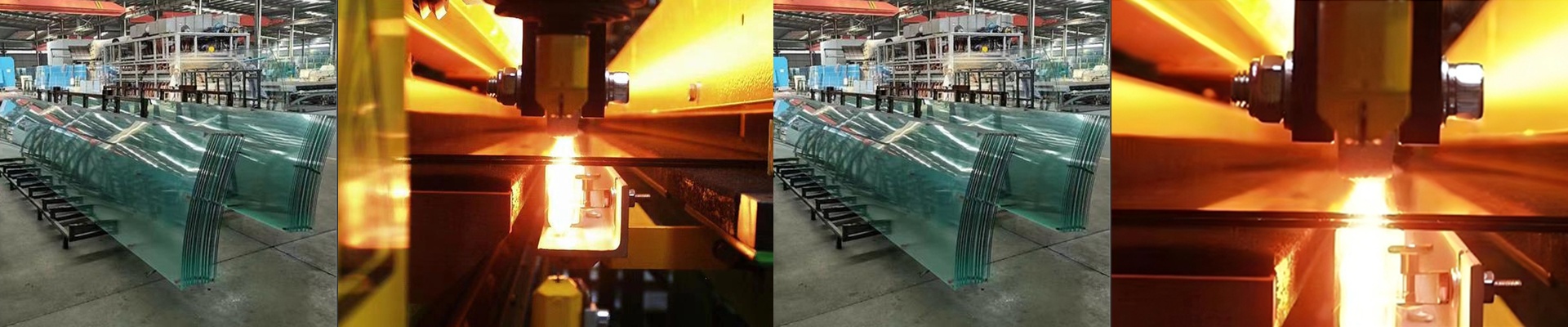
Anyone who’s spent time on a cutting line knows the frustration of cold glass. You score it, you break it, and then you see those jagged little chips along the edge. It’s a headache. The problem is that cold glass is basically a coiled spring of internal stress. When the cutting wheel hits the surface, it’s a mechanical shock. Sometimes the crack just decides to wander off the score line, and suddenly you’ve got a piece of scrap. Here is the fix: Infrared (IR) preheating. Instead of just hoping for a clean break, we use IR lamps to prep the glass before the blade ever touches it. The cool thing about infrared is that it doesn’t waste time heating up the air in the room. It dumps energy directly into the glass. This softens the surface layer just enough to let those internal stresses relax. It makes the glass feel less brittle and more “giving.” When you finally make your cut, the break stays exactly where it’s supposed to. But you can’t just crank the heat and walk away. There’s a bit of a balancing act here. If you go too heavy with the wattage, you’ll end up bowing the glass. Nobody wants a sheet that’s warped before it even leaves the line. You have to play with the conveyor speed and the lamp intensity until you find that sweet spot. Your sensors have to be dialed in perfectly—you want just enough heat to stop the chipping, but not so much that you ruin the flatness of the sheet. It takes a little bit of tweaking to get it right. But once you do? Your reject rates plummet. You stop fighting the material and start actually producing. It’s less about “adding heat” and more about just making the glass behave.