Getting the Balance Right: IR Drying and Glass Strength
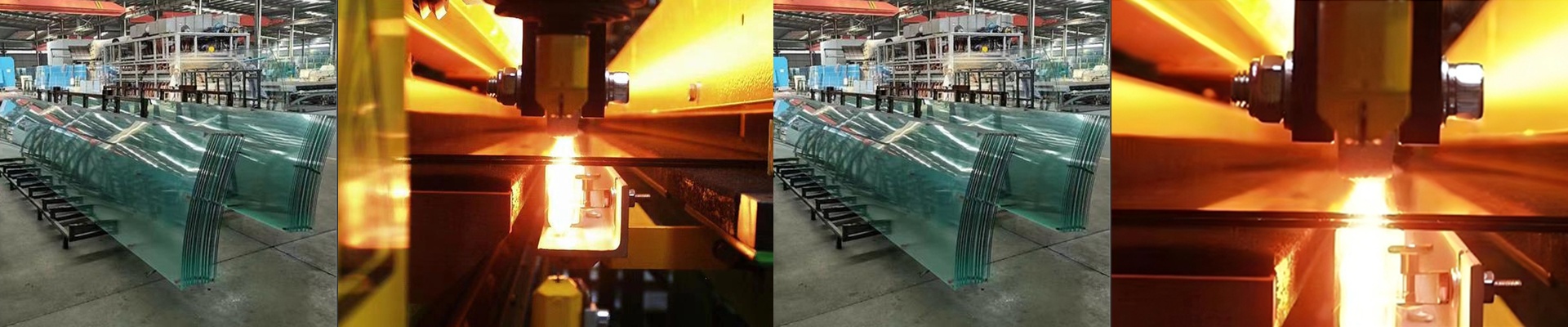
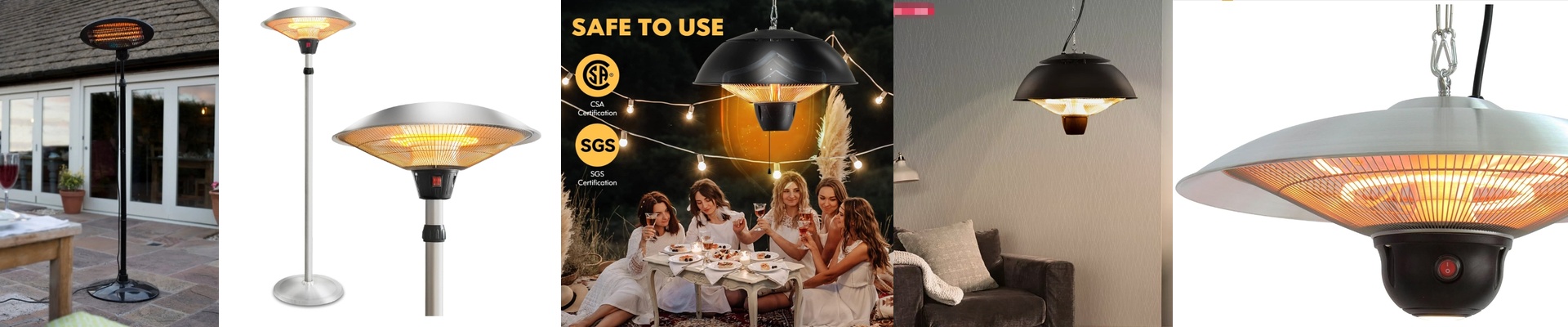
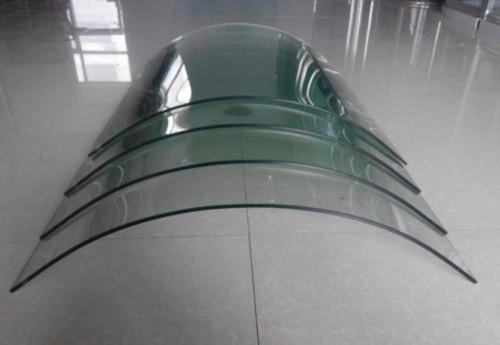
When you try to dry silk-screen ink right before the tempering process, you’re basically fighting a battle with physics. You need enough heat to flash-dry that ink, but if you overdo it, the pattern bleeds or the glass warps before it even hits the furnace. That’s why we use shortwave infrared (IR) lamps. Instead of just heating the air, they punch right through the ink layer and hit the glass surface directly. Keeping your lines sharp Nobody wants a blurry pattern. The secret is to avoid “heat soak”—that slow, creeping warmth that lets ink migrate or smudge. Shortwave IR is fast. Like, really fast. It locks the pigment in place almost instantly. But there’s a catch: if you crank the lamps too high or slow down the conveyor too much, you’ll start seeing bubbles or weird color shifts. It’s a balancing act between your lamp wattage and your belt speed. You want the surface cured, but you don’t want to bake the entire sheet of glass. The tempering struggle The real goal is to get the glass into the tempering Lehr without any drama. If your IR stage leaves the glass with “hot spots” or uneven temperatures, you’re going to see bowing or those annoying internal stress marks in the finished piece. We set up the IR arrays to create a uniform heat footprint. It just makes the transition smoother because the glass enters the tempering zone at a steady, predictable temperature. One thing to watch out for? Heat build-up. High-wattage arrays get hot—really hot. If your cooling fans aren’t up to the task, you’ll burn through your bulbs way faster than you should, or your thermal overrides will keep tripping and shutting everything down. How we actually set it up We usually run these lamps in zoned arrays. This is the best part because it lets you tweak the heat at the start and the end of the tunnel independently. By playing with the power in each zone, you can control how fast the solvents evaporate. This stops “skinning,” which is that frustrating problem where the top layer dries into a crust and traps wet ink underneath. It’s a much cleaner way to work.