Getting Your Glass Annealing Right (Without Stopping the Line)
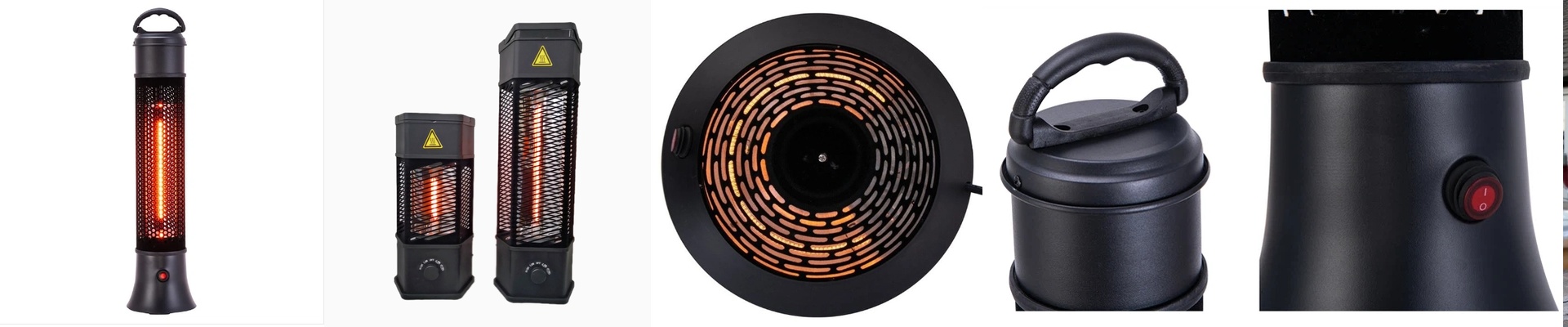
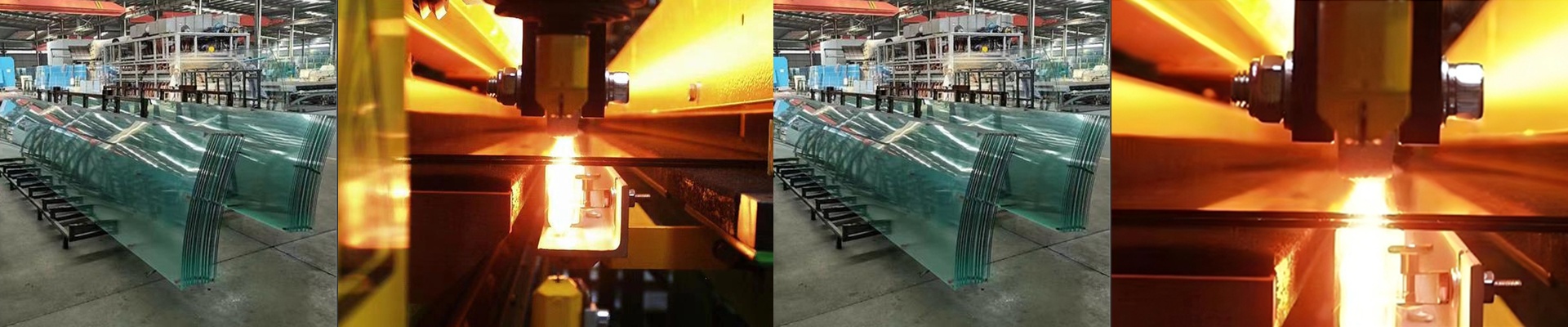
If you’re running a glass production line, you know the headache. You can’t just hit “pause” to put everything in a batch oven—that’s a productivity killer. You need a way to handle thermal stress while the glass is moving, and you need a system that keeps up with your line speed without breaking a sweat. That’s where shortwave infrared (SWIR) lamps come in. They don’t bother heating up the air around the glass; they just beam the energy straight into the material.
Why “Fast” Actually Matters
Old-school ovens are slow. They heat the air, and the air heats the glass. It’s a sluggish process that creates a massive lag. SWIR is different. It hits the glass surface and triggers an immediate vibration at the molecular level. It’s almost instant. When you crank up the power, the heat is there. Period. Because it happens so fast, you don’t need a massive, sprawling oven taking up half your factory floor. You can keep your annealing zone tight and efficient.
The Balancing Act: Distance and Heat
Here is the tricky part: you can’t just slap these lamps right against the glass. If they’re too close, you’ll get “hot spots”—those nasty little areas of intense heat that can crack your substrate. But if you push them too far back, you’re just wasting energy by heating up the walls of your machine. It’s all about finding that sweet spot. We look at your target temperature and the wattage of the lamps to find a gap that penetrates the glass without ruining it. Just keep in mind that high-wattage tubes put out a lot of raw heat, so make sure your housing and cooling fans are beefy enough to handle the reflection.
Making it Work in the Real World
For a continuous line, we usually go with modular lamp arrays. Why? Because tubes eventually burn out. When one goes, you just swap it out and keep moving. No drama. To keep things consistent, we use SCR controllers to manage the power cycles. This lets you sync the heat perfectly with your conveyor belt. Whether your line is crawling at 50% or screaming along at 100%, every single piece of glass follows the exact same heating curve. It just works.