
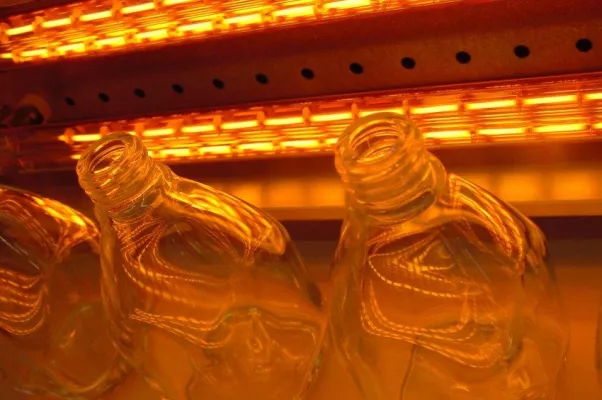
Why SWIR is the Secret to Continuous Glass Annealing
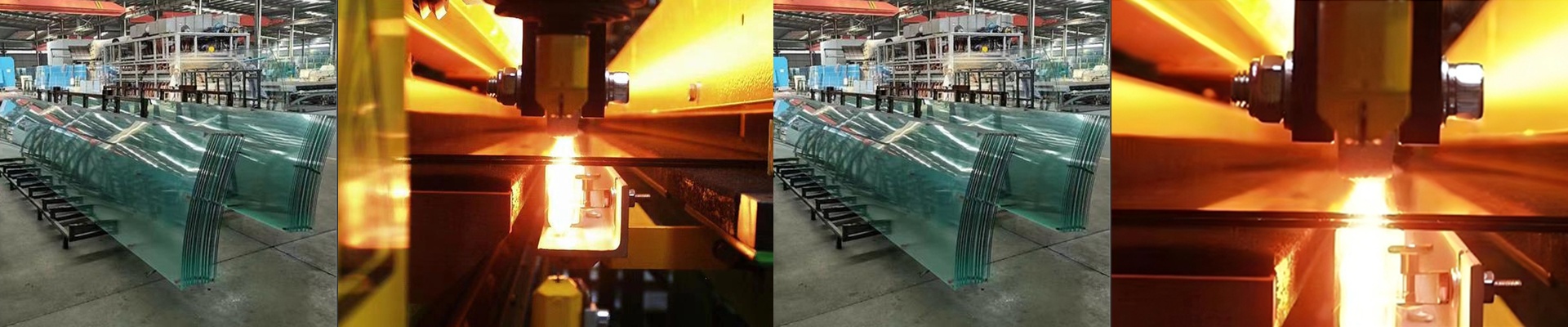
If you’re running a glass production line, you know the headache. You can’t just stop everything for batch annealing—that’s a throughput killer. That’s why we use short wave infrared (SWIR) tubes. They give you that instant heat you need for online processing. While those old long-wave heaters just push hot air around, SWIR actually sinks into the glass. It puts the energy exactly where it needs to be: inside the material. The beauty of a fast response These lamps hit their full temperature in milliseconds. Seriously. When you hook them up to a PID-controlled system, you get total control over your temperature zones. This is how you stop internal stresses from ruining your glass. And if you decide to crank up the line speed? The lamps keep up instantly. No waiting around for a heating element to finally get warm. The gear and the grit We build these tubes out of high-purity quartz because they have to survive brutal thermal shocks. Depending on how much room you have, we can push the wattage density high. This means you get a massive amount of heat from a tiny surface area, which keeps your oven footprint small. But here’s the catch: that kind of heat is hard on your reflectors. If your gold or aluminum reflectors get pitted or dirty, your efficiency tanks. You’ll start seeing uneven hot spots across your glass sheets, and that’s where the trouble starts. Making it work in your shop For most people, these tubes are just a simple swap for older, slower heating methods. They keep the glass flowing, and in some cases, you can ditch the separate annealing lehrs entirely. It frees up a ton of floor space. Just a heads-up on the power side of things. Running high-wattage SWIR arrays isn’t “light” work. You’ll need a beefy electrical setup to handle the initial surge. Also, don’t skimp on the cooling fans. If you’re running 24/7, you need to keep those lamp sockets cool, or they’ll burn out—and nobody wants to be swapping parts in the middle of a midnight shift.