
Stop Letting Moisture Kill Your Infrared Heaters
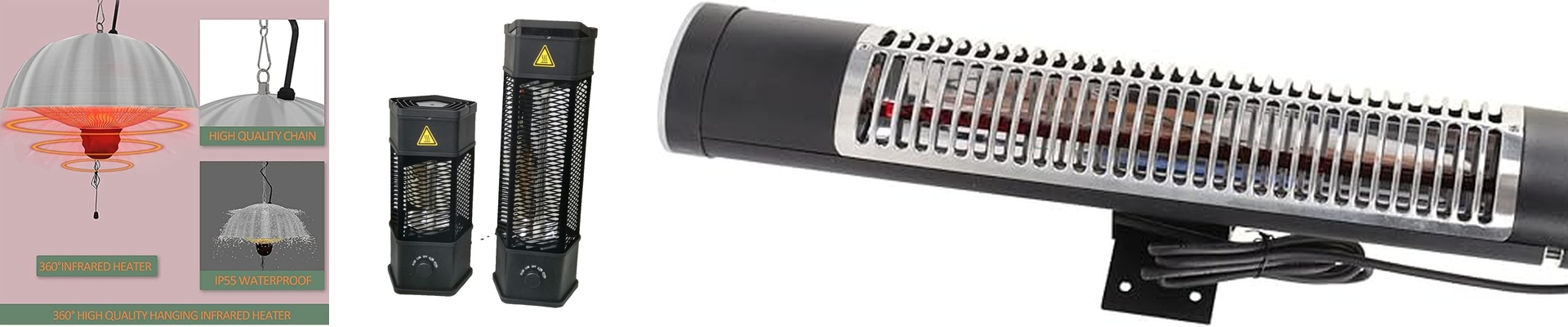
Ever notice how some infrared lamps just… die? Way before they actually should? Usually, it’s because of the environment. Condensation, dust, or random splashes get into the works, and boom—your heater is toast. We got tired of seeing that happen, so we started building our replacement elements to an IP65 standard. Basically, we’re stopping the failure before it even has a chance to start.
What IP65 actually does for you
In a real factory, “moisture” isn’t just a little bit of water. It’s a nasty cocktail of coolant, oil, and humidity. When that stuff hits a scorching hot quartz tube, it causes thermal shock. Or worse, it leaks into the terminals and creates a short circuit. It usually happens at the worst times—like during a facility wash-down or right in the middle of a shift change. To fix this, we seal the connection points and the housing tight. It keeps the liquids out of the live electrical contacts.No leaks, no shorts, no sudden shutdowns.
The nitty-gritty on the design
We use reinforced seals and specialized gaskets around the lamp mounts. This keeps moisture from creeping into the internal wiring. The best part? It’s a drop-in replacement. You don’t have to build some giant, clunky external box around your heater just to keep it dry. But here’s a heads-up: when you seal something this tight, heat doesn’t escape the base as easily. You’ll want to make sure your airflow is dialed in. If you seal it up but don’t have enough ventilation, you’re just trading a moisture problem for a heat problem. Keep the air moving, and you’re golden.
Why this matters on the floor
When you switch to an IP65-rated element, your maintenance schedule actually becomes… predictable. You can stop worrying about a leaky overhead pipe or a humid afternoon killing your production line. Instead of replacing lamps every few months because of a splash, you only replace them when the filament naturally wears out. For the engineers, that means way less unplanned downtime and a lot fewer emergency calls. It just works.