Stop Fiddling With Tubes: Why Modular Infrared Just Makes Sense
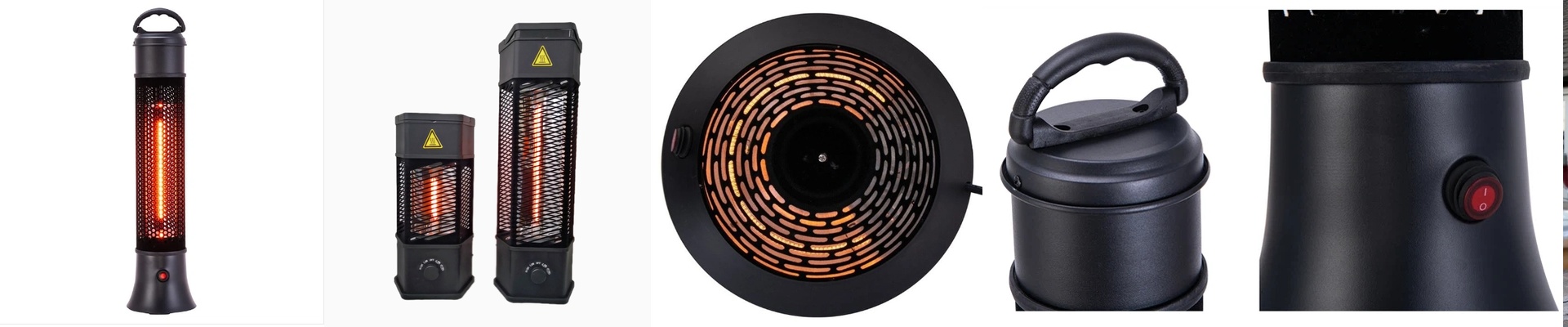
Buying a single infrared lamp is the easy part. Anyone can do that. But try fitting ten of them into a curved array without frying your wiring or spending an entire weekend fighting with manual alignment? That’s where things get messy. We’ve seen it happen too many times—hours wasted on a shop floor just trying to get things to line up. That’s why we stopped just selling parts and started building turnkey modules. We want to get that installation headache off your plate entirely.
Moving From Parts to Systems
Think about it this way: a standalone lamp is just a piece of glass and wire. A module is a tool that actually works the moment you plug it in. When we put these arrays together, we do the heavy lifting. We handle the bending and the mounting of those quartz tubes. Why? Because those things are fragile. The last thing you want is the sound of a tube snapping while your team is trying to hit a deadline. We also build the wiring and connectors right into the frame. No more spending days crimping terminals or chasing weird ground loops. You just drop it into your machine, and it fits. Simple.
The Trade-off With High Heat
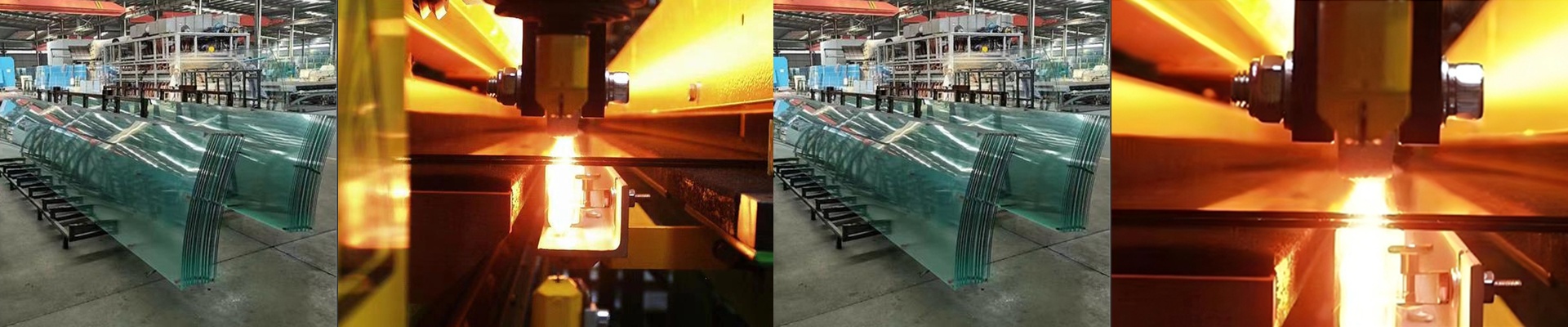
Now, here is the thing about high-wattage lamps. They are great for precision annealing because they ramp up the heat incredibly fast. But there’s a catch. That kind of heat density puts a massive strain on your power supply. It also turns the area around the module into an oven. If you go for a high-power setup, you’ve got to make sure your cooling fans and vents are actually up to the task. Otherwise, you’re looking at melted connectors, and that’s a disaster nobody wants.
Saving Your Sanity (and Your Budget)
Building these heaters by hand is slow. Really slow. You have to be obsessive about the spacing, or you end up with hot spots that ruin your workpiece. By using a pre-assembled, curved module, you just delete that human error from the equation. You stop paying your best technicians to fiddle with lamp positions and “eye-ball” the alignment. Instead, you wire it up and start your thermal cycle. It’s faster, it’s cleaner, and the heat distribution actually matches your drawings every single time.