Getting Glass Annealing Right with IR Control
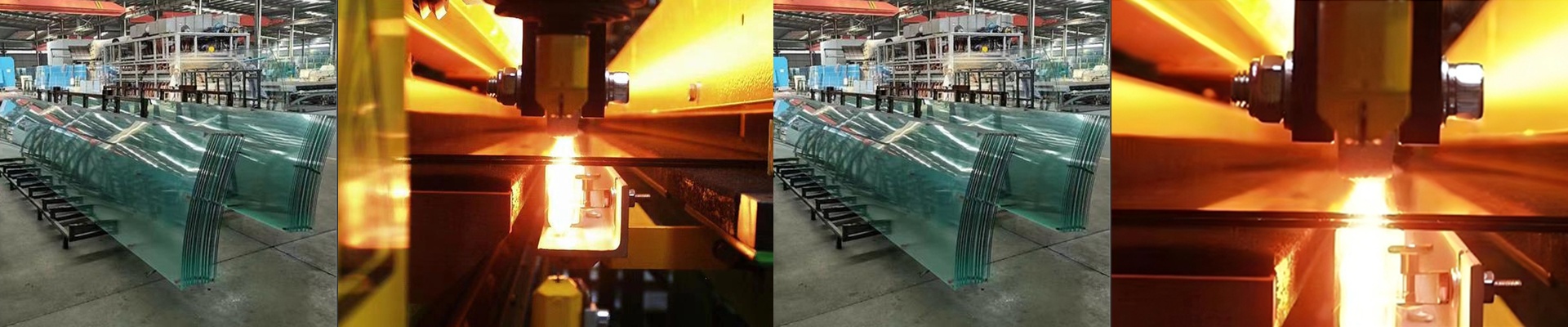
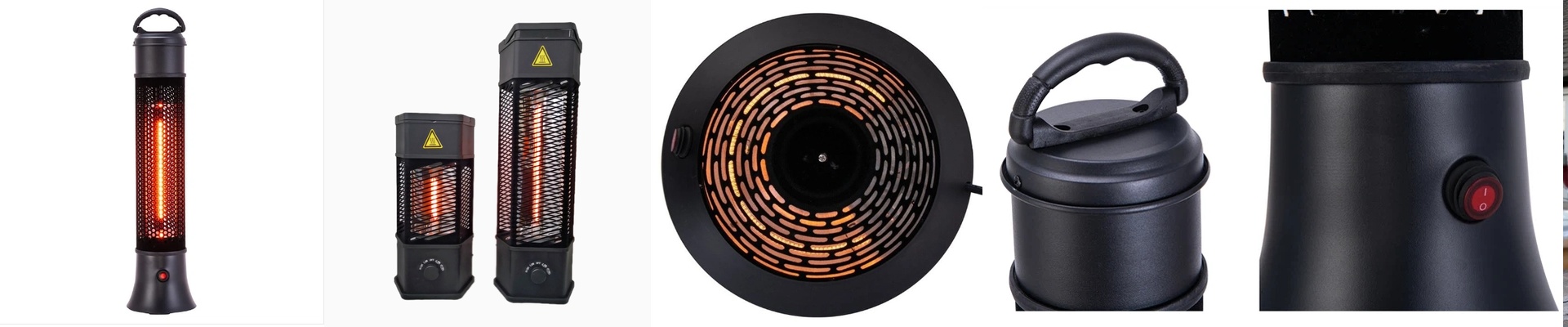
If you’ve ever had a piece of lab glassware shatter for no apparent reason, you know how frustrating it is. Usually, it’s because of internal stress. Heat it too fast or cool it down unevenly, and the glass just gives up. That’s why we use infrared (IR) elements. We aim for a tiny 0.1°C temperature tolerance. It sounds obsessive, but when you’re trying to keep glass right in that annealing sweet spot, every fraction of a degree counts. Why obsess over 0.1°C? Here’s the thing: glass has a very narrow window between softening and the point where it starts to hold strain. If your heater swings by even a few degrees, you’re basically baking new stresses right into the material. We pair fast-response IR elements with high-res PID controllers to hit that 0.1°C mark. It stops that “thermal shock” from happening, which means your pieces won’t randomly crack while they’re cooling down. IR vs. The Old-School Oven Standard convection ovens just move air around. The problem is, air is a terrible conductor. IR is different. It uses radiation to hit the glass surface directly. This lets us target specific parts of a vessel rather than just heating the whole room. We use short-wave IR because it digs deep into thick-walled flasks and gets the temperature up much faster. The Catch It’s not all plug-and-play. High-precision IR setups are picky about power. If your factory grid has voltage ripples, your temperature will jump around, and that 0.1°C accuracy goes right out the window. To stop that, you’ll want a dedicated voltage stabilizer or a high-end SSR (Solid State Relay). You need the power delivery to be flat and steady. The Result When you hold a steady soak at the annealing temperature and control the cool-down carefully, the molecular tension just disappears. It makes the glassware actually safe for high-pressure reactions or vacuum work. You end up with a beautiful, high-gloss finish and—more importantly—the peace of mind that your gear isn’t going to explode in the middle of the lab.