Stop Dealing With Cold Spots in Your Glass Tempering Tunnels
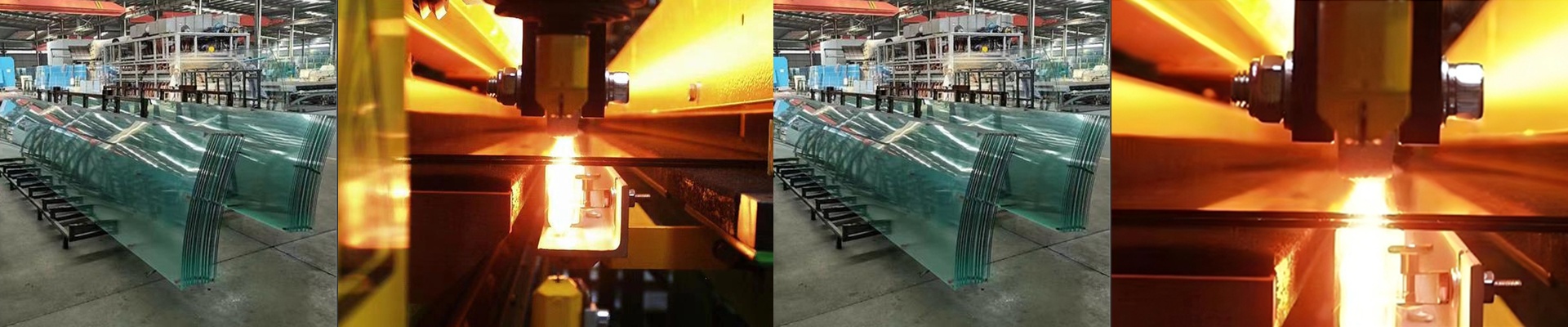
Most infrared lamps stop at about a meter. That’s fine for small jobs, but when you’re running a massive tempering tunnel, it becomes a headache. You end up stitching together dozens of small lamps, and that’s where the trouble starts. You get these annoying “cold spots” at every single joint. We figured out a better way: custom continuous heating units that push past 2 meters. The trick to getting the heat right You can’t just stretch a filament and call it a day. If you do, the electrical load goes haywire. If the wattage is too low, your glass just sits there, taking forever to hit tempering temp. But push it too hard? You’ll actually bow the quartz tube. It’s a balancing act. We spend our time tweaking the voltage and ohms so the heat stays flat and steady from one end of the tube to the other. No spikes, no dips. Quartz and the “sag” factor We use high-purity quartz because it can handle the shock of rapid heating and cooling without cracking. The real challenge, though, is the layout. By using a continuous setup, we kill off those gaps you find in modular systems. Your glass gets a steady, unbroken stream of shortwave radiation. One quick tip: make sure your support brackets are spaced just right. When these tubes get up to operating temperature, they get soft. If the supports are too far apart, the tubes will start to sag under their own weight. A few things to watch out for Wiring these long units isn’t a “plug and play” situation. You need heavy-duty leads. If you don’t, you’ll deal with a voltage drop at the far end, and your heat will taper off. Also, remember that these things put out a staggering amount of energy. If you’re dropping these into an old kiln, check your cooling system first. If your exhaust fans can’t keep up with the heat density, you’re going to fry your control electronics. Whether you need a custom build for a new footprint or just a drop-in replacement to fix a failing line, we’ve got you covered.